
Understanding the Energy Needs of Busy Professionals
How Work Demands Impact Your Nutrition
Busy professionals often face high workloads, tight deadlines, and long hours, which can significantly affect their nutritional habits. When the demands of work intensify, meal times become irregular, and food choices tend to shift towards convenience rather than quality. This erratic eating pattern can lead to fluctuating energy levels, making it challenging to stay productive throughout the day.
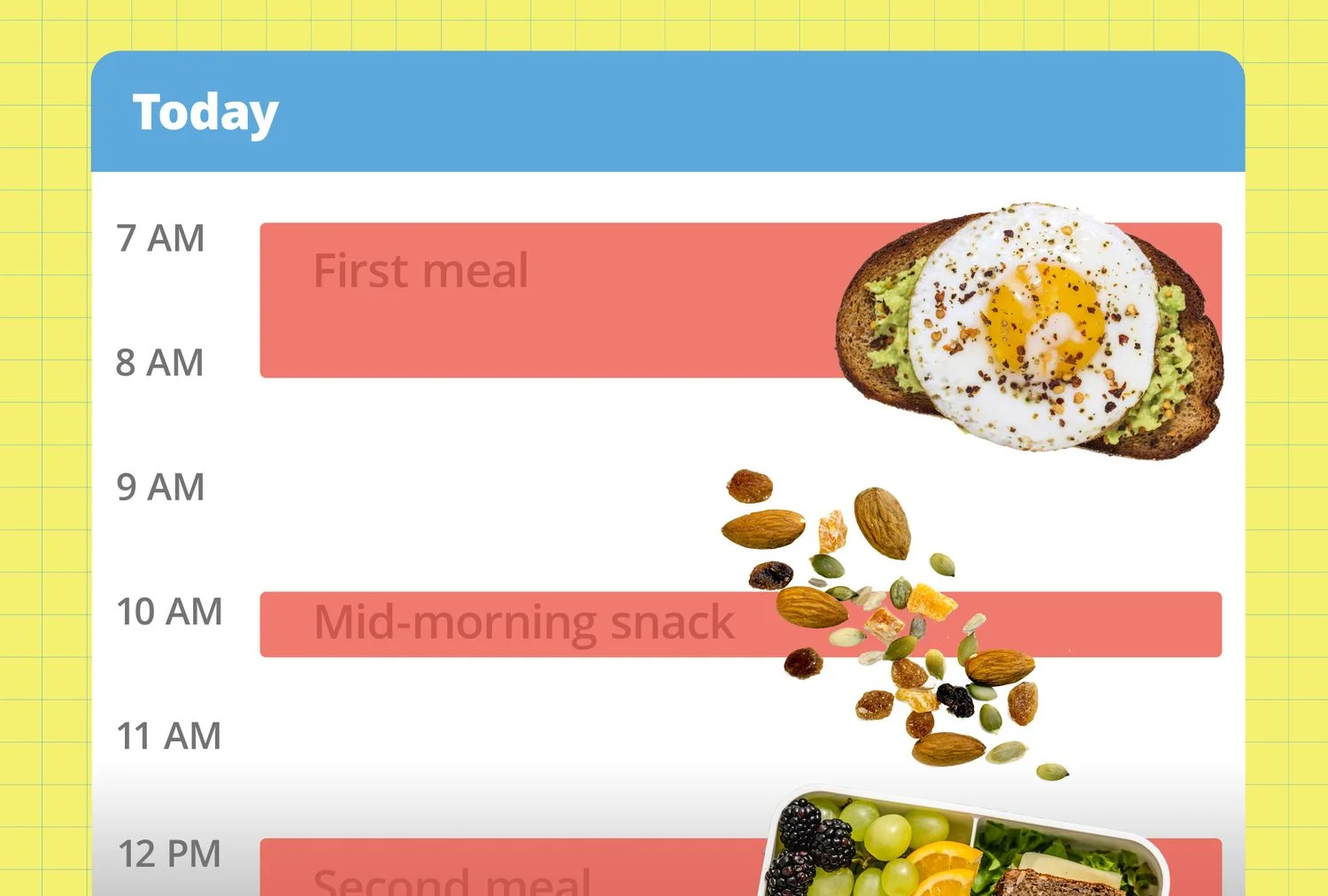
Stress and extended screen time also influence appetite and digestion, often reducing the body’s efficiency in extracting energy from foods consumed. Without deliberate planning, a professional’s diet may lack essential nutrients that support sustained focus and vitality.
Common Energy Drains to Watch Out For
There are multiple factors beyond workload that can sap energy, including poor sleep, dehydration, and insufficient nutrient intake. Many individuals unknowingly rely on quick fixes like caffeine or sugary snacks that provide temporary boosts but ultimately cause energy crashes. Additionally, skipping meals due to lack of time leads to low blood sugar levels, resulting in fatigue, irritability, and difficulty concentrating.
Understanding these pitfalls is crucial for developing a meal plan that keeps energy steady throughout the day.
Strategic Meal Planning for Sustained Energy
Choosing the Right Macronutrients
One of the main causes of energy dips is an unbalanced intake of macronutrients—carbohydrates, proteins, and fats. Many busy professionals consume high amounts of simple carbohydrates, like white bread or sugary snacks, which digest quickly and cause rapid energy spikes followed by crashes. Incorporating complex carbohydrates such as whole grains and legumes provides a more gradual release of energy.
Protein plays a vital role in maintaining muscle repair and keeping hunger at bay between meals. Healthy fats, found in avocados, nuts, and olive oil, support brain function and prolong feelings of fullness. A meal plan rich in these macronutrients in appropriate proportions helps maintain consistent energy levels.
The Role of Micronutrients in Daily Performance
Micronutrients like vitamins and minerals are often overlooked, yet they are essential for energy metabolism and cognitive function. Deficiencies in iron, vitamin B12, magnesium, and vitamin D can lead to fatigue and decreased mental alertness. Busy professionals may fail to consume enough fruits, vegetables, and whole foods, which are primary sources of these nutrients, due to convenience or time constraints.
Integrating a variety of colorful produce and fortified foods into meals can prevent these shortages, improving overall energy and ensuring better performance at work.
Quick and Nutritious Meal Prep Ideas
Breakfast Options to Kickstart Your Day
Lack of time in the morning often leads to skipping breakfast or opting for sugary cereals and pastries. These choices provide a quick burst of energy but fail to sustain it. Preparing overnight oats with nuts and fresh fruit or blending a protein-packed smoothie the night before can provide a balanced start. Including protein and fiber in breakfast stabilizes blood sugar and enhances focus for the morning ahead.
Power-Packed Lunches for the Office
Midday energy slumps can often be traced back to lunches lacking substance or nutrition. Instead of grabbing fast food, preparing simple meals like quinoa salads with mixed vegetables and lean protein, or whole grain wraps filled with hummus and grilled chicken, can offer lasting energy. These meals avoid heavy fats that cause sluggishness, yet deliver necessary nutrients for sustained productivity.
Easy Dinners to Replenish Your Energy
After a busy day, energy for cooking may be low, leading to reliance on processed or takeout meals that lack nutritional balance. Simple dinners like baked salmon with steamed vegetables or stir-fried tofu with brown rice can restore nutrient levels without requiring extensive preparation. Making meals in batches during less busy times can ease the evening routine and ensure nutrient-rich options are always available.
Smart Snacking That Supports Focus and Vitality
Best Snacks to Avoid Energy Slumps
Frequent small meals or snacks help maintain energy, but grabbing the wrong kinds can cause crashes. Highly processed snacks with sugars or refined carbs should be replaced by options like nuts, Greek yogurt, and fresh fruit. These choices provide protein, healthy fats, and fiber to sustain blood sugar levels between meals.
Snacking thoughtfully can prevent hunger-induced distractions and support consistent mental clarity throughout demanding workdays.
Hydration and Its Effect on Energy Levels
How Much Water Do You Really Need?
Dehydration is a common yet often overlooked cause of fatigue. Busy schedules might lead to neglecting water intake, resulting in reduced concentration and lethargy. While individual needs vary based on activity levels and climate, aiming for about 8 cups of water daily is a practical starting point for most professionals.
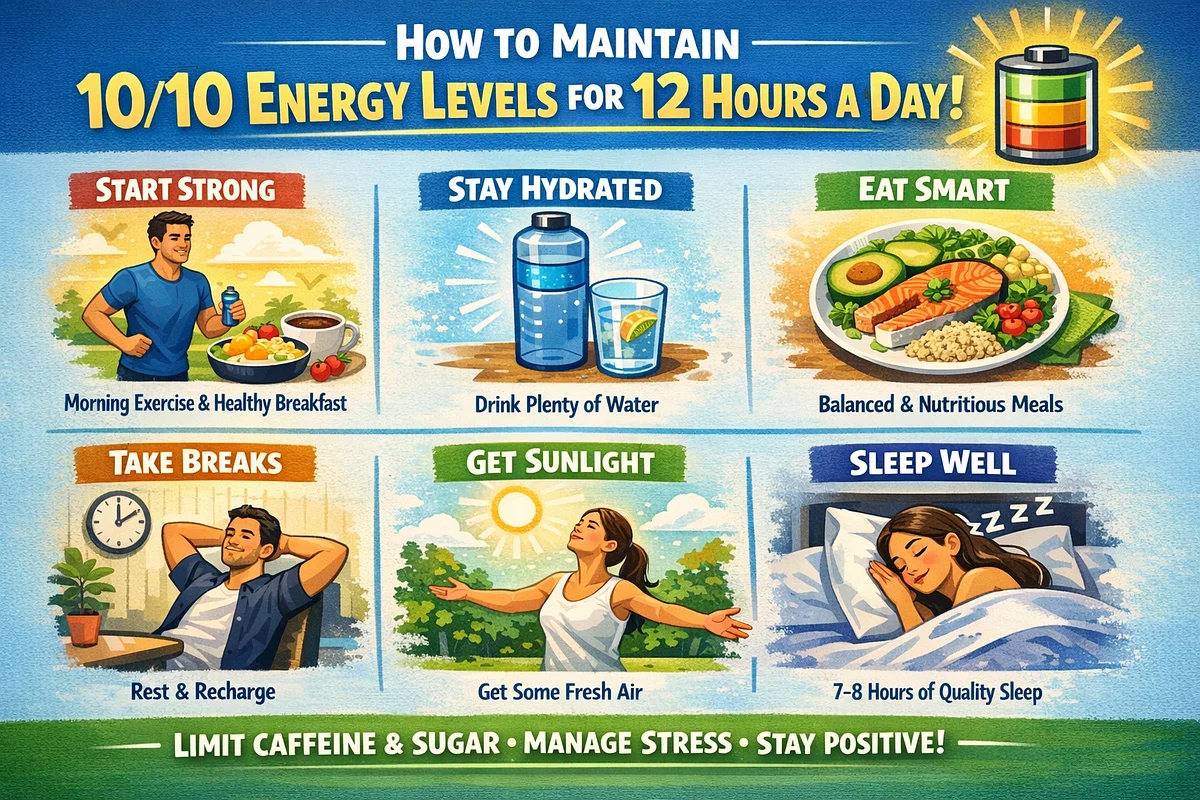
Regular hydration ensures that bodily functions, including nutrient transport and temperature regulation, operate efficiently, directly impacting energy status.
Alternatives to Plain Water for Busy Days
Plain water isn’t always appealing, which can lead to insufficient intake. Herbal teas, infused water with slices of citrus or cucumber, and naturally flavored sparkling water offer hydration with variety. Avoid sugary beverages that cause energy spikes and dips, opting instead for options that refresh without excessive calories or sugars.
Incorporating Meal Planning into a Busy Lifestyle
Time-Saving Tips for Weekly Prep
Finding time to plan meals may seem overwhelming, but dedicating a small portion of time weekly to batch-cooking and organizing ingredients pays off in energy and productivity gains. Preparing staple components like grains and proteins in advance, and chopping vegetables for quick assembly, reduces daily cooking time and temptation to choose less nutritious alternatives.
Keeping meals simple and reusable minimizes decision fatigue, making it easier to stick with healthy eating habits consistently.
Using Technology to Stay on Track
Meal planning apps and digital reminders can help busy professionals maintain focus on their nutritional goals. These tools provide recipe ideas, grocery lists, and even track nutrient intake, enabling better choices aligned with energy needs. Incorporating technology eliminates some of the unpredictability in eating habits by promoting structure and accountability.
Adjusting Meal Plans Based on Energy Feedback
Listening to Your Body’s Signals
One common mistake is ignoring how different foods affect your energy. Some meals may cause sluggishness or digestive discomfort, signaling the need for adjustments. Paying attention to hunger cues, alertness after eating, and overall stamina can guide modifications in portion sizes, meal timing, and nutrient selection to optimize energy throughout the day.
When to Reassess Your Eating Habits
If persistent fatigue or brain fog occurs despite apparent healthy eating, it’s important to reconsider your meal plan. Changes in work demands, physical activity, or health status may necessitate updates in nutritional strategies. Consulting with a healthcare professional or dietitian can provide targeted advice to refine your approach and sustain high energy levels.


