
Understanding the Basics of Budget-Friendly Meal Planning
Defining Nutrient-Dense Foods and Their Importance
When it comes to meal planning on a budget, focusing on nutrient-dense foods is key. Nutrient-dense foods provide a high amount of vitamins, minerals, and other essential nutrients relative to their calorie content. Think of foods like leafy greens, beans, whole grains, and lean proteins. Including these foods in your meals helps ensure you’re getting the necessary nourishment without overspending. Prioritizing nutrient density is crucial because it means you’re fueling your body with quality ingredients, which supports overall health and well-being, even if you’re eating on a tight budget.
Setting Realistic Budget Goals for Weekly Meals
Before diving into meal planning, it’s important to set a clear and realistic budget. This helps guide your grocery shopping and recipe choices, preventing overspending or frequent impulse buys. Start by reviewing your weekly income and other expenses to determine a comfortable amount you can allocate to food. Keep in mind that budget-friendly doesn’t mean cutting corners on nutrition—it means making smart choices that maximize value. Setting a reasonable dollar limit per meal or per grocery trip gives you a solid framework to work within and helps maintain consistency over time.
Strategic Grocery Shopping to Maximize Nutrition and Savings
Creating a Smart Shopping List Based on Nutritional Needs
Crafting a shopping list tailored to your nutritional goals is a game changer. Begin by reviewing your planned meals for the week and noting the core ingredients you’ll need. Focus on staples like grains, legumes, and fresh or frozen vegetables. This not only supports balanced nutrition but prevents unnecessary purchases that inflate your grocery bill. Having a list also reduces the temptation to buy items on a whim. The best lists combine practical nutrition with flexibility to accommodate sales or seasonal finds.
Leveraging Discounts, Coupons, and Bulk Buying
One of the secrets to staying within budget is learning how to take advantage of store discounts, coupons, and bulk buying opportunities. Many grocery stores offer weekly specials on staple items, which can significantly lower your overall cost. Using manufacturer or store coupons can add extra savings when you align them with meal plans. Bulk buying is especially helpful for non-perishable goods or ingredients you use frequently, such as rice, oats, or beans. Just be mindful to buy only what you can store properly and use before it expires.
Seasonal and Local Produce: Benefits for Budget and Health
Incorporating seasonal and local produce into your meals not only offers fresher, tastier options but is also kinder to your budget. These fruits and vegetables tend to be less expensive because they don’t require long-distance transportation or extensive storage. Besides cost savings, seasonal produce often boasts higher nutrient levels, as it’s consumed closer to harvest time. Visiting farmers’ markets or joining a community-supported agriculture (CSA) program can be both economical and a wonderful way to support local growers.
Step-by-Step Guide to Weekly Meal Planning
Assessing Your Weekly Schedule and Time Commitment
Before planning your meals, take a moment to evaluate your upcoming week. Consider how much time you realistically have for cooking, grocery shopping, and meal prep. Some weeks may allow for more elaborate dishes while others might require quick, simple options. Understanding your schedule lets you choose meals that fit your lifestyle, which encourages consistency and reduces food waste caused by rushed or forgotten meals.
Mixing Cost-Effective Staples with High-Nutrient Ingredients
A well-constructed meal plan balances inexpensive staples like rice, pasta, beans, and frozen vegetables with a few higher-cost nutrient-rich ingredients such as nuts, seeds, or lean meats. This approach stretches your budget while still providing a variety of essential nutrients. Combining these ingredients creatively ensures your meals remain satisfying and healthful. For example, a hearty bean chili can be enhanced with fresh greens or a sprinkle of cheese, making it both affordable and nutrient-packed.
Batch Cooking and Meal Prepping for Nutrient Retention
Batch cooking is a fantastic strategy for busy weeks. Preparing large portions of meals like soups, stews, or casseroles saves both time and money. Freezing individual portions means you can enjoy homemade meals without daily cooking. When doing this, it’s important to use proper storage methods to preserve nutrient content. Opting for airtight containers and avoiding overcooking during the initial prep helps keep meals tasty and nourishing throughout the week.
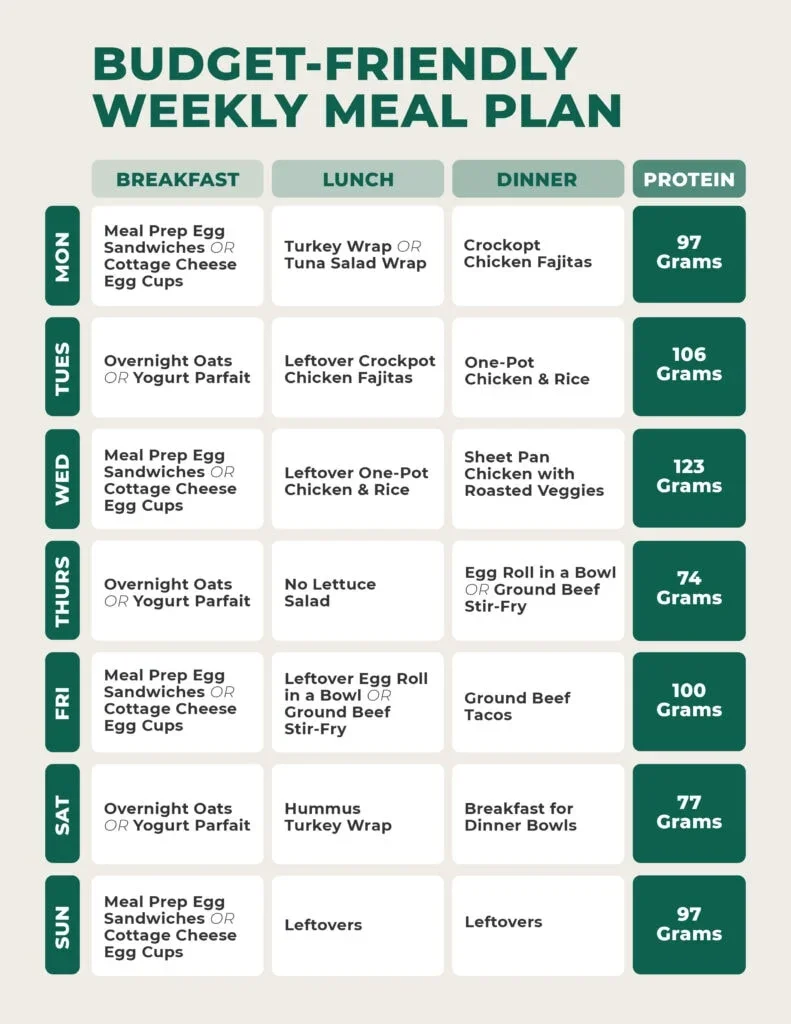
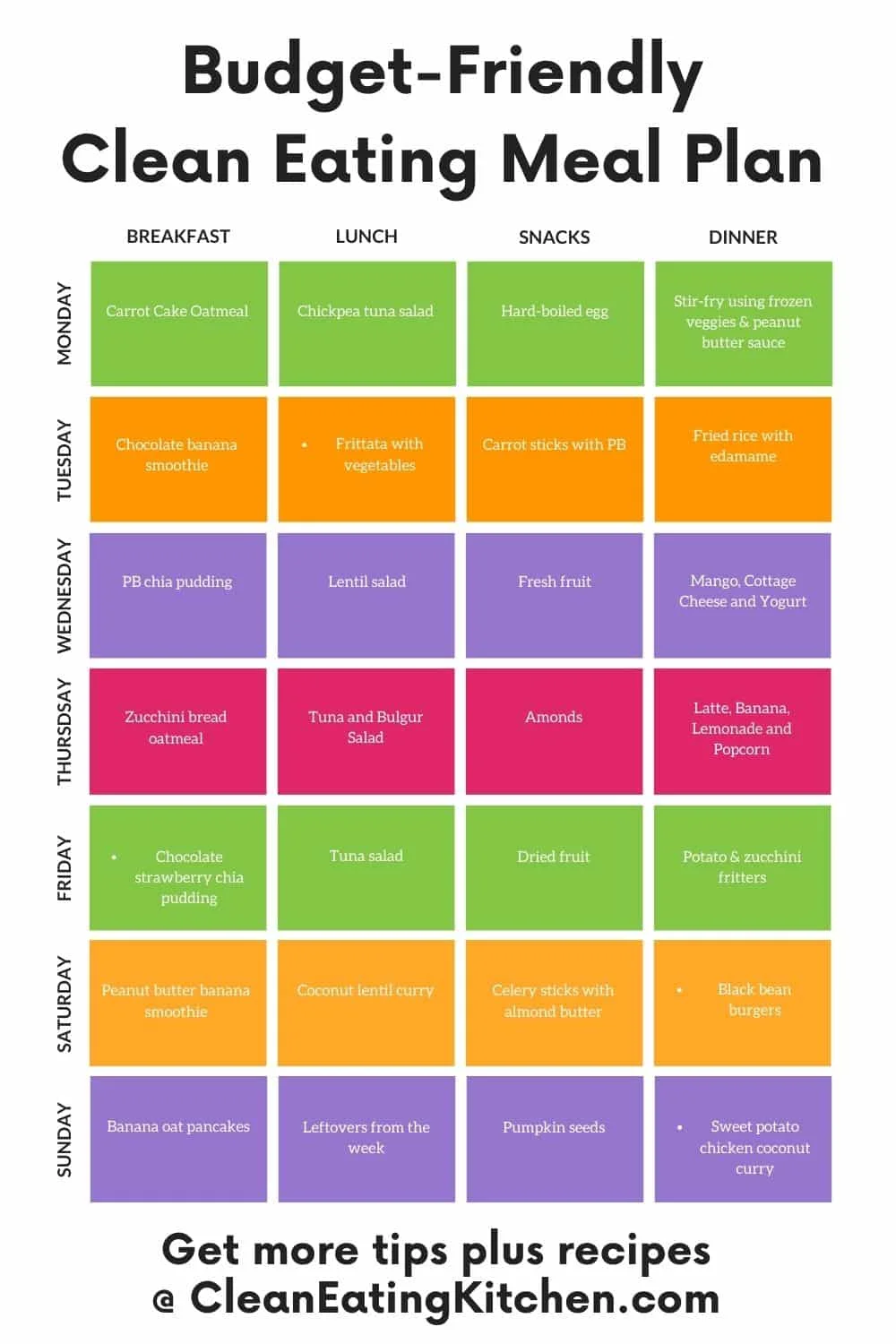
Sample Budget-Friendly Weekly Meal Plan
Breakfast Ideas That Are Nutritious and Affordable
Starting your day with an affordable and nutrient-rich breakfast sets the tone for healthy eating. Options like oatmeal topped with seasonal fruit, yogurt mixed with homemade granola, or scrambled eggs with sautéed spinach offer a good balance of protein, fiber, and vitamins. These breakfasts are versatile and easy to prepare ahead of time, helping you save both money and effort.
Lunch and Dinner Recipes Focused on Balanced Nutrition
For lunch and dinner, think about meals that combine whole grains, vegetables, and protein sources creatively. Lentil soups, stir-fries using frozen vegetables and tofu, or roasted chicken with roasted root vegetables and quinoa are all budget-wise choices. They deliver a satisfying balance of macronutrients while minimizing expensive ingredients. Rotating similar base ingredients with different spices or sauces keeps your meals interesting without inflating your spending.
Snacks and Beverages to Enhance Nutrient Intake
Snacks are an excellent opportunity to boost your nutrient intake without breaking the bank. Fresh fruit, carrot sticks with hummus, or a handful of nuts make for simple, wholesome options. When it comes to beverages, water is always the best choice, but you can also enjoy affordable herbal teas or homemade fruit-infused water for variety without added sugars or costs.
Tips to Avoid Common Pitfalls in Budget Meal Planning
Preventing Food Waste Through Proper Storage and Usage
One of the biggest challenges in budget meal planning is food waste. Properly storing your ingredients can extend their shelf life significantly. For example, keeping leafy greens in airtight containers with a paper towel helps absorb moisture and prevent wilting. Planning your meals to use perishable items early in the week before staples ensures nothing goes to waste. Leftovers can be cleverly repurposed into new dishes, saving money and time.
Adjusting Portions Without Compromising Nutritional Value
Portion control can help stretch meals further, but it’s important not to sacrifice nutrition. Instead of simply shrinking portions, focus on filling plates with low-calorie, nutrient-rich foods like vegetables and salad greens. This keeps meals satisfying and balanced. If you need to reduce portions, consider supplementing with small snacks between meals to maintain energy levels. Being mindful of portions helps you avoid overeating while making your budget go further.


