
Understanding Carbohydrates: The Basics
What Are Carbohydrates?
Carbohydrates are one of the main macronutrients that provide energy to the body. When people hear “carbs,” they often think of bread, pasta, or sugary treats. However, carbohydrates encompass a wide range of foods including vegetables, fruits, and grains. Essentially, carbs are molecules made up of carbon, hydrogen, and oxygen that the body breaks down into glucose to fuel various activities. Without carbs, your body would struggle to perform even basic functions like thinking or moving.
Types of Carbohydrates: Simple vs Complex
Not all carbohydrates are created equal. Simple carbs, such as those found in candy and soda, are composed of one or two sugar molecules and are quickly absorbed into the bloodstream. This rapid absorption can cause a quick spike in energy, followed by a crash. On the other hand, complex carbohydrates, found in foods like oats, beans, and whole grains, consist of longer chains of sugar molecules. These take more time to digest, providing a steadier release of energy, which is crucial for maintaining focus and endurance throughout the day.
Energy Production: How Carbs Fuel the Body
Biochemical Pathways of Carb Metabolism

Your body converts carbohydrates into glucose through a process called digestion. Once glucose enters the bloodstream, it can be used immediately for energy or stored in the liver and muscles as glycogen for later use. Cellular respiration, primarily through glycolysis and the Krebs cycle, breaks down glucose to produce adenosine triphosphate (ATP)—the energy currency of the cell. This complex chain of biochemical reactions ensures your bodily functions are powered continuously, whether you’re running a marathon or simply reading a book.
The Role of Glucose in Energy Generation
Glucose is the essential sugar derived from dietary carbs that fuels almost every cell in your body. For example, your brain relies heavily on glucose because it cannot store energy and requires a constant supply to operate efficiently. When you skip meals or cut carbs drastically, the brain’s energy supply falters, leading to fogginess and fatigue. This is why balanced carb intake is critical not only for physical activity but for mental sharpness too.
Common Myths About Carbs and Their Impact on Energy
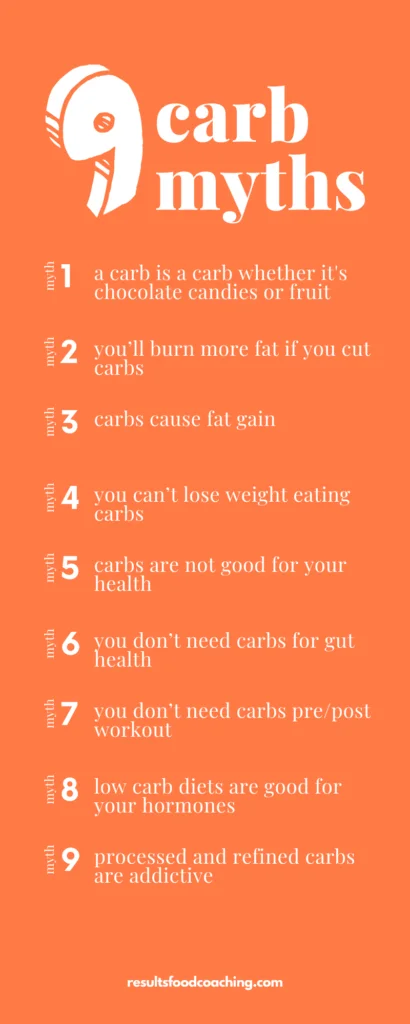
Myth 1: Carbs Cause Energy Crashes
One of the most pervasive beliefs is that consuming carbohydrates inevitably leads to a sudden energy drop. While simple carbs can contribute to quick energy spikes followed by crashes, this is not true for all carbohydrates. Complex carbs provide a much steadier release of glucose into the bloodstream. For instance, a morning oatmeal breakfast can keep your energy levels consistent throughout the morning, preventing the mid-morning slump that often comes from sugary cereals.
Myth 2: Low-Carb is the Only Way to Maintain Energy
The rise of low-carb diets has led many to assume carbs are the enemy of sustained energy. However, many athletes and active people rely on carbohydrates to power their workouts and daily lives. For example, marathon runners “carb load” before races to maximize glycogen stores and prolong endurance. Completely cutting carbohydrates can actually leave you feeling lethargic, as your body lacks its fastest and most efficient energy source.
Myth 3: All Carbs Are Created Equal
Not all carbohydrates impact energy levels the same way. Processed carbs, like white bread and pastries, often contain fewer nutrients and fiber, leading to faster absorption and potential energy crashes. Conversely, whole food carbs such as sweet potatoes, quinoa, and lentils release glucose gradually while also providing vitamins and minerals that help optimize metabolic processes. Understanding this difference can change how you feel throughout your day.
Scientific Evidence: What Research Really Says
Studies Supporting Carbohydrate Benefits
Scientific studies consistently show that carbohydrates are vital for maintaining energy and overall health. Research published in sports nutrition journals highlights how athletes who maintain adequate carb intake experience improved performance and faster recovery. Studies also demonstrate that balanced carbohydrate consumption supports cognitive function, particularly in demanding mental tasks. These findings counter the notion that carbs inherently sap energy.
Examining Carb Intake and Athletic Performance
A good example is the experience of professional cyclists preparing for long tours. They strategically consume carbohydrates to fuel intense training sessions and races. Without sufficient carbs, these athletes quickly hit the proverbial “wall”—a state of exhaustion caused by depleted glycogen stores. This real-world evidence supports the importance of carbs in sustaining prolonged physical effort.
Optimizing Carb Intake for Sustained Energy
How to Choose the Right Types of Carbs
Choosing the right carbohydrates involves focusing on whole, minimally processed options. Foods rich in fiber, such as brown rice, vegetables, and legumes, slow digestion and help maintain even energy levels. For example, swapping white bread for whole grain bread in a sandwich can extend feelings of fullness and energy throughout a busy afternoon.
Balancing Carbs with Proteins and Fats
To avoid energy crashes, it’s beneficial to balance carbohydrates with proteins and healthy fats. This combination slows digestion further and provides a more sustained energy release. Imagine having a snack of apple slices with almond butter—the carbs from the apple give quick energy, while the fat and protein from the almond butter make sure you don’t crash an hour later.
Timing Carb Consumption for Maximum Energy
Timing is another key factor. Eating complex carbs before physical activity can enhance endurance, while consuming carbs after exercise helps replenish glycogen stores. Many people report feeling sluggish late in the day if they haven’t had enough carbs earlier. A practical example could be prioritizing a carb-rich lunch like a quinoa salad when you have an active afternoon ahead.
Practical Tips for Everyday Nutrition
Meal Planning Strategies with Carbs
Incorporate carbohydrates deliberately throughout your meals. Starting your day with a balanced breakfast such as whole grain toast, eggs, and fruit sets a steady energy tone. Planning lunches and dinners with vegetables, grains, and legumes ensures you get a steady carb supply without resorting to processed options. For busy professionals, prepping meals with quinoa or brown rice ahead of time can prevent last-minute carb-deficient choices.
Snack Ideas to Boost Energy Levels
Snacking on the right carbs can help prevent energy dips. Think about pairing a banana with peanut butter or a handful of trail mix combining nuts and dried fruit. These snacks provide not only carbs but also fats and protein to keep energy consistent and hunger at bay. Avoid grabbing candy bars or sugary beverages for quick fixes, as they often lead to more harm than help.
Conclusion: Debunking Myths for Informed Choices
The relationship between carbohydrates and energy is complex and often misunderstood. Carbs aren’t the enemy; in fact, they are essential for sustained mental and physical performance. Dispelling myths about carbs causing crashes or being unnecessary helps us make informed nutrition choices. By selecting the right types of carbs, balancing meals, and timing intake effectively, anyone can harness their energy benefits. Instead of fear or avoidance, embracing carbs wisely can lead to better health and more consistent energy every day.


