
Understanding Procrastination: The First Step to Overcoming It
What Is Procrastination and Why Do We Do It?
Imagine Sarah, a graduate student staring at a looming thesis deadline. Despite knowing the importance of starting early, she finds herself scrolling social media or organizing her desk rather than diving into her research. This hesitation is a classic example of procrastination — the act of delaying or postponing tasks. It often stems from fear of failure, perfectionism, or feeling overwhelmed, causing us to avoid tasks that seem challenging or unpleasant.
Procrastination isn’t just a matter of laziness; it’s a complex behavior influenced by our emotions and thought patterns. Understanding why we procrastinate sets the stage for effective strategies to tackle it.
The Psychological Impact of Chronic Procrastination
Chronic procrastination can have more than just immediate stress. Take John’s experience: postponing his work led to missed deadlines, which triggered anxiety and eroded his self-confidence. Over time, this cycle of delay and self-criticism can cause serious psychological distress, including increased stress levels, feelings of guilt, and diminished motivation. Addressing procrastination early is not only about better time management but also improving mental well-being.
Introduction to Time-Blocking Methods
Defining Time-Blocking: How It Works
Consider Mark, a freelance writer who used to struggle with juggling multiple projects. He adopted time-blocking, a technique where the day is divided into individual blocks dedicated to specific tasks or activities. Instead of a vague to-do list, Mark schedules exact periods for writing, research, breaks, and emails. For example, from 9 AM to 11 AM, he focuses solely on writing a client article, then from 11 AM to 11:30 AM, he takes a break.
Time-blocking provides structure, reduces decision fatigue, and helps maintain focus. It’s not about rigidly filling every minute but about intentionally setting aside time for priority tasks to prevent the drift into distraction.
Benefits of Using Time-Blocking for Productivity
Time-blocking transforms productivity by aligning tasks with energy levels and attention spans. Maria, a software engineer, noticed she completed complex coding tasks faster when blocking early morning hours when she felt most alert. Additionally, this method minimizes multitasking by dedicating uninterrupted periods to single projects.
Another key benefit is reducing procrastination through commitment. When a block is scheduled, it acts as a promise to yourself, making it easier to overcome the initial resistance to start. Time-blocking also helps visually map out your day, ensuring important tasks aren’t overlooked in favor of less urgent distractions.
Practical Time-Blocking Techniques to Combat Procrastination
Breaking Tasks into Manageable Time Blocks
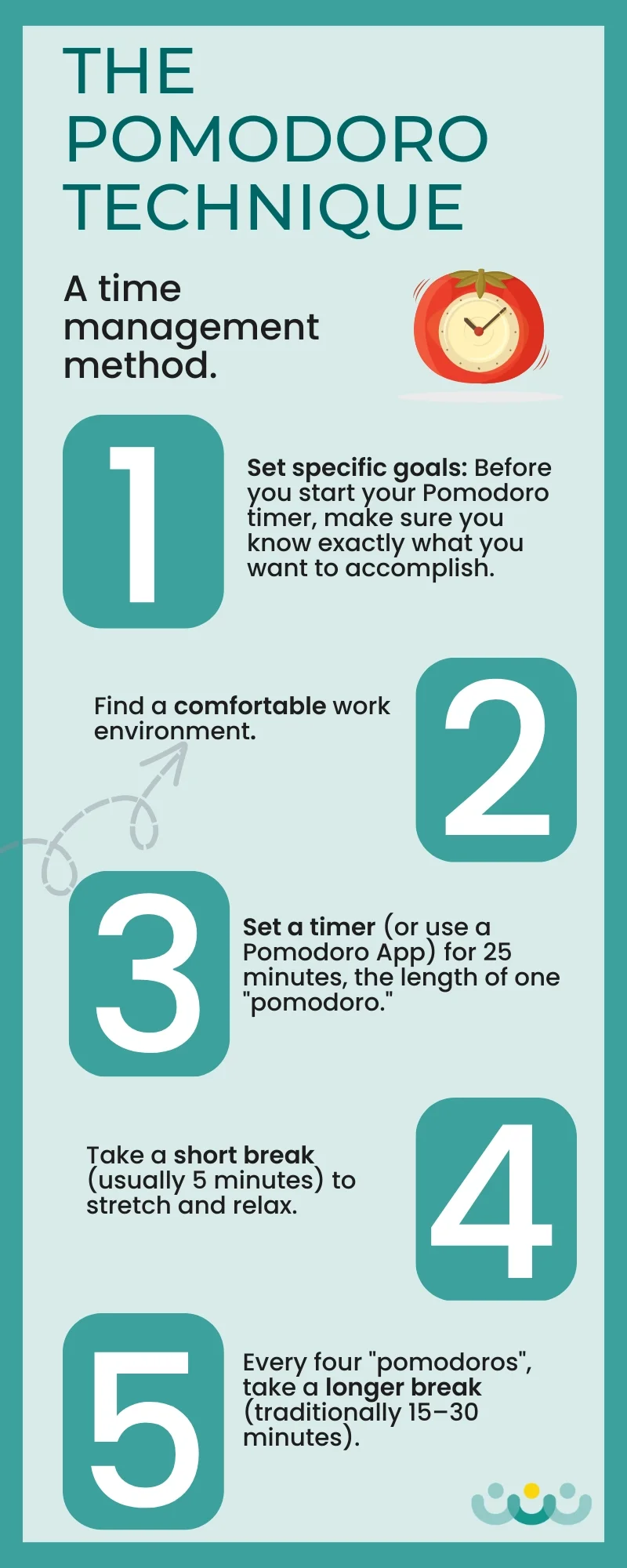
Angela, an entrepreneur, faced paralysis when confronted with large projects. She began dividing her work into smaller segments—25-minute intervals with clear objectives, inspired by the Pomodoro Technique. For instance, instead of “write business plan,” she scheduled “draft executive summary” for the first block.
This approach creates a sense of achievement and lowers the mental barrier that often fuels procrastination. Managing tasks in bite-sized chunks helps keep momentum, making daunting projects feel more approachable and less intimidating.
Prioritization Strategies for Effective Scheduling
Not every task holds the same weight. James, a college student, uses the Eisenhower Matrix alongside time-blocking to prioritize. He blocks time for urgent and important tasks first, ensuring deadlines are met, while less critical duties are slotted later or combined with breaks.
Being intentional about what fills your time blocks prevents overloading your schedule and encourages focus on what truly matters. Prioritization helps protect time for tasks that contribute the most to your goals, reducing the temptation to procrastinate on essential work.
Incorporating Breaks and Buffer Times
Rachel, a project manager, learned the hard way that working non-stop led to burnout and distraction. She adjusted her schedule to include short breaks between blocks as well as buffer times for unexpected interruptions. This flexibility allows for mental recovery and keeps stress levels lower.
Incorporating breaks enhances concentration and makes it easier to dive back into work with renewed energy. Buffer zones also prevent schedule derailment, which can otherwise trigger procrastination when tasks spill over unexpectedly.
Tools and Apps to Enhance Your Time-Blocking Practice
Top Digital Calendars and Planners
To make time-blocking seamless, many turn to digital tools. Tools like Google Calendar and Microsoft Outlook offer easy drag-and-drop scheduling, color-coded blocks, and reminders. For example, Lisa, a marketing consultant, color-codes her calendar: green blocks for client calls, blue for creative work, and red for admin tasks, providing a clear visual overview.
Specialized apps like Todoist or Trello help manage task lists and integrate with calendars, making it easier to align daily goals with scheduled blocks. These tools are especially useful for blending personal and professional commitments without overbooking.
Using Alarms and Notifications Effectively
Notifications can be both helpful and distracting. Alex, a teacher, found that setting alarms at the start of each time block kept him accountable. However, he disabled non-essential notifications during focused blocks to minimize interruptions.
Balancing reminders with focus-friendly settings ensures time-blocks serve their purpose without becoming a source of anxiety. Experimenting with different alert styles can help find what supports your flow best.
Building Long-Term Habits: Staying Consistent With Time-Blocking
Monitoring Your Progress and Adjusting Time Blocks
Initially, Jenna, a software developer, was strict with her time blocks but soon realized some tasks needed more or less time than allocated. By reviewing her schedule weekly, she adjusted blocks to better fit her actual work pace.
Regular reflection allows you to refine your technique, making time-blocking a dynamic process tailored to your evolving needs. Tracking progress over time also highlights improvements that encourage persistence.
Overcoming Common Challenges and Staying Motivated
It’s common to face setbacks like over-scheduling or underestimating task durations. When Kevin noticed his motivation dipping after missing time blocks, he introduced accountability partners and rewards for sticking to his schedule.
Building new habits requires patience and flexibility. Remember, the goal is progress, not perfection. Accept occasional slips, learn from them, and recommit. Incorporating personal rewards or pairing time-blocking with other habits like journaling can reinforce motivation.


