
Introduction to Family Garden Projects
Why Gardening Is an Effective Nature Lesson for Kids
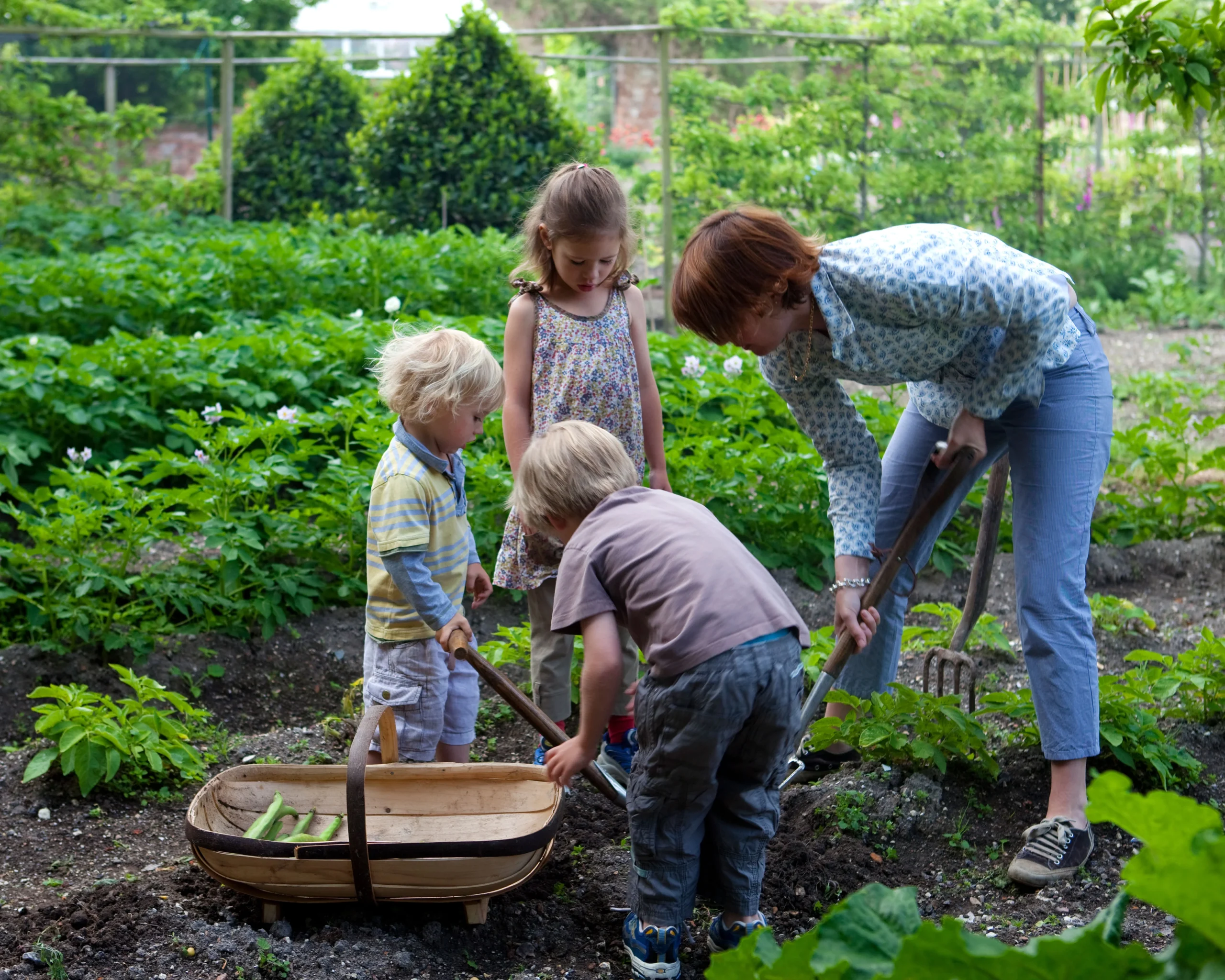
Gardening offers a hands-on approach to learning about the natural world, making it an ideal way for children to connect with nature. Through tending to plants and observing growth cycles, kids gain firsthand experience with biology, ecology, and environmental stewardship. This immersive activity nurtures curiosity and responsibility, encouraging children to explore life sciences outside the classroom in a fun and engaging setting.
Overview: What to Expect From This Guide
This guide will walk you through the essential steps to create a family garden project that both teaches and delights children. We will begin with planning and preparation, move through the planting and care phases, and conclude with harvesting and extended learning opportunities. Along the way, we’ll address common challenges and offer practical tips to ensure your garden becomes a thriving hub of discovery and quality family time.
Planning Your Family Garden
Setting Goals and Expectations with Kids
The first step is to involve your children in establishing what you want to achieve with the garden. Discuss what interests them—whether it’s growing flowers, vegetables, or attracting wildlife. Setting clear goals helps focus efforts and encourages ownership. For example, you might agree to grow a few easy-care vegetables to enjoy during meals or create a butterfly-friendly garden to observe pollinators. Defining expectations early avoids frustration and sets a positive tone for collaboration.
Choosing the Right Location and Size
Selecting an appropriate spot for your garden is crucial. Ideally, it should receive ample sunlight, have good drainage, and be easily accessible for the kids. The size should suit your available space and the family’s level of commitment. Starting small can make the project more manageable and less overwhelming, especially if this is your first family garden. A small raised bed or container garden can be perfect for fostering enthusiasm without demanding excessive maintenance.
Picking Plants That Teach and Thrive
Choosing the right plants can transform your garden into a living classroom. Opt for species that are resilient and suited to your climate, so children can see successful growth without too much frustration. Herbs, sunflowers, and cherry tomatoes are great starter choices. Additionally, select plants that demonstrate clear growth stages or attract local wildlife, helping children observe natural processes and ecological relationships in action.
Gathering Materials and Tools Together
Kid-Friendly Gardening Tools and Supplies
Safety and comfort are paramount when selecting tools for young gardeners. Look for small-sized implements with ergonomic handles designed for little hands. Tools such as trowels, watering cans, and gloves made specifically for kids can boost their confidence and enthusiasm. Introducing tools gradually also helps teach proper usage and responsibility, which is important for creating a safe gardening environment.
Recycling and Sustainable Materials to Use
Incorporating recycled or eco-friendly materials into your garden project not only supports sustainability but also serves as an educational opportunity. Use repurposed containers for planting, such as old buckets or wooden crates, to teach about reuse. Composting kitchen scraps to enrich soil further connects children to natural cycles and reduces waste, reinforcing important environmental concepts.
Step 1: Preparing the Garden Bed
Soil Testing and Improving Soil Health
Healthy soil is the foundation of a successful garden. Introducing kids to simple soil tests, such as checking texture or moisture, can deepen their understanding of what plants need to thrive. Explaining the role of nutrients like nitrogen and phosphorus makes the process educational. If the soil quality is poor, you can involve children in amending it by adding compost or organic matter, demonstrating how soil health directly influences plant growth.
Creating Fun and Educational Soil Mix Activities
Mixing soil components offers a tactile, sensory experience that keeps kids engaged. Encourage them to combine different elements like sand, compost, and garden soil to create their own potting mix. Use this as an opportunity to discuss the properties of each material and why they matter. Hands-on activities like this foster curiosity and transform abstract concepts into concrete learning moments.
Step 2: Planting and Setting Up the Garden
How to Involve Kids in Seed Selection and Planting
Selecting seeds together allows children to take ownership of the project from the very beginning. Explain the differences between seeds and what each plant will become, which builds anticipation and knowledge. During planting, teach kids how deep and far apart to plant seeds, using child-friendly measurements. This personalized involvement helps make the garden feel like a shared accomplishment rather than an adult-led task.
Designing the Garden Layout as a Family
Planning the arrangement of plants encourages creativity and teamwork. Work together to decide where each plant will go, considering factors like plant height, sun exposure, and companion planting principles. Drawing a simple garden map can help visualize the space and reinforce planning skills. This process is not only practical but also encourages children to think critically about how ecosystems function.
Step 3: Daily Care and Observation
Teaching Kids About Watering and Weeding
Daily maintenance is an excellent way to instill habits of care and responsibility. Show children the importance of watering appropriately, explaining that both overwatering and underwatering can harm plants. Weeding can be a fun scavenger hunt where kids learn to identify unwanted plants. These routine tasks not only keep the garden healthy but also teach observation and patience.
Creating a Nature Journal to Track Growth and Changes
Encourage children to keep a nature journal where they record observations, draw pictures, and note changes in the garden. This practice enhances attention to detail and reinforces learning through reflection. Journals can also capture exciting moments like the first bloom or the appearance of pollinators, making the gardening experience more memorable and meaningful.
Step 4: Encouraging Wildlife and Biodiversity
Building Habitats for Pollinators
Teaching kids to support local wildlife adds another dimension to the garden’s educational value. Show children how to create simple habitats, such as planting native flowers or setting up bee hotels, to attract pollinators. Explain the crucial role these insects play in plant reproduction and food production. This step helps children appreciate biodiversity and the interconnectedness of ecosystems.
Learning About Beneficial Insects and Birds
Identifying helpful insects and birds turns the garden into an outdoor classroom. Use field guides or apps to observe and learn about ladybugs, butterflies, birds, and other creatures that contribute to a healthy garden. Understanding these relationships teaches kids about natural pest control and encourages respect for all forms of life.
Step 5: Harvesting and Using Your Garden’s Produce
Celebrating the Fruits of Your Labor Together
Harvest time is a moment of shared accomplishment. Involve children in picking ripe fruits or vegetables, emphasizing the connection between their care and the garden’s bounty. Celebrating success builds pride and reinforces the value of patience and consistent effort throughout the growing process.
Fun Family Recipes to Use Garden Harvests
Transforming garden produce into meals encourages further engagement and learning about nutrition. Prepare simple recipes together that showcase the fruits of your labor, such as salads, smoothies, or herb-infused dishes. Cooking together also strengthens family bonds and deepens children’s appreciation for fresh, homegrown food.
Enhancing the Learning Experience Beyond Gardening
Nature-Themed Crafts and Activities
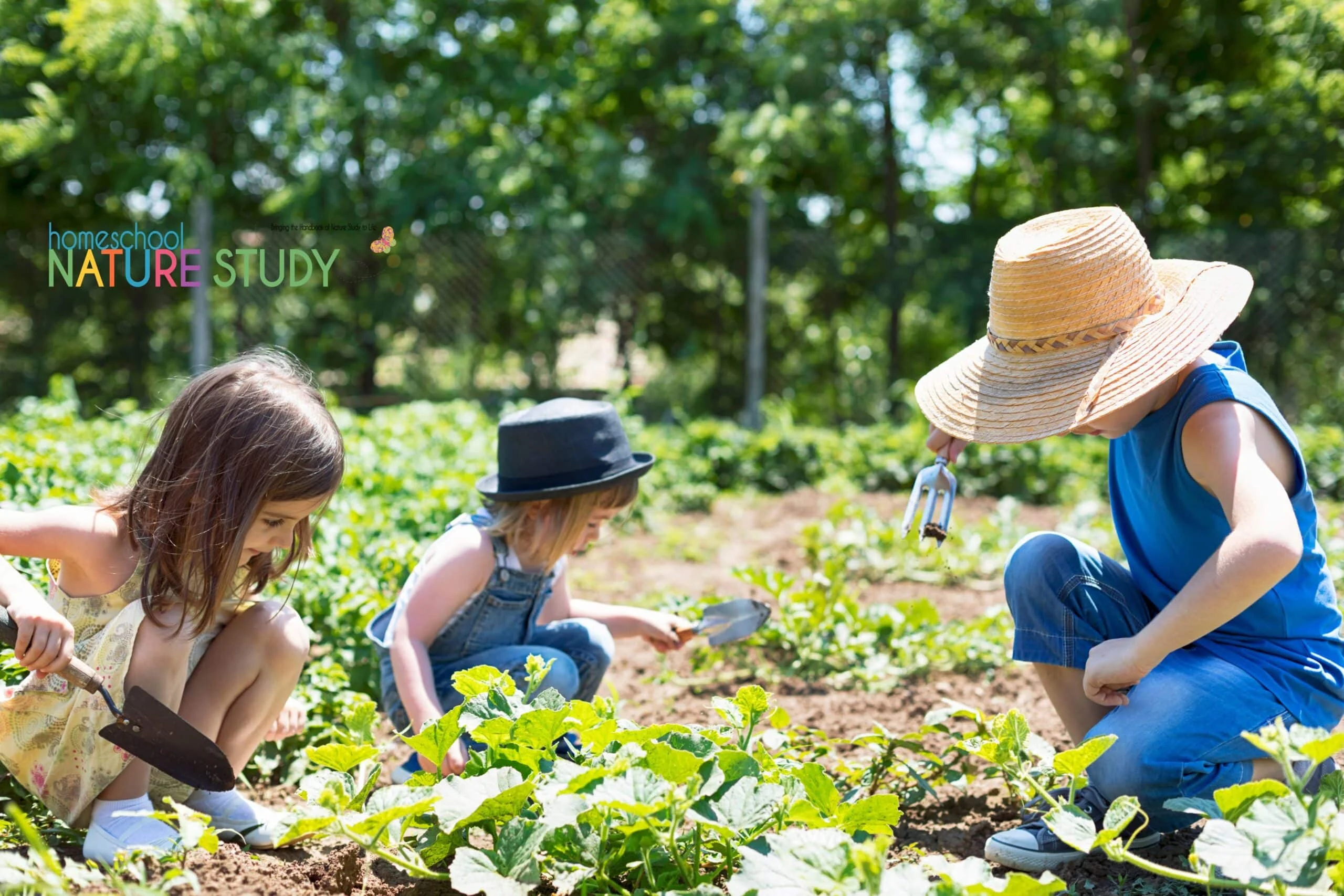
Extend children’s interest in nature by incorporating related crafts and activities. Making leaf rubbings, creating bug hotels, or building bird feeders encourages creativity while reinforcing garden lessons. These projects can also serve as fun indoor options on rainy days, keeping the connection to nature alive year-round.
Educational Resources and Apps for Kids Interested in Nature
Leveraging digital tools can enhance children’s understanding and excitement about nature. Many apps provide interactive guides to plants, insects, and weather patterns, complementing hands-on gardening experiences. Encourage kids to explore these resources as part of their learning journey, blending technology with real-world observation.
Conclusion: Growing Together Through Gardening
A family garden project is more than just cultivating plants; it is about nurturing curiosity, responsibility, and togetherness. By involving children at every step—from planning to harvesting—you create a lasting bond with nature and each other. The lessons learned in the garden extend far beyond the soil, fostering a lifelong respect for the environment and a love of learning.


