
Introduction to Proper Sitting Posture for Students
Why Sitting Posture Matters During Study Sessions
Many students today spend hours studying at home, often in front of a desk or computer. However, the way they sit can greatly affect their comfort, focus, and long-term health. Poor sitting posture may lead to discomfort, fatigue, and even musculoskeletal issues, which can interfere with learning and daily activities. Understanding the importance of correct sitting posture helps students develop habits that support better concentration and physical well-being.

Common Posture Mistakes Made by Students at Home
Students frequently adopt slouched or hunched postures without realizing the consequences. Leaning too far forward, sitting with crossed legs, or using chairs that do not support the back properly are common errors. These habits can cause strain on the neck and shoulders, reduced circulation, and increased muscle tension. Identifying these common mistakes is the first step toward making effective changes for a healthier study experience.
Assessing Your Current Sitting Setup
Ergonomic Check: Desk and Chair Height
One major challenge students face when studying at home is having furniture that does not match their body dimensions. A desk that is too high or too low, or a chair that does not offer proper support, can force a student into awkward positions. Evaluating the height of the desk and chair relative to the student’s stature is critical to prevent slouching or hunched shoulders. The ideal setup allows the elbows to rest comfortably at a 90-degree angle without raising or dropping the shoulders.
How to Identify Poor Posture Habits
Recognizing poor posture habits requires awareness of one’s own body during study sessions. Common signs include frequent leaning forward, rounding of the upper back, or shifting weight unevenly on the hips. Sometimes, discomfort in the neck, shoulders, or lower back during or after studying signals incorrect posture. Observing these cues early helps students adjust before discomfort becomes chronic.
Step 1: Preparing Your Study Environment
Choosing the Right Chair and Desk
Setting up a study space starts with selecting the appropriate chair and desk. Ideally, the chair should support the natural curve of the spine, especially in the lower back. It should have a seat height that allows the feet to rest flat on the floor and promote good circulation. The desk surface needs to be spacious enough for books, notes, and devices without causing the student to lean excessively. Investing time in setting up a balanced environment lays the foundation for proper posture.
Optimizing Lighting and Screen Position
Improper lighting or screen placement often causes students to lean forward or tilt their heads awkwardly. Positioning a computer screen at eye level and ensuring sufficient ambient light reduces eye strain and encourages a more upright posture. Natural light is preferable, but when not possible, a well-placed desk lamp can help. Avoiding glare and shadows also contributes to a comfortable study environment that supports correct sitting posture.
Step 2: Aligning Your Body Correctly
Feet Placement and Leg Positioning
Proper foot positioning is often overlooked but is essential for maintaining balance and reducing lower back pressure. Keeping both feet flat on the floor—or using a footrest when necessary—stabilizes the lower body and prevents unnecessary twisting or crossing of legs. Ensuring that legs are not tucked tightly underneath the chair or stretched too far helps upkeep natural blood circulation during long study periods.
Back Support and Spine Alignment
A straight and supported spine is key to avoiding discomfort. Students should avoid slumping or leaning heavily onto one side. Using the backrest of the chair to support the lumbar region helps maintain the natural inward curve of the lower spine. Maintaining this alignment distributes body weight evenly and reduces muscle fatigue that arises from poor posture.
Positioning Shoulders and Arms
Shoulders should be kept relaxed and not elevated or rounded forward. The arms need to rest comfortably on the desk or armrests, with elbows close to the body, facilitating ease of movement and reducing tension. Overreaching for materials or devices can cause strain, so keeping frequently used items within easy reach supports better arm and shoulder positioning.
Head and Neck Positioning Tips
Many students unknowingly push their heads forward or tilt their necks down when focusing on reading or screen work. This posture creates stress on cervical muscles and can lead to headaches or neck pain. Keeping the head balanced over the shoulders with the chin slightly tucked encourages a neutral spine alignment. Adjusting screen height and material placement to eye level can help maintain this optimal position.
Step 3: Maintaining Sitting Posture During Study Sessions
How Often to Take Breaks and Stretch
Even with perfect posture, sitting for extended periods is problematic. One common pitfall is staying in the same position for hours, which can cause stiffness and fatigue. Taking regular breaks every 30 to 45 minutes to stand up, walk around, or stretch helps relieve muscle tension and promotes circulation. These short pauses refresh both body and mind, supporting sustained concentration and comfort.
Simple Exercises to Prevent Fatigue
Incorporating gentle movements such as shoulder rolls, neck stretches, or seated leg lifts during breaks combats the negative effects of prolonged sitting. These exercises help loosen tight muscles and improve blood flow without needing special equipment. Encouraging students to integrate quick stretches into their study routine aids long-term posture maintenance and reduces discomfort.
Additional Tools and Accessories for Better Posture
Ergonomic Cushions and Lumbar Supports
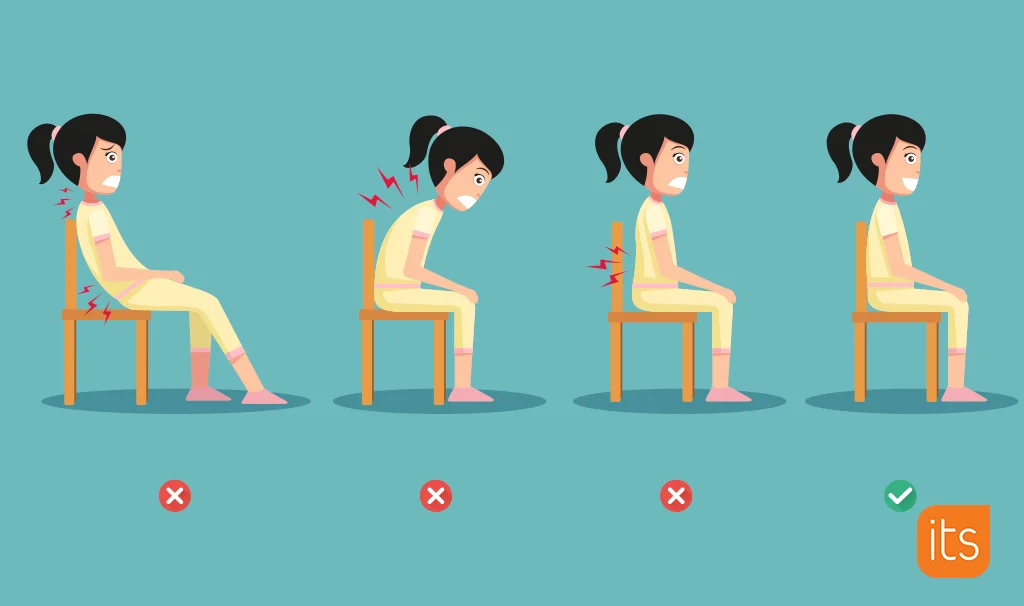
Many students fail to realize the value of ergonomic accessories that enhance seating comfort. Lumbar supports or specially designed cushions can fill gaps between the chair and the lower back, promoting proper spinal curvature. These additions help students hold correct posture more easily, especially if their existing furniture lacks ideal support.
Using Footrests and Adjustable Desks
Footrests can be a practical solution if a student’s feet do not reach the floor comfortably, improving overall alignment. Adjustable desks provide flexibility to change between sitting and standing positions, reducing the strain of long sitting sessions. Utilizing these tools allows students to customize their environments based on their physical needs, making good posture more achievable.
Conclusion: Building Healthy Study Habits at Home
Cultivating proper sitting posture is not just about single adjustments but about developing consistent habits that protect a student’s physical health during study. By assessing their current setup, making thoughtful changes to their environment, and adopting correct body alignment, students can avoid common posture problems. Regular breaks and simple exercises further support these efforts, ensuring sustained comfort and focus. With these strategies, studying at home becomes a healthier and more productive experience.


