
Understanding the Importance of a Calming Workspace
How Workspace Environment Influences Stress Levels
A cluttered or chaotic workspace can often lead to increased stress and difficulty concentrating. When the environment is filled with distractions or poorly organized, the brain struggles to focus, which can heighten feelings of overwhelm and fatigue. On the other hand, a calming workspace helps create mental balance by reducing sensory overload and promoting a sense of order and control.
Psychological Benefits of a Stress-Reducing Workspace
Having a workspace designed to lower stress levels can contribute significantly to overall well-being. Such an environment encourages calmness and enhances productivity by elevating mood and fostering a positive mindset. Stress reduction in the workspace supports clearer thinking, better decision-making, and improved emotional resilience, making it easier to navigate daily challenges without becoming overwhelmed.
Assessing Your Current Workspace
Identifying Stress Triggers in Your Work Area

Before making changes, it’s important to identify what aspects of your workspace may be contributing to stress. Common triggers include excessive clutter, poor lighting, uncomfortable furniture, and loud or distracting sounds. Recognizing these factors helps pinpoint what needs adjustment for a more soothing environment.
Tools and Techniques for Workspace Evaluation
To thoroughly assess your workspace, take note of how you feel at different times during the day and observe your productivity levels. Simple tools such as a journal or checklist can assist in tracking sources of discomfort or distraction. Additionally, asking for feedback from colleagues or using apps that monitor noise and lighting conditions can provide useful insights for improvement.
Step 1: Declutter and Organize for Mental Clarity
Effective Decluttering Strategies
Clutter can cause unnoticed stress, so starting with a cleanup is key. Focus on removing unnecessary papers, organizing cables, and limiting items on your desk to essentials. Implementing a system where every item has a designated place can prevent mess from accumulating again. This initial effort creates mental space and fosters a sense of control and focus.
Storage Solutions to Maintain Tidiness
After decluttering, maintaining tidiness requires practical storage options. Use drawers, shelves, or boxes to keep items out of sight but easily accessible. Vertical storage can maximize space, and labeling containers ensures quick retrieval without disruption. Keeping surfaces clear not only looks appealing but also supports ongoing mental clarity.
Step 2: Incorporate Soothing Colors and Elements
Choosing Colors That Promote Calmness
Colors have a subtle yet powerful effect on emotions. Soft blues, greens, and neutral tones are known to promote relaxation and reduce anxiety. Incorporating these shades into your workspace through wall paint, furniture, or accessories can help create a tranquil atmosphere. Avoid overly bright or harsh colors that could increase overstimulation.
Adding Natural Elements for Relaxation
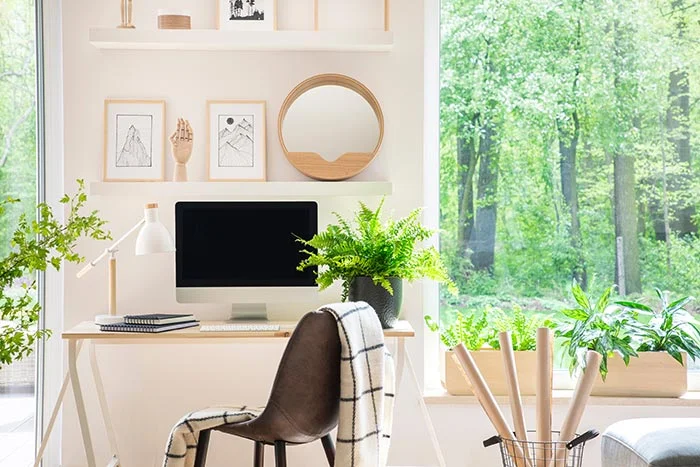
Bringing elements from nature into the workspace, such as plants or wooden accessories, can enhance feelings of calm and connection. Plants not only improve aesthetics but also contribute to cleaner air and a sense of vitality. Natural textures and materials evoke a soothing environment, encouraging focus and reducing stress.
Step 3: Optimize Lighting and Air Quality
Role of Natural vs. Artificial Light in Stress Reduction
Lighting plays a crucial role in how comfortable and alert you feel. Natural light has been shown to improve mood and energy levels, so positioning your workspace near windows is beneficial. When natural light is insufficient, soft, diffused artificial lighting helps avoid glare and harsh shadows that strain the eyes and contribute to fatigue.
Enhancing Air Flow and Purity in the Workspace
Stale or poorly circulated air can increase feelings of lethargy and discomfort. Ensuring good airflow by opening windows or using fans promotes freshness and alertness. Adding air-purifying plants or using purifiers can improve air quality, supporting better cognitive function and reducing stress caused by stuffy environments.
Step 4: Personalize Your Space for Comfort and Inspiration
Selecting Art and Decor that Relieve Stress
Personal touches in a workspace can make it feel more inviting and less institutional. Artwork that resonates positively or nature-inspired imagery can uplift your mood. Choose pieces that inspire calm or motivation without overwhelming the space or distracting you from work.
Setting Up Comfort-Focused Furniture and Accessories
Ergonomic furniture contributes significantly to physical comfort and emotional well-being. Chairs with good support and adjustable desks help reduce physical strain, which often leads to stress. Incorporating accessories such as supportive cushions or footrests can create a more comfortable setup that encourages longer, more focused work periods.
Step 5: Introduce Mindfulness and Relaxation Tools
Using Aromatherapy, Plants, and Soundscapes
To deepen the calming effect, consider adding sensory elements like pleasant scents from essential oils or fresh plants. Subtle background sounds such as nature soundscapes or gentle music can block distracting noise and encourage a peaceful mindset. These tools create a multisensory experience that promotes relaxation during work hours.
Workspace Tips for Encouraging Breaks and Mindful Moments
Establishing routines that include regular short breaks helps prevent burnout and maintain calm throughout the day. Setting reminders to step away for stretching or breathing exercises fosters mindfulness and reduces cumulative stress. Creating a designated relaxation corner within the workspace can also encourage brief mental resets and improved focus.
Maintaining Your Calming Workspace Over Time
Daily Habits to Preserve a Stress-Reducing Environment
Consistency is key to keeping your workspace stress-free. Making a habit of tidying up at the end of each day, checking lighting, and adjusting surroundings as needed supports long-term calmness. Small, routine actions ensure your workspace remains a sanctuary rather than becoming cluttered or chaotic again.
Periodic Reviews and Adjustments for Optimal Calm
As work demands and personal preferences evolve, it is important to periodically reassess your workspace. Taking time to evaluate what continues to work and what causes stress helps you make necessary adjustments. Staying flexible and proactive allows the space to consistently support your well-being and productivity.


