
Understanding the Importance of Relaxation for Sleep
How Stress Affects Sleep Quality
Imagine coming home after a hectic day, your mind buzzing with unfinished tasks and worries. This stress often travels with you into bed, making it difficult to switch off and fall asleep. Stress triggers the release of cortisol, the body’s stress hormone, which can keep your brain alert when it should be winding down. Many people find themselves lying awake, caught in a loop of anxious thoughts, unable to enjoy deep, restful sleep. Recognizing how stress impacts sleep is the first step toward improving your nightly rest.
The Science Behind Relaxation and Faster Sleep
Relaxation techniques work by activating the parasympathetic nervous system—the part of your body responsible for the ‘rest and digest’ state. When engaged, this system slows the heart rate, lowers blood pressure, and reduces muscle tension, all of which prepare your body for sleep. Studies have shown that calming the nervous system can shorten the time it takes to fall asleep and improve sleep quality. By intentionally practicing relaxation, you can guide your body to transition smoothly from wakefulness to sleep.
Preparation: Setting the Right Environment
Creating a Calm and Comfortable Bedroom
A bedroom that promotes relaxation is essential for faster sleep onset. Consider the story of Maria, who struggled with sleepless nights until she revamped her sleeping space. She swapped harsh overhead lights for warm lamps and invested in blackout curtains to minimize light. A comfortable mattress and breathable bedding made a significant difference in her comfort level. A cool room temperature, typically between 60-67°F (15-19°C), also supports restful sleep. Making your bedroom a sanctuary free from distractions creates the physical foundation for relaxation.
Eliminating Distractions and Electronic Devices
Technology is a double-edged sword when it comes to sleep. The blue light emitted by phones and tablets inhibits melatonin production, a hormone vital for sleep regulation. Take the example of John, who used to scroll through social media right before bed and found himself wide awake for hours. By removing electronic devices from his bedroom and establishing a no-screen rule 30 minutes before sleep, he noticed a dramatic improvement in how quickly he fell asleep. Turning off notifications and avoiding stimulating content can help your mind settle.
Step 1: Breathing Exercises to Calm the Mind
Diaphragmatic Breathing Technique
Sarah found that focusing on her breath was the key to quieting her racing thoughts. Diaphragmatic breathing, also known as belly breathing, encourages deep breaths that engage the diaphragm rather than shallow chest breathing. To practice, lie down comfortably, place one hand on your chest and the other on your abdomen. Slowly inhale through your nose, feeling your stomach rise, then exhale gently through your mouth. This method signals your body to relax by increasing oxygen flow and reducing heart rate.
4-7-8 Breathing Method
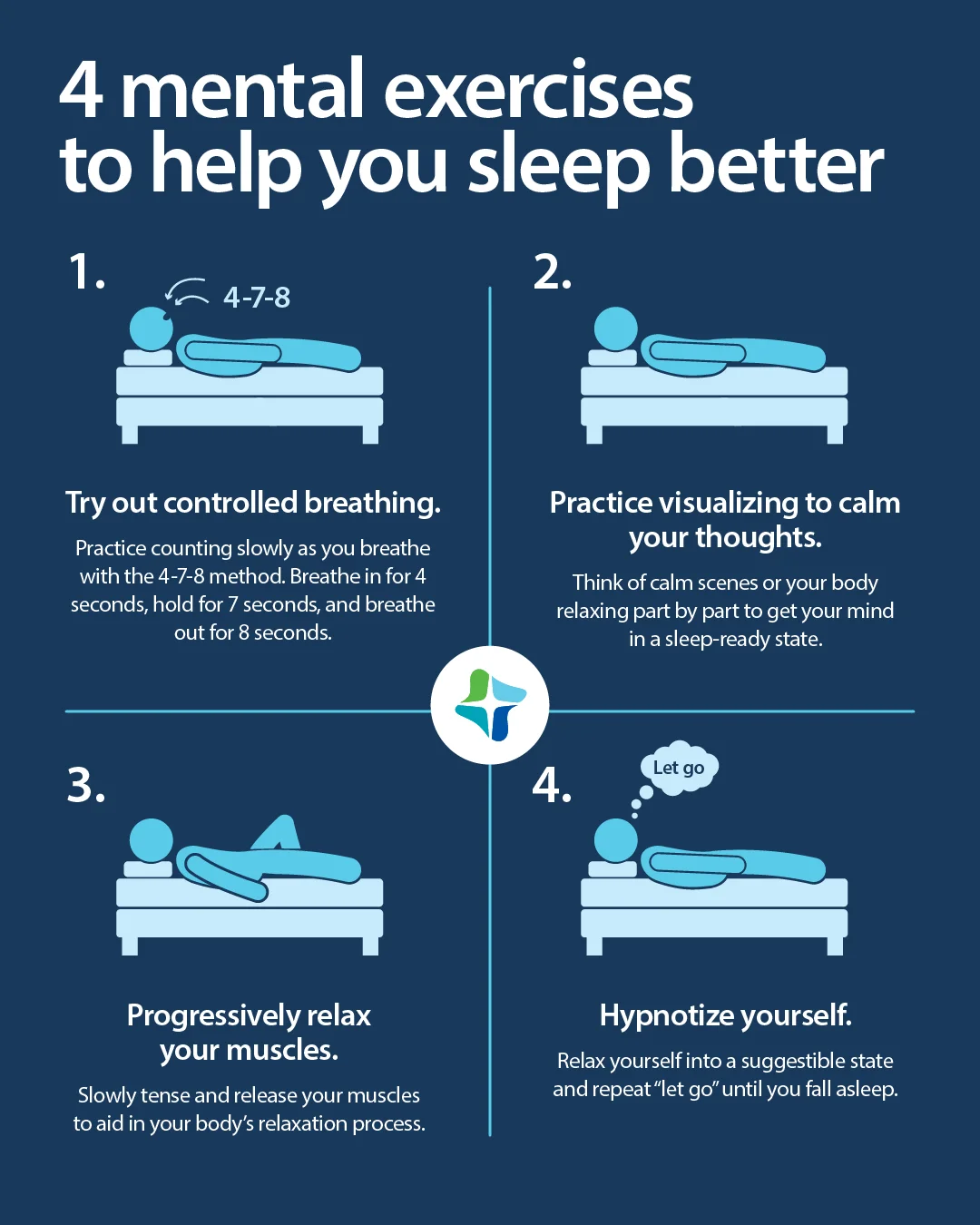
The 4-7-8 technique is a simple yet powerful way to induce calm. Picture this: as you prepare to sleep, you inhale quietly through your nose for four seconds, hold your breath for seven seconds, and then exhale completely through your mouth for eight seconds. This pattern helps reset the nervous system and diverts attention from stressful thoughts. Many find this rhythm soothing, and with regular practice, it becomes a natural cue for your body to prepare for sleep.
Step 2: Progressive Muscle Relaxation
How to Identify and Release Tension
Often, stress manifests as physical tension, even when we aren’t fully aware of it. Progressive muscle relaxation involves tensing and then releasing muscle groups methodically, promoting a deep sense of ease. For example, after a long day, Mark noticed his shoulders were tight. By focusing on these areas, tightening the muscles for a few seconds, then slowly letting go, he could identify and let go of built-up tension, making it easier to fall asleep.
Guided Steps for Full-Body Relaxation
Starting from your feet and moving upward, tighten each muscle group—feet, calves, thighs, abdomen, arms, neck, and face—for about five seconds, then release. It can be helpful to imagine the stress flowing out of your body as you relax each area. Many people find recordings or apps to guide them through this process, which can be especially useful when first learning. This deep relaxation primes the mind and body for sleep by easing both physical and mental tension.
Step 3: Mindfulness and Visualization
Practicing Mindful Awareness
Mindfulness is about gently bringing your attention to the present moment without judgment. Take the example of Lisa, who used to lie awake worrying about the next day’s events. She started practicing simple mindfulness exercises before bed, focusing on the sensations of lying in bed—the feel of the sheets, the rhythm of her breath. This habit helped her shift focus away from anxiety-provoking thoughts and settle into rest.
Visualization Techniques to Ease Anxiety
Visualization encourages creating peaceful mental images that can distract from tension and promote relaxation. Imagine a quiet beach or a serene forest, absorbing the details of the scene—the sound of waves, the warmth of sunlight, or the rustle of leaves. Visualizing such calming environments helps reduce the brain’s hyperactivity, making it easier to drift into sleep. This technique can be tailored to whatever peaceful scene resonates most personally.
Step 4: Incorporating Aromatherapy and Sound
Essential Oils That Promote Sleep
Many find that certain scents have a calming effect that enhances relaxation. Lavender is a popular choice, with a long history of use for its soothing aroma. Jasmine and chamomile are also known to promote calmness. For instance, after a long day, Emily uses a diffuser with lavender essential oil in her bedroom. The gentle scent creates a tranquil atmosphere that supports winding down and quicker sleep onset.
Using Soothing Sounds and White Noise
Sound can either disrupt or enhance your sleep environment. Gentle sounds like rainfall, ocean waves, or white noise machines can help mask disruptive background noise and soothe the mind. James, who lives in a noisy city apartment, uses a white noise machine to create a consistent and calming auditory backdrop, enabling him to fall asleep faster despite external disturbances.
Additional Tips to Enhance Sleep Onset
Establishing a Consistent Bedtime Routine
Consistency is a powerful ally in falling asleep faster. Your body’s internal clock, or circadian rhythm, thrives on routine. Emily noticed her sleep improved after she committed to going to bed and waking up at the same times every day—even on weekends. A simple routine, such as reading a book or gentle stretching before bed, signals your body that it’s time to wind down.
Best Foods and Drinks Before Bed
The foods and drinks you consume in the evening can also influence how quickly you fall asleep. Heavy meals, caffeine, and alcohol close to bedtime can interfere with sleep. Instead, lighter options like a small portion of nuts, chamomile tea, or a banana can be gentler on your digestive system and provide natural compounds that support relaxation. Paying attention to your evening nutrition can complement your relaxation techniques and promote smoother sleep onset.


