
Understanding the Demands of a Spartan Race
Typical Course Layout and Obstacles
A Spartan Race combines running with various physical challenges on rugged terrain. Courses typically range from 3 to 12 miles and feature obstacles such as wall climbs, rope climbs, mud crawls, and heavy carries. Each element tests different aspects of physical fitness, including strength, agility, and endurance.
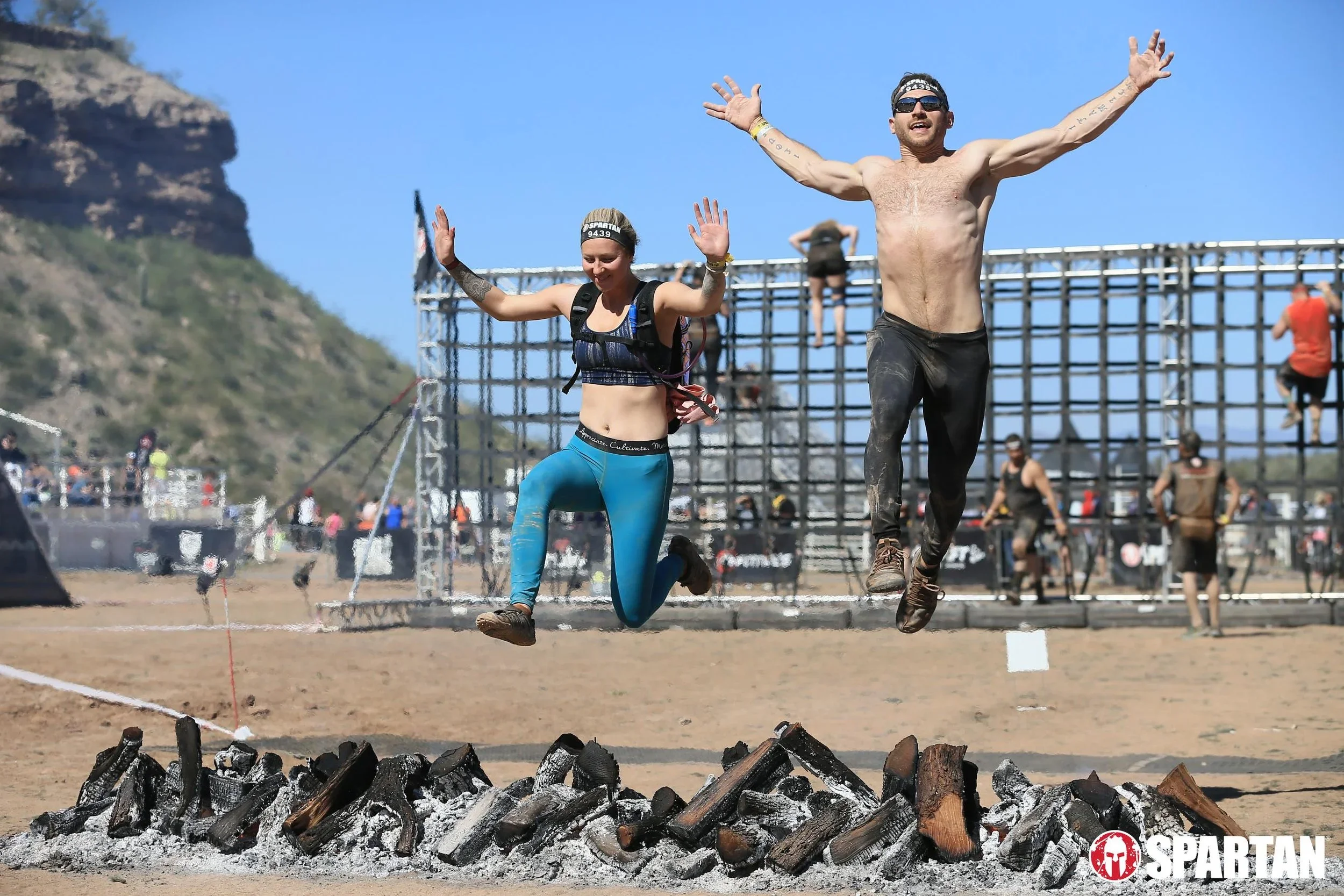
Physical and Mental Challenges Faced
The race demands sustained physical effort and mental resilience. Participants must cope with fatigue, muscle soreness, and occasionally harsh weather conditions. Navigating obstacles requires focus and strategic thinking, making mental toughness as important as physical preparation.
Building a Solid Endurance Foundation
Essential Cardiovascular Workouts
Endurance is key for completing a Spartan Race. Consistent cardiovascular exercises like running, cycling, or swimming build the aerobic base needed to sustain long periods of effort. Aim for a mix of moderate-paced steady-state sessions and occasional longer workouts to improve stamina gradually.
Incorporating Long-Distance Runs and Hikes
Training on trails or uneven surfaces replicates race conditions better than road running alone. Long-distance runs and hikes build the muscular endurance required for the race’s variable terrain. Additionally, hiking with a weighted backpack can prepare your body for carrying loads during the event.
Enhancing Speed Without Sacrificing Stamina
Interval Training Techniques
Incorporate intervals of high-intensity running followed by recovery periods to boost speed and cardiovascular efficiency. This method trains your body to recover quickly from bursts of effort, which is beneficial for overcoming obstacles or sprinting between them.
Speed Drills Tailored for Off-Road Terrain
Speed work should include drills on trails, hills, and uneven ground to improve coordination and agility. Hill sprints and repeated short bursts on rough terrain help develop power and quickness while maintaining control on challenging surfaces.
Strength Training Specific to Obstacle Navigation
Functional Exercises for Grip and Upper Body
Obstacles often require strong grip and upper body strength. Pull-ups, dead hangs, farmer’s carries, and rope climbs strengthen the muscles involved. Training with varied grips and using bodyweight movements can closely mimic race conditions.
Core Stability for Balance and Agility
A strong core supports efficient movement and balance on unstable surfaces. Incorporate planks, Russian twists, and leg raises into your routine. Core engagement helps maintain posture and reduces injury risk during dynamic obstacle navigation.
Nutrition and Recovery Strategies for Peak Performance
Pre-Race Fueling Tips
Eating balanced meals rich in complex carbohydrates, lean proteins, and healthy fats ensures sustained energy. Hydration is equally important. Avoid heavy or unfamiliar foods before the race to minimize gastrointestinal issues during the event.
Post-Workout Recovery Practices
Recovery should include adequate protein intake for muscle repair and replenishing glycogen stores with carbohydrates. Incorporate stretching and foam rolling to alleviate muscle tightness. Rest days and quality sleep speed up recovery and prepare the body for future training.
Practical Tips for Race Day Preparation
Gear Selection and Testing
Choose trail-appropriate shoes with good grip and test them during training to prevent blisters. Lightweight, moisture-wicking clothing reduces discomfort. Practice with your race gear beforehand to ensure everything fits well and functions under race conditions.
Mental Strategies to Stay Focused and Motivated
Visualizing success and breaking the race into manageable segments helps maintain focus. Positive self-talk and controlled breathing techniques can reduce anxiety. Preparing mentally for challenges enhances performance and enjoyment on race day.


