
Introduction to At-Home Creative Exercise
Exercising at home without any equipment can quickly become monotonous, leading to dwindling motivation and inconsistent routines. However, by incorporating creativity into your workouts, you can transform your space into an engaging environment that keeps you excited and eager to move. This article explores ten innovative exercises that require no equipment, designed to maintain your enthusiasm and improve your fitness.
Why Creativity Boosts Exercise Motivation
Lack of motivation often stems from repetitive workouts that feel tedious or uninspiring. When exercise becomes predictable, it’s easy to skip sessions or give up entirely. Creativity introduces fresh challenges and enjoyment, stimulating both your body and mind. Engaging your imagination during exercise can reduce feelings of fatigue, making workouts feel less like a chore and more like an activity you look forward to. This approach is especially valuable for home workouts, where external distractions like gym equipment or classes are absent.
Top 10 At-Home Creative Exercises Without Equipment
1. Dance-Based Cardio Sessions
Dancing offers a dynamic way to elevate your heart rate while having fun. The problem with traditional cardio at home is often the repetitiveness and lack of rhythm that keeps you engaged. By selecting your favorite music and letting your body move freely or following choreographed routines from online videos, you introduce variety that keeps the workout exciting, breaking the monotony and improving cardiovascular health.
2. Bodyweight Circuit Training
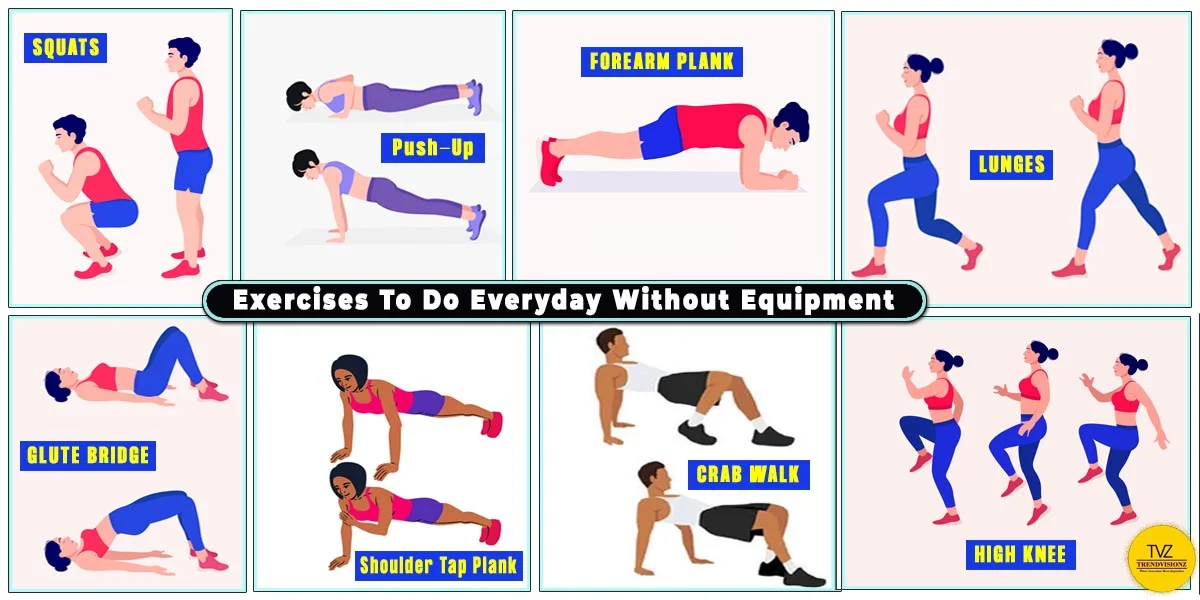
While bodyweight exercises are common, the challenge lies in designing circuits that prevent boredom and plateauing. Combining push-ups, squats, lunges, and planks into timed or rep-based circuits with creative transitions enhances intensity and keeps your muscles guessing. Altering the sequence or adding tempo changes prevents the routine from becoming stale, driving continuous progress without the need for equipment.
3. Yoga Flows with a Twist
Yoga is known for its calming and strengthening benefits, but traditional poses might feel routine over time. Introducing imaginative flows that combine poses in unique sequences or integrating playful movements into your practice can rejuvenate your enthusiasm. For instance, blending animal-inspired poses or adding breath challenges reshapes yoga from a static exercise into a dynamic movement exploration.
4. Shadow Boxing Techniques
Shadow boxing provides a high-intensity workout but can lose its appeal if done without variation. Many people struggle with form and find it monotonous after a while. Incorporating footwork drills, varied punching combinations, and defensive moves adds complexity and challenges your coordination, making the session more engaging while also improving cardiovascular fitness and agility.
5. Animal Movement Drills
Animal movements such as bear crawls, crab walks, and frog jumps mimic natural motion patterns, targeting multiple muscle groups. The problem is that many gyms or traditional workouts overlook these functional movements, but at home, they can revive your routine. By creatively sequencing different animal movements, you enhance flexibility, strength, and endurance in a playful way that feels less like exercise and more like movement exploration.
6. Household Object Resistance Moves
Without weights or machines, resistance training at home can feel limited. The cause is often a lack of creativity in using available resources. Solving this involves repurposing household objects like water bottles, backpacks filled with books, or sturdy chairs to create resistance. Exercises such as backpack squats, water bottle bicep curls, or chair tricep dips add resistance to your routine, boosting strength while staying equipment-free.
7. Imaginative HIIT Variations
High-Intensity Interval Training (HIIT) is effective but can become repetitive when sticking to the same moves. This repetitiveness can demotivate even the most dedicated individuals. Introducing imaginative variations—like combining jumping jacks with rapid dance steps or alternating mountain climbers with quick shadow boxing—keeps your heart rate high while maintaining mental engagement, intensifying the workout and maintaining interest.
8. Balance and Coordination Challenges
Balance and coordination often get neglected despite their importance in overall fitness. The problem is that these elements require focus, and without the right stimulus, they feel dull. Incorporating exercises like one-legged stands with arm reaches, dynamic lunges with twists, or walking heel-to-toe on a line challenges your neuromuscular system. This not only improves athletic performance but also prevents injury by enhancing stability.
9. Core Strengthening Through Play
Core workouts frequently involve repetitive moves like crunches that can become boring quickly. Playful approaches—such as pretending to balance an imaginary ball while performing planks or integrating dance-like moves into your core routine—turn isolated exercises into engaging experiences. This variety encourages longer, more consistent core training, which is essential for posture and overall strength.
10. Mindful Stretch and Strength Combo
A common pitfall at home is neglecting cool down or stretching, leading to soreness and reduced motivation. Combining mindful stretching with gentle strength exercises creates a restorative yet engaging activity. For example, holding deep stretches while engaging muscles isometricly can enhance flexibility and strength simultaneously, promoting recovery and mental relaxation to end your workout positively.
Tips for Staying Consistent and Motivated
Falling off track is a frequent obstacle when exercising at home. The key issue is often the lack of structure or accountability. Creating a flexible schedule that blends various creative exercises reduces boredom and prevents burnout. Setting achievable goals and celebrating small victories keeps motivation high. Additionally, inviting a friend to join via video calls or sharing progress on social media can introduce external accountability, making it less likely you’ll skip workouts.
Tracking Your Progress Creatively at Home
Monitoring progress is crucial but often neglected due to perceived complexity or absence of equipment. Using simple tools like a journal or smartphone app to record workout types, durations, and how you feel afterward offers valuable insights. Adding creative elements such as taking short videos of yourself performing exercises or awarding yourself points for consistency gamifies the experience, encouraging ongoing commitment. This creative tracking fosters a sense of accomplishment and highlights improvements, reinforcing motivation over time.


