
Understanding the Importance of Balanced Nutrients for Sustained Energy
Macronutrients and Their Role in Energy Levels
Macronutrients—carbohydrates, proteins, and fats—are the primary sources of energy for the body. Carbohydrates provide quick energy, fueling vital functions and physical activity. Proteins support muscle repair and maintenance, while fats offer a concentrated energy source that fuels longer-lasting stamina.

Balancing these macronutrients is essential because relying too heavily on one can lead to energy highs and lows. Steady energy comes from meals that combine moderate carbs with lean proteins and healthy fats to maintain blood sugar levels and prevent fatigue.
Micronutrients That Support Metabolism and Endurance
Micronutrients such as vitamins and minerals play a vital role in converting food into usable energy. Nutrients like B vitamins help metabolize carbohydrates, fats, and proteins effectively. Iron supports oxygen transport in the blood, enhancing endurance and reducing tiredness.
Ensuring an adequate intake of micronutrients through colorful vegetables, fruits, nuts, and seeds supports metabolic efficiency. Ignoring these can cause sluggishness even if macronutrient needs are met.
Planning Your Weekly Meal Prep with Energy in Mind
Setting Nutrient Goals for Each Meal
Effective meal prep starts with defining clear nutrient targets. Each meal should include balanced portions of macronutrients tailored to your daily activity and energy needs. For example, breakfast might emphasize protein and complex carbs for a strong start, while lunch can focus on sustaining energy without causing sluggishness.
By planning meals with nutrient goals in mind, you avoid unbalanced eating that leads to energy spikes and crashes.
Choosing Ingredients That Promote Steady Energy
Opt for whole, minimally processed foods rich in fiber, healthy fats, and quality protein. Ingredients like quinoa, sweet potatoes, legumes, nuts, and fatty fish support sustained energy release and promote satiety.
Avoid overly refined carbohydrates and sugary snacks that cause quick energy bursts followed by sharp drops.
Creating a Weekly Grocery List to Match Nutritional Needs
Organizing your grocery list around your energy-focused meals ensures you have all ingredients on hand to maintain your plan. Grouping items by food category—vegetables, proteins, grains, and healthy fats—streamlines shopping and prevents impulse buys that can derail nutrition goals.
Breakfast Meal Prep Ideas to Kickstart Your Day
High-Protein Options for Lasting Energy
Starting the day with protein helps stabilize blood sugar and curbs hunger longer. Options include egg muffins with vegetables, Greek yogurt parfaits with nuts, or tofu scrambles for plant-based alternatives. These choices provide amino acids needed for muscle health while supporting mental focus.
Including Fiber for Slow Energy Release
Adding fiber-rich ingredients like oats, chia seeds, or berries slows digestion, offering a gradual energy release. This prevents mid-morning energy dips and keeps you feeling fuller for extended periods.
Lunch Meals Designed to Avoid Afternoon Slumps
Balanced Combinations of Carbs, Proteins, and Fats
Lunch should be nourishing yet not overly heavy. Combining whole grains, lean proteins such as grilled chicken or legumes, and healthy fats like avocado promotes stable glucose levels. This balance helps avoid the common post-lunch energy crash.
Meal-Prep Friendly Salads and Bowls
Salads and grain bowls can be prepped in bulk using varied vegetables, proteins, and dressings made from olive oil or tahini. These meals are easy to customize and reheat, making them practical and energizing options during busy weekdays.
Dinner Choices That Support Overnight Recovery
Incorporating Nutrient-Rich Vegetables and Lean Proteins
Dinner should focus on replenishing nutrients lost during the day and preparing the body for rest. Including leafy greens, cruciferous vegetables, and lean proteins like fish or turkey aids muscle repair and supports healthy sleep.
Light but Satisfying Meal Prep Techniques
Avoid heavy or greasy meals that can disrupt sleep and energy the next day. Techniques such as steaming, roasting, or grilling preserve nutrient content while keeping dinner light but filling enough to prevent nighttime hunger.
Snacks and Hydration Strategies Between Meals
Energy-Sustaining Snack Ideas
Smart snacking prevents energy dips and excessive hunger at main meals. Nuts, fresh fruit, hummus with vegetables, or whole-grain crackers provide a mix of fiber, protein, and healthy fats to maintain energy.
Hydration Tips to Optimize Energy
Proper hydration is often overlooked but critical for sustained energy. Drinking water throughout the day supports metabolism and cognitive function. Limiting caffeinated beverages and opting for herbal teas can help avoid dehydration and jitters.
Adapting Meal Prep for Different Dietary Preferences
Vegetarian and Vegan Balanced Meal Prep
Plant-based diets can supply steady energy through legumes, tofu, tempeh, nuts, and whole grains. Combining these with a variety of vegetables ensures sufficient protein, iron, and B vitamins essential for endurance.
Low-Carb and Keto-Friendly Energy Meals
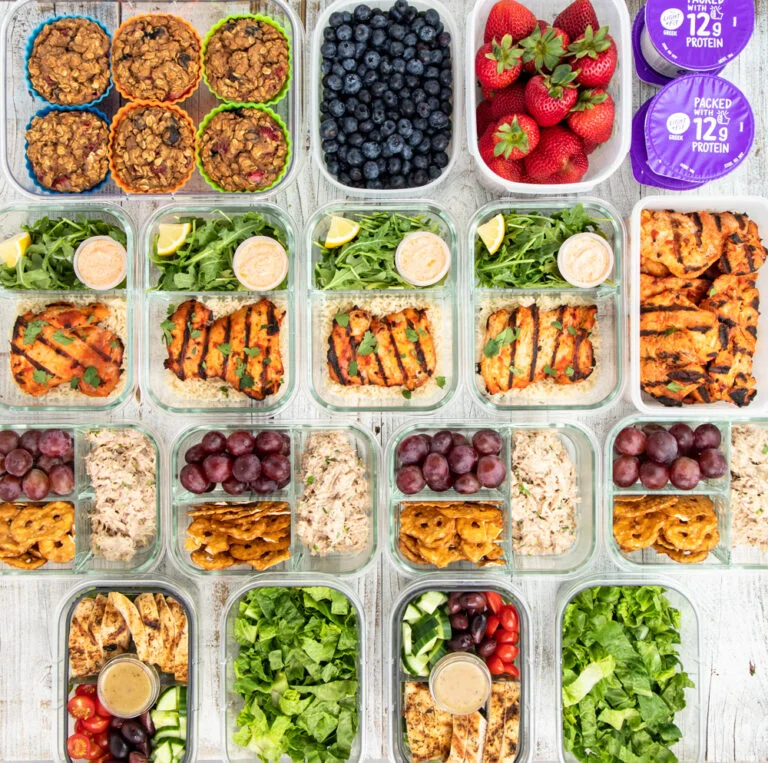
For those limiting carbohydrates, focusing on healthy fats like avocado, olive oil, and fatty fish alongside moderate protein helps maintain energy without blood sugar spikes. Including non-starchy vegetables preserves micronutrient intake crucial for metabolic health.
Tracking Energy Levels and Adjusting Your Meal Prep
Using Food Journals to Monitor Impact
Keeping a food and energy journal helps identify which meals support consistent vitality and which cause fatigue. Recording what you eat along with energy patterns enables informed adjustments to your plan.
Modifying Nutrient Ratios for Optimal Results
Based on your observations, tweaking macronutrient ratios or meal timing can improve energy stability. Some may benefit from adding more protein at breakfast, while others may find reducing carbs at dinner enhances sleep quality.
Personalization is key to sustaining energy throughout the week.


