
Understanding the Importance of Balanced Lunchboxes
Why Nutrition Matters for School-Aged Children
Nutrition plays a pivotal role in the growth and development of school-aged children. At this stage, kids need a steady supply of essential nutrients to support their physical health and cognitive functions. A balanced lunchbox provides the energy needed to stay focused during classes and helps maintain their stamina throughout the day. Skipping out on proper nutrition can lead to fatigue, difficulty concentrating, and even affect behavior.
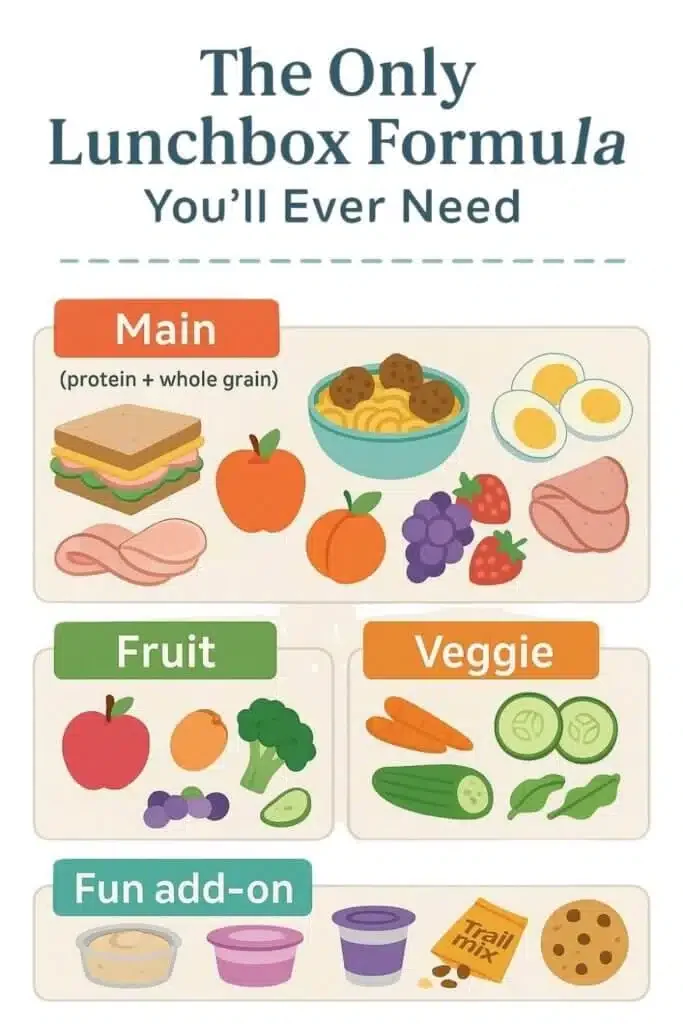
Moreover, lunchtime is often the main opportunity for children to refuel after a busy morning. Providing a well-structured meal during this time ensures they get the right balance of nutrients to keep learning and playing with enthusiasm. It’s not just about filling their stomachs; it’s about fueling their potential.
Long-Term Benefits of Healthy Eating Habits
Establishing healthy eating habits early on sets the foundation for a lifetime of wellness. Children who consistently enjoy balanced meals are more likely to retain those nutritious choices into adulthood. This can reduce the risk of chronic illnesses such as obesity, diabetes, and heart disease later in life.
Aside from physical health, balanced nutrition supports emotional well-being and improves academic performance. When kids eat well, they tend to have better mood stability and greater mental clarity. These benefits highlight why crafting nourishing lunchboxes is more than a daily chore—it’s an investment in a child’s future.
Key Components of a Nutritious Lunchbox
Proteins, Carbohydrates, and Healthy Fats Explained
A truly balanced lunchbox combines proteins, carbohydrates, and healthy fats to cover all nutritional bases. Proteins like lean meats, beans, or dairy help build and repair body tissues, making them vital for growing children. Carbohydrates provide the primary source of energy, best sourced from whole grains or starchy vegetables for a steady release.
Healthy fats found in nuts, seeds, and avocados support brain development and keep kids feeling satisfied longer. Including a mix of these macronutrients creates meals that are not only nourishing but also satisfying, reducing the urge for sugary snacks later in the day.
Incorporating Fruits and Vegetables Creatively
Fruits and vegetables are an indispensable part of any lunchbox thanks to their vitamins, minerals, and fiber. The challenge often lies in making these colorful foods appealing. Offering a variety of shapes, colors, and textures can make eating fruits and veggies more exciting for kids.
For example, slicing vegetables into fun shapes, pairing crunchy raw options with flavorful dips, or mixing fruits into yogurt parfaits can encourage children to eat more of these nutrient-rich foods. Seasonal produce also adds freshness and variety, making the lunchbox feel new and special throughout the year.
Practical Strategies to Make Lunchboxes Kid-Friendly
Tasty and Appealing Meal Ideas
Kids are naturally drawn to meals that look inviting and taste good, so presentation matters. Sandwiches made with whole grain bread and filled with colorful ingredients like turkey, cheese, and spinach can be a hit. Bento-style lunchboxes that separate foods into compartments encourage kids to try everything on their plate.
Mixing familiar favorites with small portions of new foods helps broaden their palate without overwhelming them. Including fun dips like hummus or guacamole not only adds flavor but also makes eating vegetables more engaging.
Involving Kids in Lunchbox Preparation
One of the best ways to ensure kids enjoy their lunch is by involving them in the preparation process. When children help choose and pack their meals, they feel empowered and are more likely to eat what’s made. This also provides an opportunity to educate them about nutrition in a hands-on way.
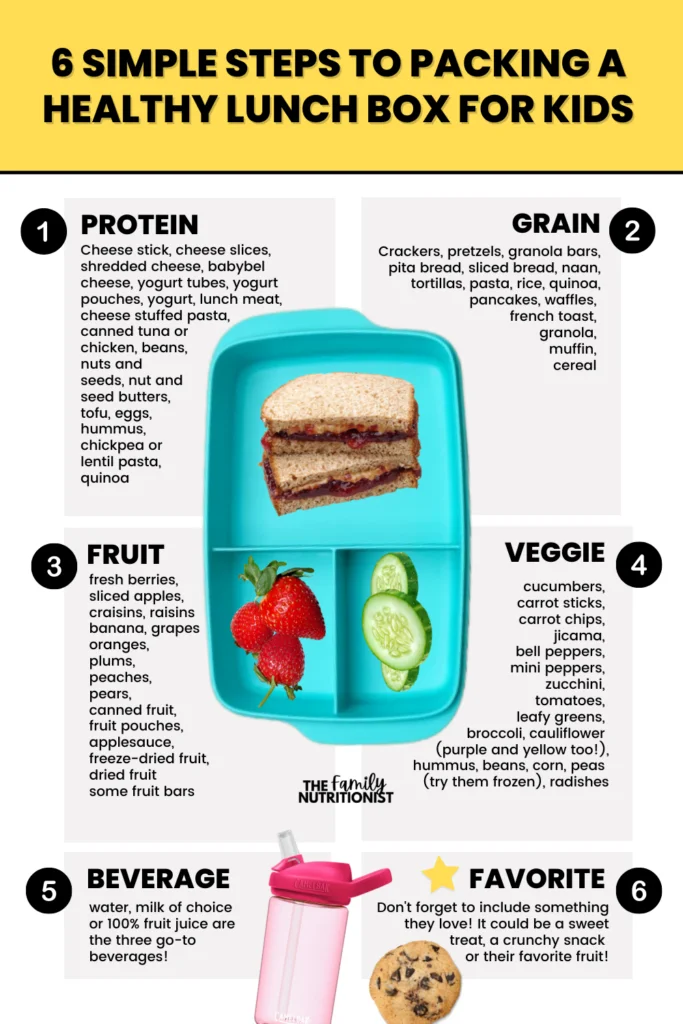
Simple tasks such as selecting fruits, assembling wraps, or arranging snacks can make the experience enjoyable. Plus, it encourages them to express their preferences and try new recipes, transforming lunchtime into a fun and collaborative routine.
Overcoming Common Challenges
Dealing with Picky Eaters
Picky eating can be a frustrating obstacle, but patience and creativity go a long way. Introducing new foods slowly and pairing them with favorite items can reduce resistance. Understanding that taste preferences evolve helps parents avoid pressure tactics that might backfire.
Offering choices rather than imposing meals empowers children to feel in control. Sometimes, simply changing the texture or preparation method of a disliked food—like switching from raw to roasted vegetables—can make a difference. Consistency and positive reinforcement are key to expanding their diet over time.
Time-Saving Tips for Busy Parents
Balancing work, household duties, and meal prep can make packing lunchboxes feel overwhelming. Planning ahead is essential. Preparing ingredients in bulk during the weekend, such as chopping veggies or cooking grains, saves precious weekday time.
Using versatile ingredients that can be combined in multiple ways prevents lunch monotony. Quick recipes like wrap sandwiches or salads can be assembled in minutes. Investing in quality containers that keep food fresh and separate also streamlines the process, avoiding last-minute scrambling.
Beyond Nutrition: Enhancing the Lunchbox Experience
Adding Variety with Seasonal Ingredients
Seasonal ingredients not only taste better but also introduce natural variety to lunchboxes. When fruits and vegetables are in season, they are usually more affordable and flavorful. Incorporating seasonal flavors can turn a routine meal into an exciting one that kids look forward to.
Adjusting the lunchbox contents with the changing seasons also offers nutritional diversity, ensuring that kids receive a broad spectrum of vitamins and minerals. Think crisp apples and pears in the fall, juicy berries in spring, and fresh cucumber or tomatoes in summer.
Eco-Friendly and Safe Lunchbox Packaging Options
Choosing the right packaging can enhance both the safety and sustainability of school lunches. Reusable containers made from BPA-free materials help reduce waste and keep food fresh throughout the day. Cloth snack bags and stainless steel boxes are popular eco-friendly alternatives to single-use plastics.
Parents should also ensure that packaging is easy for kids to open and close, encouraging independence. By selecting durable and non-toxic options, lunchboxes become not only healthier meals but also kinder to the environment and safe for young hands.


