
Understanding Oily Skin: The Basics
What Causes Oily Skin?
Oily skin results from an overproduction of sebum, the natural oil produced by sebaceous glands. This excess oil is often triggered by hormonal fluctuations, genetics, stress, and environmental factors such as humidity. Sebum plays an important role in protecting and moisturizing the skin, but when produced in abundance, it can lead to a shiny complexion and clogged pores.
Common Challenges with Oily Skin
Living with oily skin can be frustrating due to issues like persistent shine, enlarged pores, and frequent breakouts. The excess oil can cause makeup to slide off quickly and may contribute to blackheads and acne. Additionally, oily skin sometimes leads people to either over-cleanse or use harsh products in an attempt to control the oiliness, which often worsens the problem by stripping the skin’s natural barrier.
Key Principles of an Effective Morning Skincare Routine
Importance of Consistency
Building a simple morning skincare routine is only effective when followed consistently. Oily skin requires gentle, daily care to maintain a balanced complexion. Skipping steps or frequently changing products can disrupt your skin’s natural harmony, leading to fluctuating oil levels and irritation. Consistency helps the skin adapt to the routine, optimizing results over time.
Selecting the Right Products for Oily Skin
Not every product suits oily skin. Choosing formulas that are lightweight, non-comedogenic, and designed to control oil is essential. Avoiding overly greasy or heavy creams prevents pore blockage and excess shine. Ingredients like salicylic acid, niacinamide, and witch hazel can help regulate oil production while calming any inflammation.
Step-by-Step Guide to Building Your Routine
Step 1: Cleansing Techniques and Product Suggestions
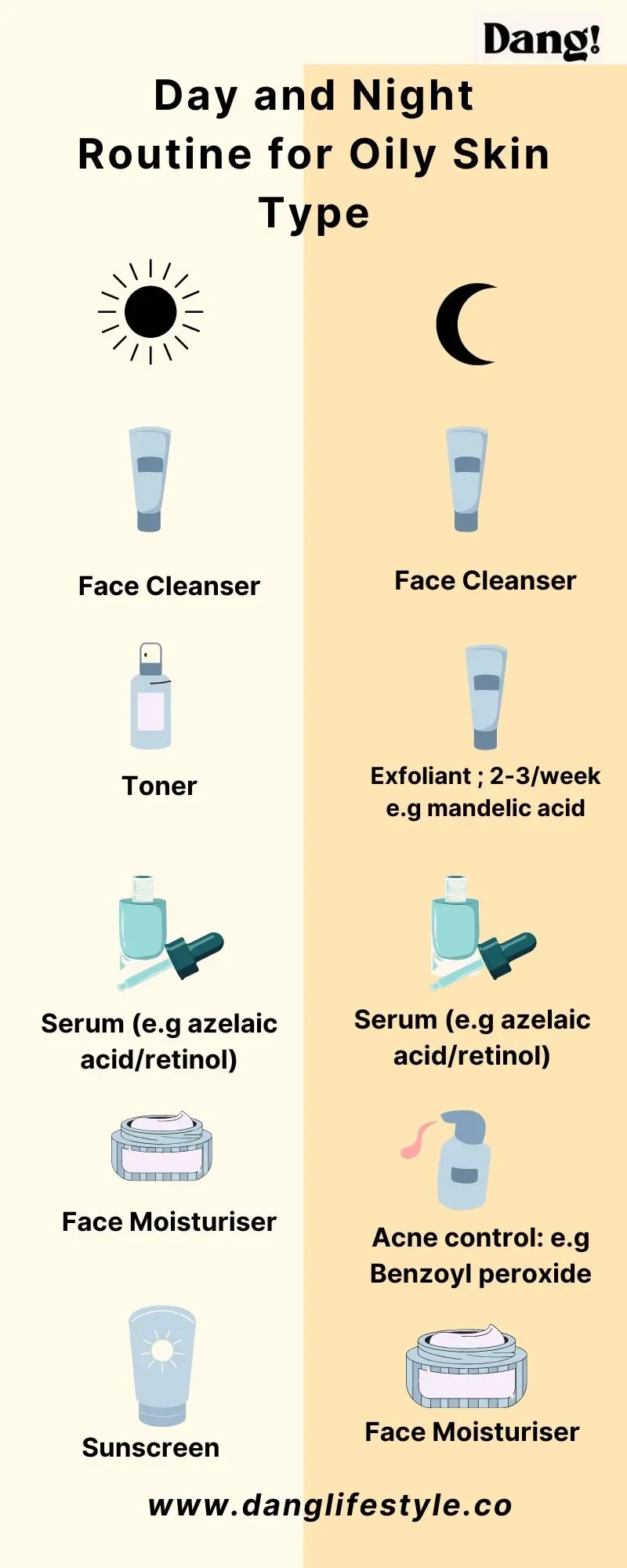
The first step is gentle cleansing. Over-washing can strip the skin, triggering even more oil production. Use a mild foaming or gel cleanser that effectively removes excess oil and impurities without drying out your skin. Cleansing once in the morning is sufficient; a second cleanse should be reserved for the evening. Look for products containing salicylic acid or tea tree oil, as these ingredients help to unclog pores and reduce shine.
Step 2: Toners and Their Role in Oil Control
Toners can be very beneficial when chosen correctly. For oily skin, alcohol-free toners that contain astringent ingredients help tighten pores and reduce excess sebum without causing dryness. Witch hazel and niacinamide are excellent choices as they soothe the skin while controlling oil. Applying toner right after cleansing balances your skin’s pH and prepares it for moisturizers and sun protection.
Step 3: Choosing Lightweight Moisturizers
It might seem counterintuitive to moisturize oily skin, but skipping this step can make oiliness worse. Lightweight, oil-free moisturizers hydrate the skin without clogging pores or adding shine. Gel-based or water-based formulas absorb quickly and help maintain skin moisture, which controls the body’s tendency to overproduce sebum as a compensatory response.
Step 4: Applying Sunscreen Without Excess Shine
Sunscreen is vital but can be tricky for oily skin. Heavy sunscreens may leave a greasy finish, leading to discomfort and shine. Opt for matte-finish, oil-free sunscreens designed specifically for oily or acne-prone skin. Applying it as the last step of your routine ensures protection while keeping your face looking fresh all day. Remember to apply a sufficient amount evenly for effective coverage.
Tips to Ensure Your Skincare Routine Lasts All Day
Mattifying Ingredients to Look For

Integrate mattifying ingredients in your products to maintain a shine-free complexion throughout the day. Substances like silica, kaolin clay, and zinc oxide absorb excess oil without drying out the skin. When selecting primers or powders to layer over your skincare, these ingredients help prolong the matte effect and improve makeup adherence.
Best Practices to Avoid Over-Oiling
To prevent your skin from becoming excessively oily during the day, avoid touching your face frequently, as this transfers oils and dirt. Regularly blotting your skin with oil-absorbing sheets can manage shine without disrupting your skincare. Also, avoid heavy makeup that can trap oil and exacerbate pore congestion. Keeping a balanced diet and staying hydrated supports healthy skin and reduces oil flare-ups.
Common Mistakes and How to Avoid Them
Over-Washing and Skin Irritation
One of the most common errors is washing the face too often or using harsh cleansers. This strips away the natural oils, causing the skin to react by producing even more sebum. Stick to gentle cleansing once in the morning and once at night, using products formulated specifically for oily skin. This helps maintain the skin’s protective barrier and prevents irritation.
Using Heavy Products That Clog Pores
Many with oily skin fall into the trap of using thick creams to combat dryness or over-moisturize. These heavy products can clog pores, leading to breakouts and a greasy appearance. Instead, select non-comedogenic, lightweight options. Testing new products on a small skin area first can prevent adverse reactions and ensure your routine supports clear, balanced skin.


