
Understanding the Basics of Bodyweight Training
Why Choose Bodyweight Exercises?
Imagine John, a busy office worker who wants to build strength but struggles with time and gym expenses. Bodyweight exercises became his go-to solution. They require no equipment, making workouts accessible anywhere—from his small apartment to a local park. Bodyweight training leverages your own body resistance, creating a natural form of strength building that fits well into daily routines. This convenience is why many beginners find it the perfect entry point into fitness. Unlike machines or free weights, bodyweight exercises teach you how to control your movement and improve balance simultaneously.
Key Benefits for Beginners
For Sarah, a recent fitness enthusiast, starting with bodyweight exercises helped her avoid injury while boosting confidence. The benefits are numerous: increased muscle endurance, better joint mobility, and enhanced core stability. Bodyweight training also improves coordination, helping beginners develop a strong foundation to tackle more advanced workouts later. Plus, it’s easier to track progression through reps or difficulty modifications, which keeps motivation high during the early stages.
Anatomy of Effective Bodyweight Movements
Effective bodyweight movements aren’t just about moving limbs repetitively. It’s about engaging the right muscles with proper form. Take the classic push-up, for example. It involves the chest, shoulders, triceps, and core working together. Engaging your core correctly stabilizes the movement and prevents strain on your lower back. Understanding this coordination is essential when building strength, as it ensures each exercise is maximizing its impact safely. This connection between mind and muscle is what makes bodyweight training so dynamically effective.
Preparing Your Body for Strength Building
Warm-Up Routines to Prevent Injury
Before jumping into strength exercises, Lisa learned the importance of warming up. Without it, her muscles felt tight and she risked strains. A proper warm-up increases blood flow, loosens joints, and primes your nervous system for exertion. Simple routines like dynamic stretching, arm circles, or leg swings done for 5-10 minutes can dramatically reduce injury risk. For instance, adding a quick set of jumping jacks or bodyweight squats can elevate your heart rate and prepare your muscles for more intense work.
Essential Equipment and Space Setup
While bodyweight workouts need little gear, having a dedicated space can improve focus and performance. Mark, who trained at home, cleared a corner of his living room, rolled out a yoga mat, and kept a sturdy chair nearby for support during exercises like step-ups. Minimal equipment such as a mat for comfort, resistance bands for progression, or a pull-up bar for upper-body work can enhance your routine without complicated setups. The key is making your environment inviting and safe for smooth exercise flow.
Progressive Strength Training with Bodyweight
Foundational Exercises to Start With
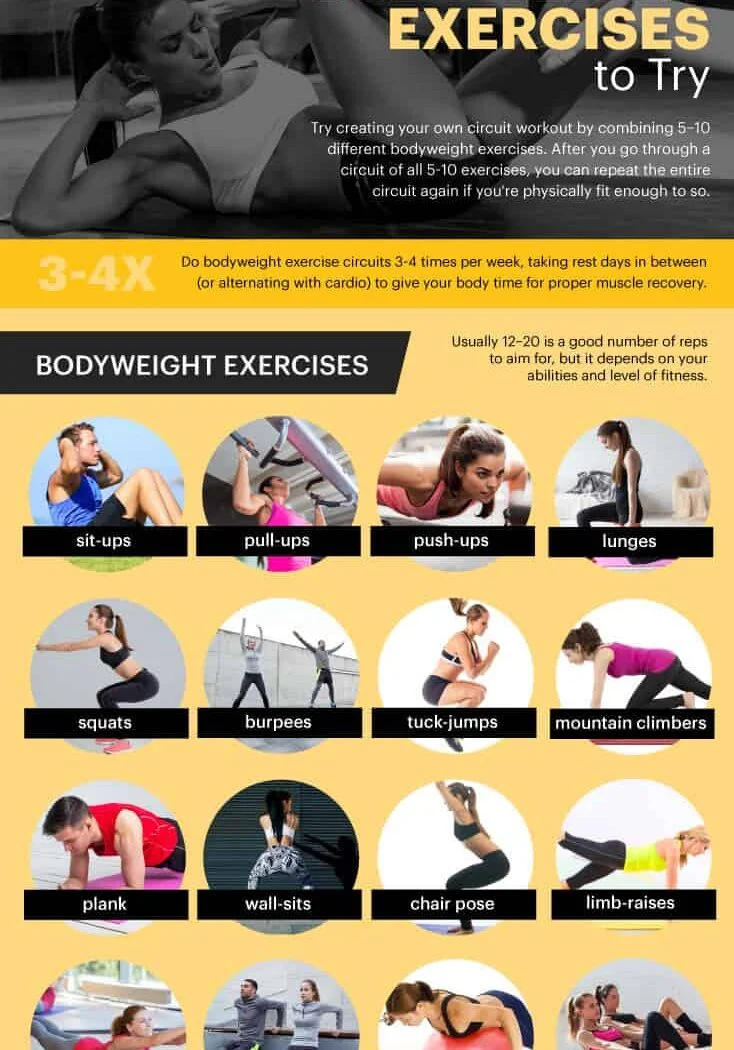
For beginners, mastering basic moves is crucial. Take Amy, who began with wall push-ups before advancing to standard push-ups to build upper body strength. Squats are another cornerstone, targeting the legs and glutes while improving joint health. Planks develop core stability, essential for overall strength. These foundational exercises act as building blocks, creating the muscle control and endurance needed to handle more complex movements down the line.
How to Modify Exercises for Different Skill Levels
One of the strengths of bodyweight training is its adaptability. For example, if doing a full push-up feels too challenging, lowering the knees or performing incline push-ups against a table can reduce difficulty. Conversely, adding tempo changes or increasing reps can increase intensity as you progress. Modifications like single-leg squats or elevated planks help meet your body’s specific needs. Tina found that adjusting exercises based on her daily energy levels kept her consistent and prevented burnout.
Creating a Weekly Workout Plan
Consistency was what helped David transform from a novice to a stronger version of himself. He scheduled workouts three times a week, alternating between upper body, lower body, and core-focused sessions. Rest days allowed his muscles to recover, essential for strength gains. A balanced weekly plan might look like this: day one for push-ups and planks, day two for squats and lunges, followed by rest or light cardio, then repeating with slight variations. Sticking to a plan builds habit and ensures gradual progress.
Tracking Progress and Staying Motivated
Measuring Strength Gains Without Weights
Without a gym’s weight plates, monitoring progress can feel tricky. However, tracking the number of repetitions, sets, or the quality of movement works just as well. For instance, John realized he went from 5 slow, shaky push-ups to 15 controlled ones in a month. Recording such improvements in a journal or fitness app gives tangible proof of development. Additionally, noting increased hold times on planks or reduced rest intervals are excellent indicators of growing strength.
Common Challenges and How to Overcome Them
Many beginners, like Emily, face plateaus or lose motivation after a few weeks. Overcoming these hurdles often requires varying workouts, setting small, achievable goals, and celebrating milestones, no matter how minor. Another challenge is improper form, which can cause soreness or injury. Seeking guidance through online tutorials, fitness communities, or coaching helps maintain correct technique. Recognizing that progress isn’t always linear but a winding path can help maintain a positive mindset.
Advanced Techniques for Continued Growth
Incorporating Plyometrics and Isometrics
Once the basics are solid, introducing plyometric exercises like jump squats or clap push-ups can boost power and explosiveness. These movements recruit fast-twitch muscle fibers and add variety, preventing boredom. Isometric holds, such as wall sits or static planks, build endurance and mental toughness by maintaining tension over time. Both forms add a new challenge to bodyweight training, helping experienced beginners break through plateaus and develop functional strength.
Transitioning to More Complex Movements
After months of consistent practice, Sarah began experimenting with challenging moves like pistol squats and handstand holds. These require balance, flexibility, and strength, making them perfect goals to work toward. Progressing to complex exercises should be gradual. For example, mastering negative reps—lowering slowly into a one-legged squat—builds control and confidence. Transitioning this way ensures safety and makes the journey rewarding, opening the door to advanced calisthenics or even gymnastics-style training.


