
Understanding the Impact of Screen Time on Sleep Quality
How Blue Light Disrupts Circadian Rhythm
Imagine Sarah, a marketing executive who frequently checks her smartphone late into the evening. She often finds herself tossing and turning after scrolling through social media. The culprit in her restless nights is the blue light emitted from her devices. Blue light plays a significant role in regulating our circadian rhythm — the body’s internal clock that dictates sleep and wake cycles. Exposure to blue light in the hours before bedtime signals to the brain that it’s still daytime, suppressing the production of melatonin, the hormone responsible for inducing sleepiness. As a result, Sarah’s natural sleep pattern is delayed, making it harder for her to fall asleep comfortably.
The Connection Between Screen Use and Insomnia
John, a university student, often uses his laptop and phone until late at night while preparing for exams. Over time, he noticed difficulty initiating sleep and staying asleep throughout the night. This is a common scenario where prolonged screen use before bed exacerbates or even triggers insomnia. Beyond the biological effects of blue light, engaging content such as videos, games, or work-related emails can increase cognitive arousal, making it challenging for the mind to transition into a relaxed, restful state. These combined factors can lead to chronic sleep disturbances and fatigue during the day.
Effective Behavioral Strategies to Reduce Pre-Bed Screen Exposure
Establishing a Digital Curfew
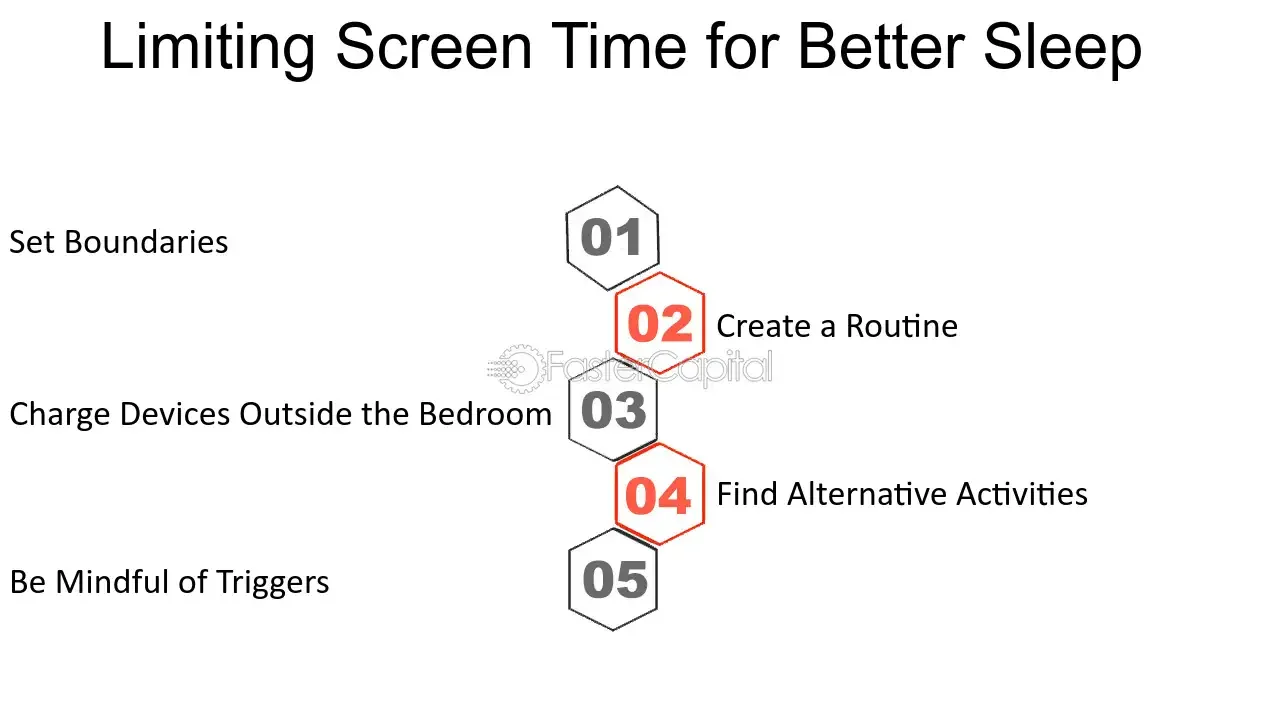
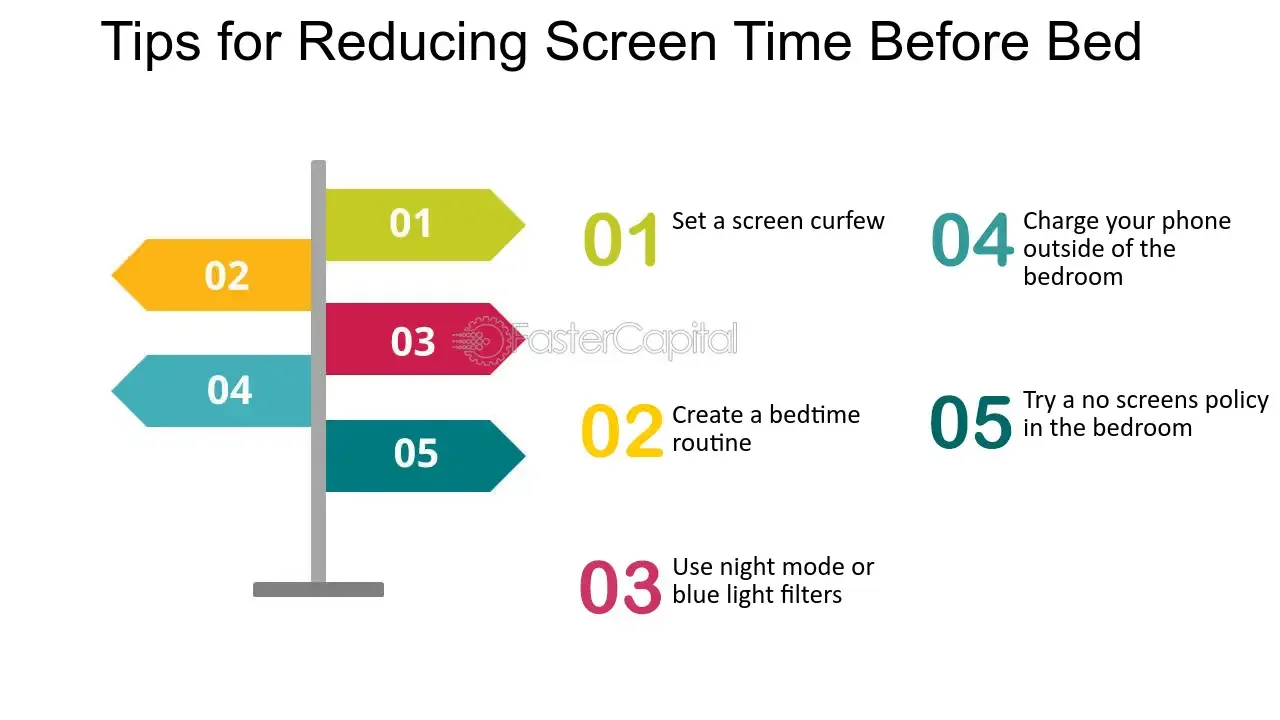
Lydia, a freelance writer, decided to implement a “digital curfew” to counteract her ongoing sleep problems. She chose to power down all screens by 9 PM every evening. The first few nights were tough, as she was used to catching up on news and entertainment late at night. However, by creating a routine where she gradually disengaged from digital devices, Lydia found herself more relaxed and falling asleep faster. A digital curfew acts much like a traditional bedtime, signaling to the body that it’s time to wind down and promoting a smoother transition to restful sleep.
Incorporating Alternative Relaxation Practices
After turning off her phone early, Lydia replaced screen time with calming activities such as reading a physical book, journaling, or practicing gentle yoga stretches. These practices offer a calming focus away from stimulating digital input. For example, deep breathing exercises can lower heart rate and reduce stress hormones, preparing the body for rest. This shift helped Lydia disconnect mentally and physically from the day’s demands, creating a natural path to sleep without relying on screens.
Setting Realistic Screen Time Goals
Tom, a software engineer, struggled with an “all-or-nothing” mindset. Initially, he aimed to eliminate all screens two hours before bed, but his work often ran late, making this goal impractical. Instead, Tom adopted a flexible approach by setting incremental limits—reducing screen time by 15 minutes each week until he reached a comfortable cutoff time. Setting achievable goals like these helps avoid frustration and lapses, encouraging sustainable habits that fit into real-life schedules.
Technological Tools to Support Screen Time Limitation
Using Night Mode and Blue Light Filters
Many devices now offer built-in night modes or blue light filters that adjust screen colors to warmer tones after sunset. For instance, Emily, a graphic designer, enabled night mode on her phone and laptop to lessen eye strain during late-night work sessions. While this technology doesn’t replace the benefits of reducing screen time, it can ease the negative effects of blue light when avoiding screens isn’t always possible. Users should remember that these filters are tools, not a solution to unlimited screen exposure.
Apps and Devices That Monitor and Limit Usage
David, a busy manager, turned to apps designed to track and limit screen use. Tools like “Screen Time” on iOS or “Digital Wellbeing” on Android devices helped him visualize his usage patterns and set daily limits for specific apps. Some devices even lock access during designated “downtime” periods, reinforcing behavioral changes. These technological aids provide accountability and structure, making it easier to stick to screen time goals without relying solely on willpower.
Creating a Technology-Free Bedroom Environment
Bedroom as a Sanctuary: The Role of Physical Device Placement
Rebecca found that having her phone charging on the bedside table tempted her to check notifications repeatedly, delaying sleep. By moving her devices to another room or at least out of arm’s reach, she removed the physical temptation to engage with screens. Treating the bedroom as a sanctuary dedicated to rest eliminates distractions and reinforces the mental association between the bedroom and sleep. This separation is critical in developing a bedtime routine conducive to relaxation.
Designing a Sleep-Friendly Atmosphere
Besides device placement, the bedroom environment itself can impact restfulness. Dimming lights, using blackout curtains, and maintaining a comfortable temperature all contribute to a calming atmosphere. Mark, who struggled with poor sleep, invested in soft lighting and soothing sounds like white noise to help him relax. These environmental factors support the body’s readiness for sleep, helping offset the residual alertness caused by any evening screen exposure.
Long-Term Benefits of Reducing Screen Time Before Bed
Improved Sleep Quality and Daytime Alertness
Over months, Sarah, Lydia, and David each noticed improvements not only in the ease of falling asleep but also in the depth of their sleep. By limiting screen time, their bodies could follow natural sleep cycles more effectively, reducing nighttime awakenings and promoting restorative rest. This quality sleep translated into increased daytime alertness, enhanced focus at work, and reduced feelings of exhaustion. Their experiences highlight the profound difference that simple behavioral changes can make in overall wellbeing.
Enhanced Mental Health and Mood Stability
Consistent, restful sleep gained from minimizing pre-bed screen exposure also supports emotional balance. Tom observed fewer mood swings and less anxiety as his sleep habits improved. The calming bedtime routines helped reduce the rumination and overstimulation often associated with late-night digital interactions. Over time, better sleep patterns contribute to greater mental resilience, improved mood stability, and a more positive outlook, forming a virtuous cycle that benefits both mental and physical health.


