
Understanding the Importance of Micro-Breaks
What Are Micro-Breaks?
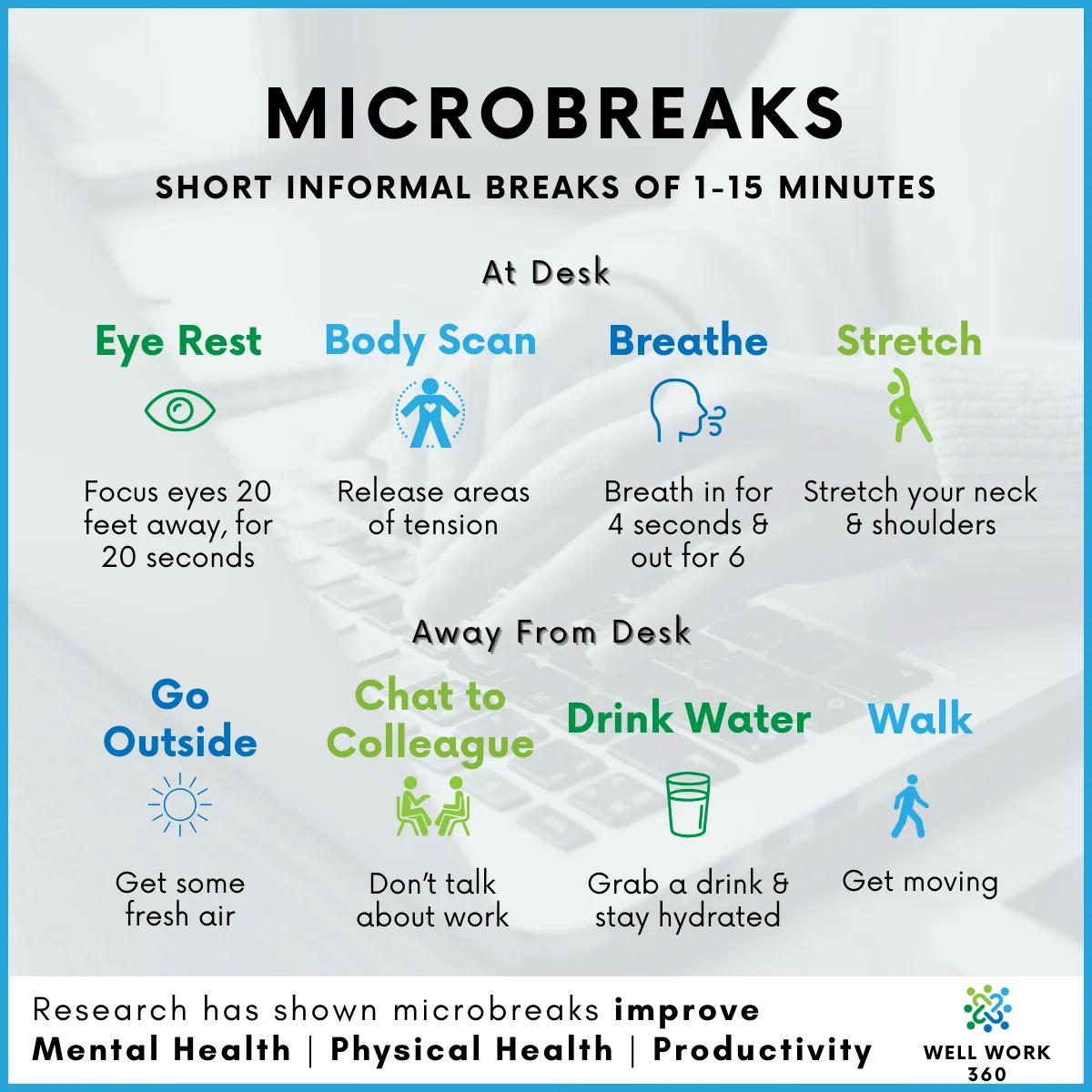
Micro-breaks are brief pauses taken throughout the workday, typically lasting anywhere from 30 seconds to a few minutes. These short intervals offer a moment to step away from your tasks, allowing your mind and body a chance to reset. Unlike longer breaks or lunch hours, micro-breaks are designed to be quick yet frequent, seamlessly fitting into your workflow without disrupting productivity.
The Science Behind Mental Clarity
Our brains aren’t wired for continuous focus over extended periods. Studies show that after about 90 minutes of intense concentration, cognitive performance starts to decline. Taking micro-breaks helps counteract this by reducing mental fatigue, improving attention, and enhancing memory retention. When you step away briefly, your brain consolidates information and refreshes neural pathways, leading to clearer thinking and better problem-solving abilities.
Identifying Ideal Moments for Micro-Breaks During Work
Recognizing Signs of Mental Fatigue
It’s easy to overlook the subtle signals that indicate your brain needs a break. You might notice your thoughts wandering, frequent mistakes, or feeling overwhelmed by even simple tasks. Physical cues like eye strain, tension headaches, or restlessness are also common signs. Becoming aware of these indicators is crucial because ignoring them can lead to burnout and decreased productivity.
Optimal Timing and Duration for Micro-Breaks
While there’s no one-size-fits-all schedule, many find taking a micro-break every 25 to 60 minutes effective. These breaks can be as short as 30 seconds or extend up to five minutes. The key is consistency—regularly allowing yourself these brief pauses before fatigue sets in. Experimenting with timing can help you discover what works best for your workload and energy levels.
Simple Yet Powerful Micro-Break Activities
Physical Movement and Stretching
Sometimes all it takes is a few stretches or a brief walk to revive your mind. Physical movement increases blood flow, which boosts oxygen delivery to the brain. Simple activities like rolling your shoulders, stretching your arms, or standing up to walk around the room can alleviate muscle tension and improve alertness.
Mindfulness and Breathing Exercises
Taking a micro-break doesn’t always mean moving around. Mindfulness exercises, such as deep breathing or focusing on your senses, can quickly reduce stress and center your thoughts. Even a minute of intentional breathing can lower cortisol levels and help you regain focus, making your next work session more productive.
Visual and Creative Breaks
Engaging your eyes differently or shifting to a creative task can work wonders. Looking out a window, observing natural scenes, or doodling can stimulate different brain areas and inspire new ideas. These activities allow your mind to wander in a controlled way, promoting relaxation while keeping your creativity alive.
Tips for Seamlessly Integrating Micro-Breaks into Your Routine
Using Technology for Reminders
Incorporating micro-breaks can be challenging if you get deeply engrossed in your work. Technology comes to the rescue here. Apps and timers specifically designed to prompt breaks can serve as gentle nudges. Using tools like the Pomodoro technique or simple alarms helps build the habit and keeps your breaks consistent without feeling forced.
Setting Boundaries to Protect Break Times
It’s easy to let break times slip away when deadlines loom or colleagues need attention. Setting clear boundaries is essential to protect these moments. Communicate with your team about your break schedule, mute notifications, or signal when you’re off for a short pause. Treating micro-breaks as non-negotiable parts of your workflow ensures they don’t become the first thing sacrificed.
Measuring the Impact of Micro-Breaks on Work Performance
Tracking Productivity Improvements
Once you start incorporating micro-breaks, it helps to observe how they influence your work. You might notice a drop in errors, faster task completion, or enhanced creativity. Keeping a simple journal or using productivity trackers can reveal patterns and motivate you to maintain these healthy habits.
Enhancing Overall Well-being Through Breaks
Beyond productivity, micro-breaks contribute significantly to your mental and physical health. Regular pauses reduce stress levels, prevent burnout, and promote a balanced workday experience. Over time, this fosters a sustainable approach to work, where clarity and well-being go hand in hand.


