
Understanding the Impact of Distractions on Remote Work Productivity
Common Sources of Distractions in a Home Office
Working from home introduces unique distractions that can impede productivity. Household chores, family members, pets, and the temptation of personal devices often interrupt focused work. Unlike traditional offices, home environments lack formal boundaries, making it easier to drift away from tasks.
Psychological Effects of Constant Interruptions
Repeated interruptions disrupt mental flow and increase cognitive load. This leads to frustration, reduced motivation, and heightened stress levels. Over time, chronic distraction can cause burnout, negatively affecting both the quality of work and overall well-being.
The Correlation Between Focus and Work Efficiency
Maintaining sustained focus directly boosts work efficiency. When attention is uninterrupted, tasks are completed faster, errors decrease, and creativity rises. Enhancing concentration is therefore crucial to achieving better results in a home setting.
Designing an Environment That Promotes Concentration
Choosing the Ideal Workspace Setup
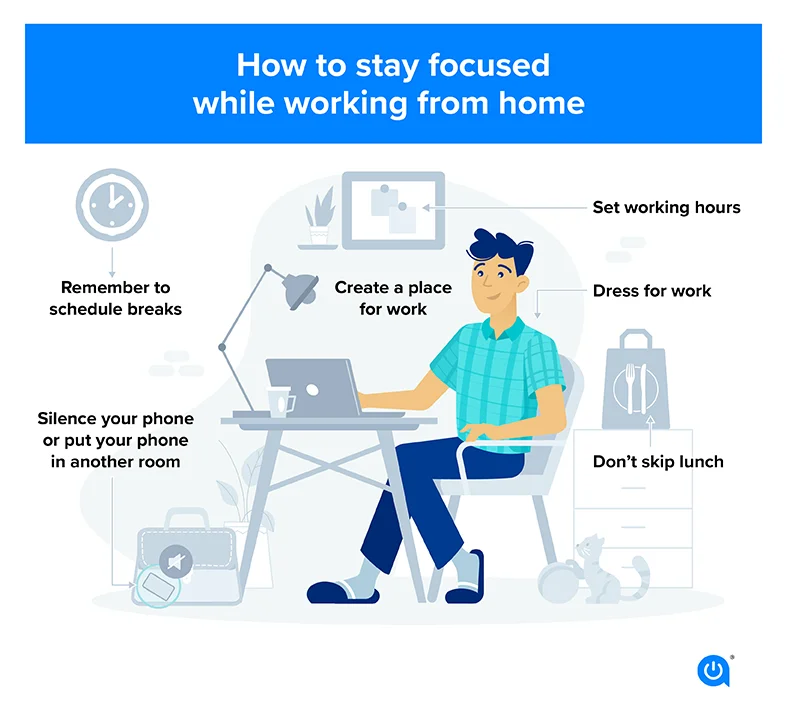
Creating a dedicated workspace signals your brain to switch into work mode. Select a quiet, well-lit area away from high-traffic zones. Keep your desk organized, and reserve it solely for work to avoid associations with leisure activities.
Ergonomics and Its Role in Sustained Focus
Comfortable seating and proper desk height reduce physical strain, which helps maintain mental focus. Ergonomic setups prevent fatigue and discomfort that might otherwise distract you. Investing in ergonomic tools supports longer periods of productive work.
Minimizing Noise: Tools and Techniques
Background noise can be a major focus breaker. Using noise-cancelling headphones or white noise machines helps block disturbances. Additionally, soundproofing your workspace or communicating quiet times to household members enhances concentration.
Time Management Tactics to Maximize Focus
Implementing the Pomodoro Technique for Work Sprints
The Pomodoro Technique divides work into short, timed intervals separated by breaks, fostering sustained focus. This balance prevents burnout and maintains high levels of attention. Working in sprints encourages urgency and discourages procrastination.
Prioritization Methods: Eisenhower Matrix and Time Blocking
Prioritizing tasks reduces overwhelm and guides your daily efforts. The Eisenhower Matrix categorizes tasks by urgency and importance, clarifying what to tackle first. Time blocking allocates specific periods for activities, ensuring dedicated focus without multitasking.
Setting Boundaries with Family and Roommates
Clear communication about your work hours helps minimize interruptions. Establishing rules for when you can and cannot be disturbed respects your need for concentration. Boundaries foster an environment of mutual respect, enabling uninterrupted productivity.
Leveraging Technology to Reduce Distractions
Apps and Extensions That Block Distracting Websites
Websites and social media often divert attention unexpectedly. Tools like website blockers allow you to restrict access during work periods. These apps help create an online environment free from temptations, keeping you committed to tasks.
Using Task Management Software to Stay Organized
Task management apps provide clarity by tracking deadlines and progress. Organized workflows reduce mental clutter and enable you to focus on one responsibility at a time. Digital planning streamlines your day and prevents task overlap.
Optimizing Notifications to Avoid Interruptions
Constant notifications disrupt concentration. Disabling non-essential alerts or using “Do Not Disturb” modes during work periods minimizes distractions. Managing your digital environment intentionally supports continuous focus.
Mindfulness and Mental Practices for Enhanced Concentration
Incorporating Meditation and Breathing Exercises
Meditation trains the mind to return to the present moment, reducing susceptibility to distraction. Simple breathing exercises calm anxiety and improve mental clarity. Regular practice enhances resilience to interruptions and deepens focus.
Regular Breaks: Why Step Away to Focus Better?
Taking breaks replenishes cognitive resources and prevents fatigue. Stepping away periodically boosts creativity and problem-solving abilities. Strategic pauses prevent diminishing returns on effort, making your overall work more effective.
Building a Routine for Consistent Mental Clarity
Establishing consistent daily habits primes your brain for work. A regular routine reduces decision fatigue and eases transitions between tasks. Over time, this consistency supports stronger concentration and reduces the impact of distractions.


