
Understanding the Importance of Consistent Bedtime Routines
How Routines Impact Sleep Quality
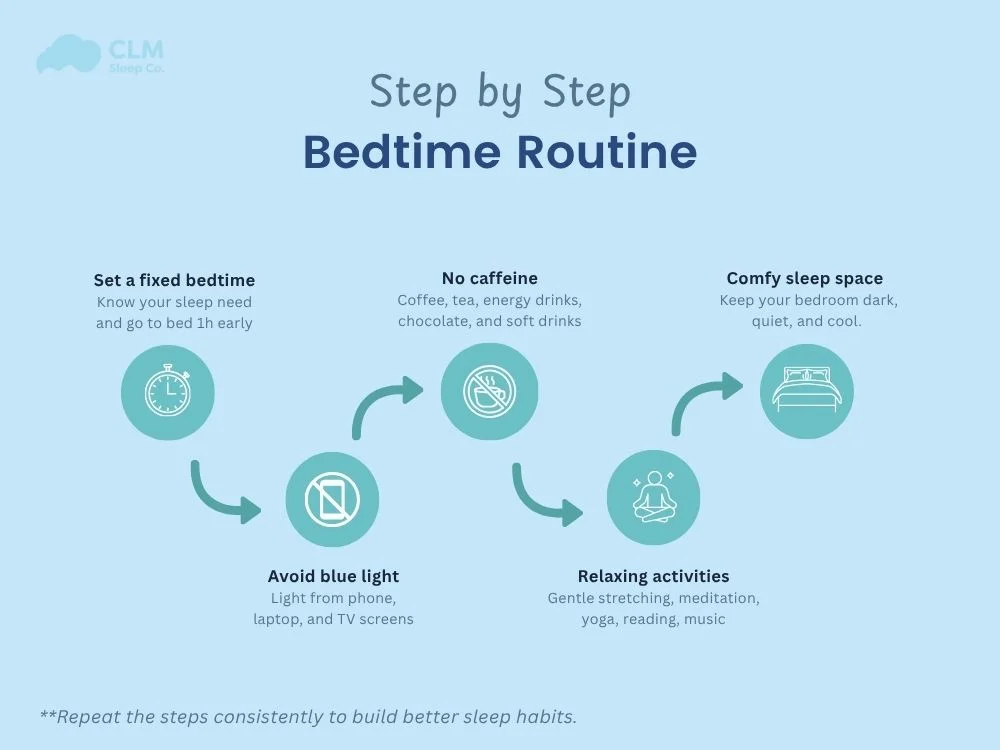
Establishing a consistent bedtime routine is fundamental to achieving restful and restorative sleep. When the body follows a predictable schedule, it helps regulate the circadian rhythm, which is the internal clock governing sleep-wake cycles. Consistency in sleep times signals the brain to prepare for rest, making it easier to fall asleep and stay asleep throughout the night. Without a routine, the body remains uncertain about when to switch to sleep mode, leading to difficulties in falling asleep and frequent awakenings.
Long-term Benefits for Mental and Physical Health
Beyond immediate sleep quality, consistent bedtime routines provide significant health advantages over time. Quality sleep supports cognitive functions such as memory, concentration, and emotional regulation. Physically, it contributes to immune system strength, cardiovascular health, and hormone balance. Habitual sleep disruptions can increase the risk of chronic conditions like obesity, diabetes, and depression, making consistent routines a crucial preventive measure for overall well-being.
Common Challenges in Establishing Bedtime Routines
Identifying Sources of Resistance
Resistance to bedtime routines often stems from a variety of psychological and environmental factors. Stress, hyperactivity, or anxiety can make it difficult for individuals to wind down. Additionally, distractions from electronic devices or engaging activities may delay the willingness to start the bedtime process. Recognizing these resistance points is essential for addressing them directly instead of merely struggling against the behavior.
Age-specific Difficulties and Solutions
Different age groups encounter unique barriers when it comes to bedtime adherence. For young children, bedtime resistance might arise from a desire for autonomy or fears related to separation. Teenagers often face shifted sleep cycles due to hormonal changes and social obligations that conflict with early bedtimes. Adults may experience inconsistent schedules because of work demands or family responsibilities. Tailoring strategies to each age group’s particular challenges ensures more effective routine adoption.
Step-by-Step Guide to Building a Resistance-Free Bedtime Routine
Setting Realistic and Adaptable Goals
One major cause of bedtime resistance is unrealistic expectations. Setting overly rigid or ambitious sleep schedules can overwhelm, resulting in frustration and pushback. Instead, start with manageable goals that gradually adjust bedtime in small increments. Flexibility is key—allow room to adapt the routine based on daily circumstances without perceiving minor deviations as failures.
Incorporating Calming Pre-Sleep Activities
Engaging in relaxation techniques before bed reduces resistance by calming both the mind and body. Activities like reading a book, gentle stretching, or practicing mindfulness meditation help lower stress hormones and transition the nervous system into a restful state. Avoid stimulating screen time or intense exercise close to bedtime, as these can increase alertness and resistance to sleep.
Using Positive Reinforcement and Incentives
Introducing positive reinforcement encourages consistent adherence to bedtime routines without confrontation. Reward systems, verbal praise, or small privileges can motivate individuals, especially children, to comply willingly. This approach shifts the focus from punishment to encouragement, making the routine more inviting and less a source of conflict.
Tailoring Routines to Individual Needs and Preferences
Considering Sensory Sensitivities and Preferences
Resistance can emerge when bedtime routines ignore individual sensory sensitivities. Some may find certain fabrics, sounds, or lighting uncomfortable, hindering relaxation. Identifying and adjusting these sensory factors—such as using soft bedding, white noise machines, or dim lighting—can significantly reduce resistance and promote comfort.
Adjusting for Busy or Irregular Schedules
Modern lifestyles often involve fluctuating routines that challenge consistent bedtimes. Travel, shift work, or family commitments can disrupt normal patterns. The solution lies in creating flexible routines that maintain core elements while allowing for occasional variations. Prioritizing a wind-down period and minimizing abrupt schedule changes helps sustain sleep quality despite irregularities.
Leveraging Environmental and Technological Aids
Creating a Sleep-Inducing Bedroom Environment
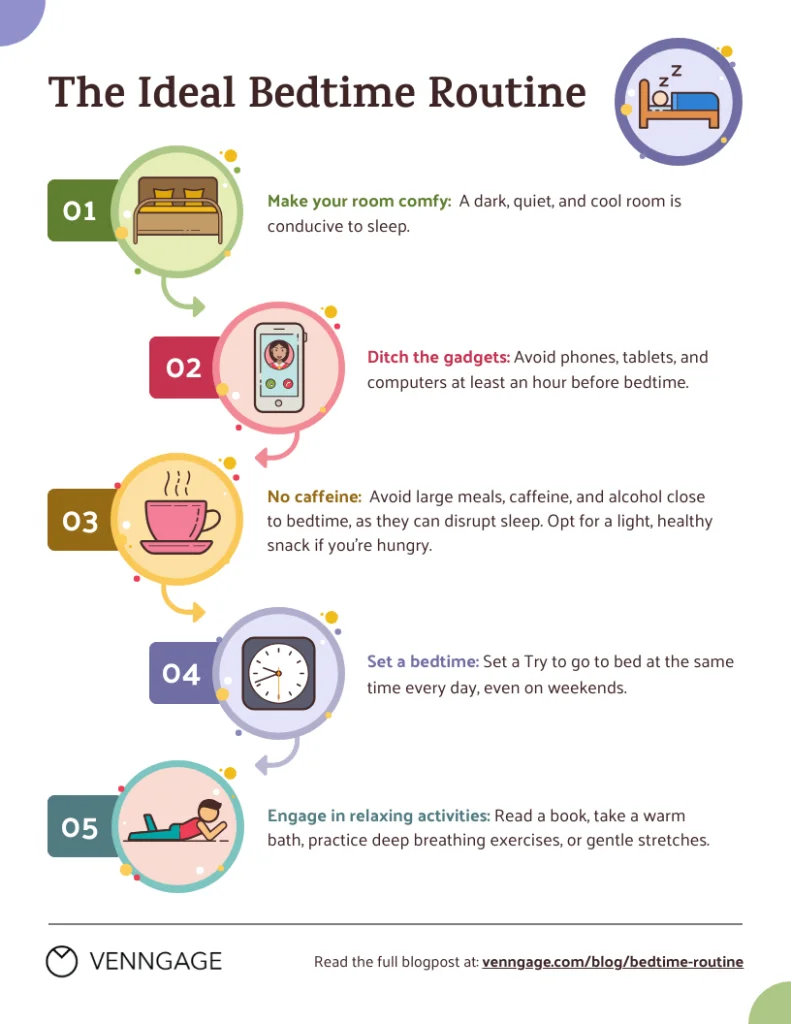
The physical environment plays a crucial role in supporting a restful bedtime routine. A bedroom that is cool, dark, and quiet signals the body to prepare for sleep. Minimizing clutter and using comfortable bedding further enhances relaxation. Proper control of noise and light can mitigate triggers that lead to resistance, helping individuals feel safe and calm as they prepare for rest.
Smart Devices and Apps to Support Consistency
When used judiciously, technology can assist rather than hinder consistent bedtime routines. Apps that provide guided meditation, track sleep patterns, or emit gentle white noise support the winding-down process. Smart lighting that gradually dims or changes color signals the transition to bedtime, aiding the body’s natural rhythm. It is important to avoid devices that emit blue light or encourage stimulation close to bed to prevent increased resistance.
Maintaining Flexibility and Persistence Over Time
Handling Setbacks Without Losing Momentum
Even the best-established routines encounter setbacks due to illness, travel, or stress. Viewing these interruptions as temporary rather than failures prevents discouragement. Returning to the routine promptly after a disruption helps maintain momentum and reinforces its importance. Patience and self-compassion are vital during these periods to avoid resistance born from guilt or frustration.
When to Reassess and Modify the Routine
Over time, needs and circumstances evolve, making it necessary to revisit and adjust bedtime routines. Signs such as increased resistance, persistent tiredness, or changes in daily life indicate it might be time for modification. Regular reassessment ensures the routine remains realistic, supportive, and tailored to current challenges. A willingness to adapt preserves the sustainability of healthy sleep habits without provoking resistance.


