
Understanding the Importance of Healthy Screen Time for Children
How Screen Time Affects Child Development
Screen time plays a significant role in children’s daily lives, especially as digital devices become more accessible. While technology provides valuable learning opportunities, excessive screen exposure can impact attention spans, sleep patterns, and social skills. Children’s brains are still developing, so balancing screen usage with other activities is crucial to support their cognitive and emotional growth.
Recognizing Signs of Excessive Screen Use
Parents should watch for signs indicating too much screen time. These include irritability when devices are unavailable, decreased interest in physical play, and trouble concentrating on tasks away from screens. Disrupted sleep or headaches may also suggest overexposure. Early recognition helps in setting healthier limits before habits become deeply ingrained.
Setting Realistic Screen Time Boundaries
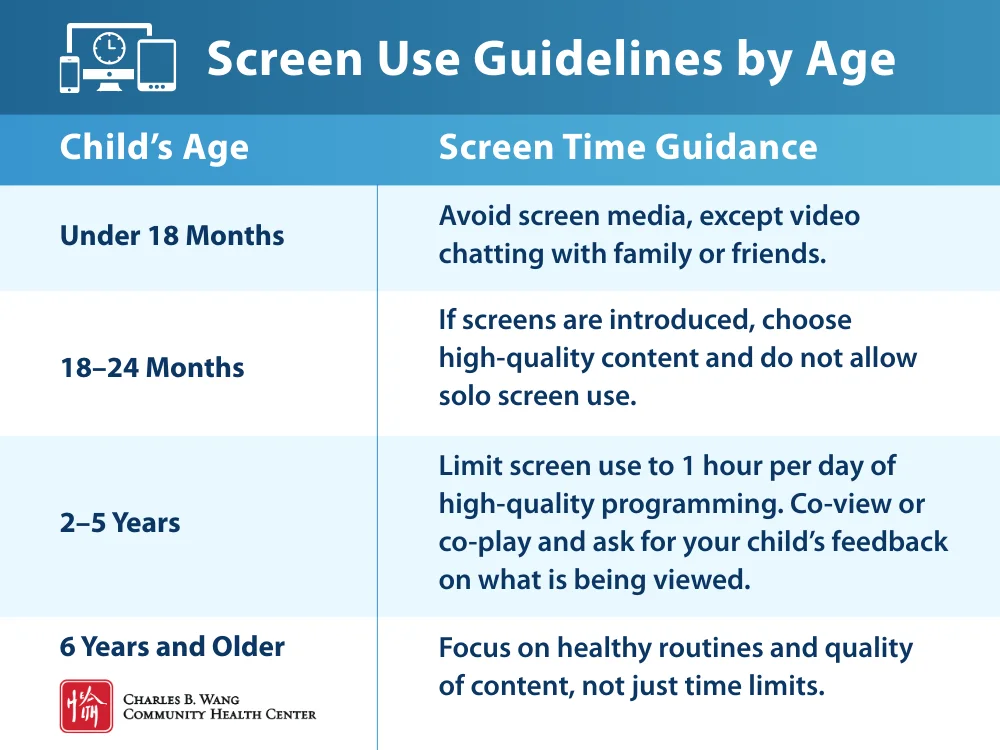
Age-Appropriate Screen Time Guidelines
Setting boundaries based on age helps ensure children get appropriate exposure without overwhelming their development. Younger children benefit from limited and supervised screen use, while older kids can handle increased, but still monitored, amounts. Tailoring limits encourages responsible habits rather than strict avoidance.
Creating a Screen Time Schedule That Works
Developing a consistent daily routine with clear screen time blocks helps children understand expectations. Including breaks and screen-free periods supports balance. Flexibility is key; schedules can adjust according to family routines or special occasions but maintaining guidelines provides stability.
Encouraging Alternative Activities
Promoting Outdoor and Physical Play
Spending time outdoors promotes physical health and social interaction. Encouraging children to explore nature, play sports, or simply engage in active games offers a refreshing break from screens. These experiences foster motor skills and emotional well-being.
Fostering Creative Hobbies Beyond Screens
Creative activities such as drawing, music, and imaginative play stimulate different areas of the brain. Introducing hobbies unrelated to technology helps children develop diverse interests and provides a natural counterbalance to screen time.
Role Modeling and Parental Involvement
How Parents Can Demonstrate Healthy Screen Habits
Children often mimic adult behaviors. Parents setting an example by limiting their own device use during family time strengthens healthy screen habits. Being mindful of when and how screens are used encourages children to adopt similar patterns.
Engaging in Screen Time Together
Sharing screen activities allows parents to guide content and promote positive interaction. Co-viewing educational programs or playing interactive games creates opportunities for discussion and learning while maintaining oversight.
Using Technology to Your Advantage
Apps and Tools for Monitoring and Limiting Screen Use
Several tools help track and manage children’s screen time. Parental controls and monitoring apps enable setting time limits, filtering content, and gaining insights into usage patterns. These resources support consistent enforcement of agreed boundaries.
Educational Content vs. Entertainment
Not all screen time is equal. Prioritizing educational and interactive content over passive entertainment offers developmental benefits. Selecting age-appropriate materials aligns screen use with learning objectives and fosters critical thinking.
Addressing Challenges and Resistance
Strategies for Managing Screen Time Negotiations
Children may resist limits, especially if accustomed to unrestricted access. Clear communication about reasons for boundaries, along with involving them in setting rules, helps reduce conflict. Offering choices and rewarding adherence encourages cooperation.
When to Seek Professional Advice
If screen time concerns lead to significant behavioral changes or interfere with daily functioning, consulting a qualified professional can provide tailored support. Experts in child development or counseling can offer guidance tailored to each family’s needs.


