
Understanding the Benefits of Rose Water Toner for Oily Skin
What Makes Rose Water Ideal for Oily Skin?
Rose water has a long-standing reputation as a gentle yet effective skincare ingredient. For those with oily skin, it offers a unique balance—calming inflammation while reducing excess sebum production without stripping the skin’s natural moisture. This makes rose water an excellent choice for toners aimed at controlling oiliness. Its natural astringent properties help tighten pores and soothe irritation, while the floral scent provides a refreshing boost that brightens your skincare routine.

Comparing Rose Water with Commercial Toners
Many commercial toners contain alcohol or harsh chemicals that can over-dry oily skin, triggering even more oil production as your skin attempts to compensate. In contrast, rose water is natural and hydrating, helping maintain a healthier skin barrier. It doesn’t disrupt your skin’s pH balance as aggressively as some store-bought options might, making it a gentle alternative. Plus, making your own rose water toner means you avoid unnecessary preservatives and synthetic fragrances, giving you a purer product tailored to your skin’s needs.
Essential Ingredients for DIY Rose Water Toner
How to Choose the Right Roses
Selecting the right roses is crucial for crafting an effective home-made toner. Opt for organic or pesticide-free roses whenever possible because chemical residues can irritate your skin. Damask roses are often preferred due to their strong fragrance and high concentration of essential oils, but any fresh, fragrant rose petals will work well. Avoid wilted or browned petals, as these can affect the final quality and scent of your toner.
Additional Natural Ingredients for Oil Control
While rose water is excellent on its own, you might want to enhance its oil-balancing benefits with a few natural ingredients. Witch hazel is a popular choice, well-known for its tightening effects on pores and oil reduction. A few drops of tea tree oil can add antibacterial properties, helping prevent acne flare-ups common with oily skin. Aloe vera juice adds soothing hydration, counteracting any dryness from oil control. The key is to use these additions sparingly, ensuring the toner remains light and gentle.
Preparing Your Workspace and Tools
Sanitization Tips for DIY Skincare
Creating your own skincare products demands a clean workspace to avoid contamination that could lead to skin irritation or spoilage. Begin by thoroughly cleaning your work surface and washing your hands. Sterilize all jars, bottles, spoons, and strainers by boiling them in water or using rubbing alcohol. This step helps remove bacteria and ensures your rose water toner stays fresh longer.
Recommended Equipment for Making Rose Water Toner
You don’t need fancy gear to make rose water at home. A large pot with a lid, a heatproof bowl, a fine mesh strainer or cheesecloth, and clean glass bottles for storage are essential. If you want a more hands-off approach, a distillation apparatus designed for home use is an option but not necessary. The simpler simmering method yields excellent results with minimal investment.
Step-by-Step Rose Water Extraction Process
Harvesting and Preparing Rose Petals
Pick fresh rose petals in the morning for the best fragrance and potency. Rinse them gently under cool water to remove any dust or insects. Pat them dry with a clean towel. Avoid using waterlogged petals; dry petals help ensure your rose water isn’t diluted. Once cleaned, you can proceed with the extraction process.
Distillation Method vs. Simmering Method
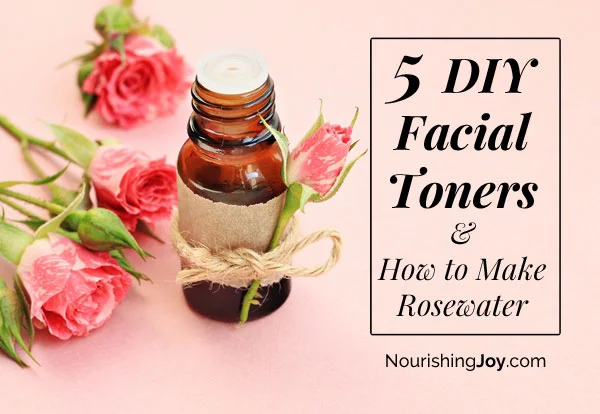
The distillation method, often seen in commercial production, involves capturing essential rose oils via steam. While effective, it requires specialized equipment. The simmering method is more accessible for beginners: place rose petals in a pot, cover them with distilled water, and bring to a gentle simmer. Simmer for about 20-30 minutes, allowing the petals to release their natural oils into the water. After cooling, strain the liquid carefully to remove all petals.
Cooling and Storing Your Rose Water
Once strained, let the rose water cool to room temperature before transferring it to sterilized glass bottles. Dark, amber-colored bottles are ideal as they protect the rose water from light, which can degrade its quality. Store your toner in the refrigerator to extend freshness, especially since homemade products lack preservatives.
Formulating Your Toner Recipe for Oily Skin
Adding Astringent and Soothing Ingredients
After preparing your base rose water, it’s time to add ingredients that target oily skin specifically. Witch hazel extract, a natural astringent, helps shrink pores and reduce shine. Adding a small amount—about 1 tablespoon per cup of rose water—works well. If you want antibacterial benefits, incorporate a drop or two of tea tree oil, but be cautious as too much can irritate sensitive skin. Aloe vera juice provides calming hydration and balances the toner’s drying effects.
Balancing pH Levels Naturally
Maintaining the correct pH is vital for skin health. Your toner should ideally be slightly acidic, around pH 4.5 to 5.5, to support your skin’s protective barrier. Natural ingredients like rose water generally fall within this range, but additions like witch hazel can alter it. You can test the pH with strips and adjust by adding a few drops of apple cider vinegar if it becomes too alkaline. This helps ensure your homemade toner complements your skin rather than disrupting it.
How to Use DIY Rose Water Toner in Your Skincare Routine
Application Techniques for Maximum Effectiveness
After cleansing, apply your rose water toner using a cotton pad or by spritzing it directly onto your face. Allow it to dry naturally to let your skin absorb the benefits fully. Using it twice daily—morning and night—helps regulate oil production consistently without over-drying or irritating the skin. If you notice slight tightening, that’s a good sign the toner is doing its job.
Combining with Other Products for Oily Skin Management
Rose water toner pairs well with lightweight moisturizers and serums formulated for oily skin. Look for non-comedogenic products that won’t clog pores. Using the toner before applying these products can improve absorption and provide a balanced base. Avoid heavy creams and occlusive products, as these may counteract your efforts to control oil.
Storage Guidelines and Shelf Life
Best Practices for Preserving Homemade Toner
Since DIY rose water toner is preservative-free, keeping it fresh is crucial. Store it in the refrigerator and use a clean cotton pad or spray nozzle each time to minimize contamination. Preparing small batches—enough for about two weeks—ensures you always have a fresh product. Keeping the bottle tightly sealed prevents exposure to air and bacteria.
Signs Your Toner Needs to be Discarded
Watch for any changes in color, smell, or clarity as signs the toner is no longer safe to use. Cloudiness or an unpleasant odor usually indicates bacterial growth. Skin irritation or redness after application may also be a warning sign. When in doubt, it’s best to discard the batch and make a fresh one, prioritizing your skin’s health over saving a few drops.
Troubleshooting Common Issues
What to Do if Your Skin Reacts to the Toner
If you notice redness, burning, or excessive dryness after using your rose water toner, immediately discontinue use. These reactions may mean you are sensitive to one of the ingredients or that the toner has spoiled. Perform a patch test next time by applying a small amount on your wrist or behind your ear before using it on your face. Adjusting the recipe by reducing additives like witch hazel or tea tree oil can also help minimize irritation.
Adjusting the Recipe for Better Oil Control
Oily skin varies from person to person, so don’t hesitate to tweak your formula. If you find your toner isn’t controlling oil as expected, slightly increase the witch hazel concentration or add a few more drops of tea tree oil. Conversely, if the toner feels too drying, boost the rose water or aloe vera content to maintain balance. Keeping a simple journal of your daily skin reactions can guide future adjustments and lead to your perfect homemade toner recipe.


