
Understanding the Purpose of a Family Command Center
Why Every Household Needs a Command Center
In the hustle and bustle of daily family life, keeping everyone on the same page can feel like a full-time job. A family command center acts as the heart of your home’s organization, providing a dedicated space where schedules, to-dos, and important information come together. It’s more than just a bulletin board; it’s a practical tool designed to simplify communication and reduce stress. Whether you have young children or teenagers, a command center helps the entire family stay connected and informed.
Key Benefits of Organizing Family Schedules
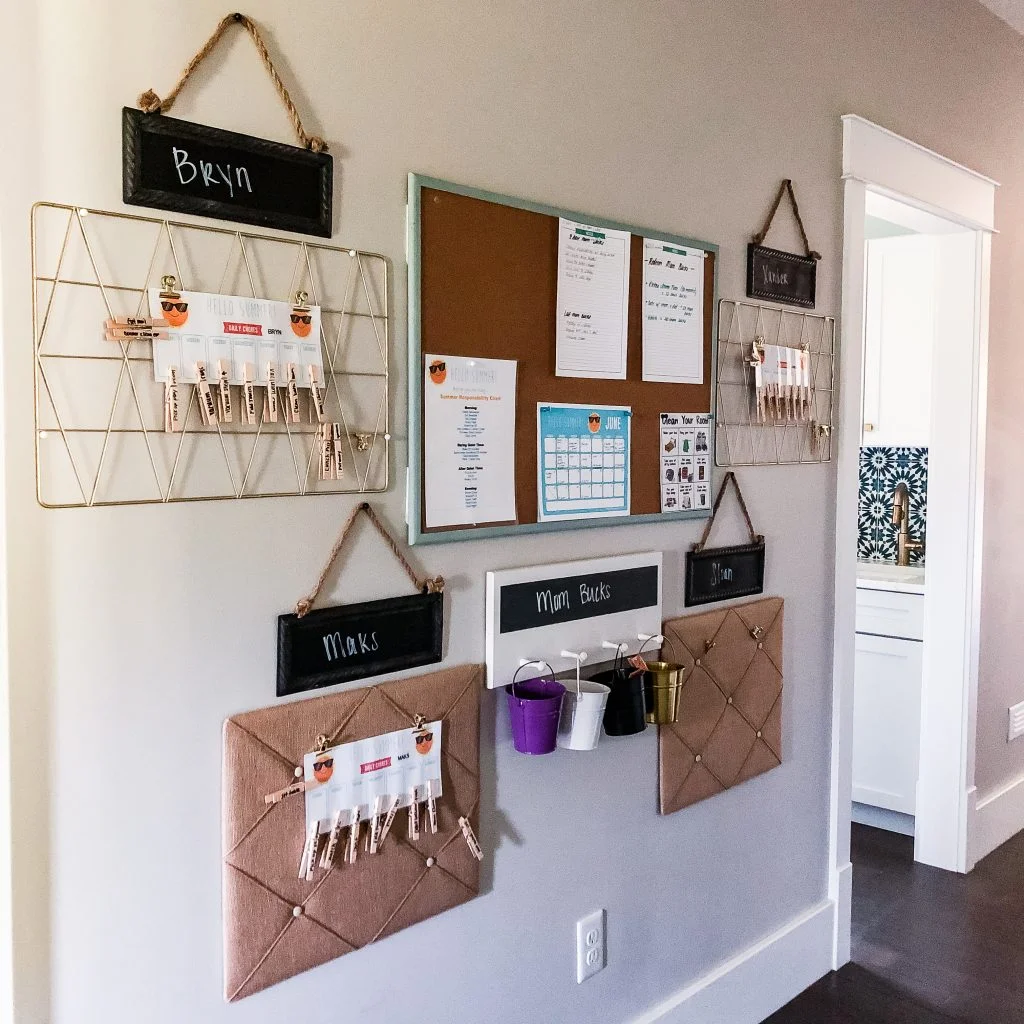
With multiple activities, appointments, and responsibilities competing for attention, chaos can easily take over. Organizing family schedules in one central location minimizes forgotten commitments and last-minute scrambles. It fosters accountability and encourages cooperation among family members. Beyond just keeping track of dates, this organization builds a sense of unity. Everyone knows what’s expected of them, creating a calmer and more predictable home environment.
Choosing the Right Location for Your Command Center
High-Traffic Areas vs. Private Spaces
Finding the perfect spot for your command center is essential to its success. High-traffic areas like the kitchen or near the front door are popular choices because they maximize visibility. These spaces naturally encourage daily check-ins and make it easy to post reminders or grab items on the go. However, some families prefer a quieter, more private area, especially if they want a spot for more detailed planning. Whichever you choose, the location should invite interaction without obstructing daily routines.
Accessibility for All Family Members
When setting up the command center, think about each family member’s needs. Placing elements within reach for kids encourages them to take ownership of their chores and schedules. For families with elderly members or anyone with mobility challenges, height and ease of use must be considered. Accessibility not only means physical convenience but also ensuring the information is clear and easy to understand. This inclusivity makes the command center a valuable tool for everyone, regardless of age.
Essential Components to Include
Calendars and Scheduling Tools
A central calendar is the backbone of a family command center. It can be as simple as a wall calendar or as advanced as a digital smart calendar displayed on a tablet. The goal is to visualize everyone’s commitments side by side, making it easier to avoid conflicts and plan ahead. Color coding by family member can add clarity and fun, helping you quickly identify whose appointment is coming up next.
Chore Charts and Responsibility Lists
Assigning chores and responsibilities can sometimes be a source of frustration. Including a chore chart within your command center turns it into a positive reminder rather than a nagging tool. It provides structure and promotes fairness by clearly outlining who is responsible for what. This transparency can inspire kids to contribute more willingly and helps parents monitor progress without micromanaging.
Mail and Important Document Holders
Paper clutter is inevitable, but it doesn’t have to take over. Incorporating mail slots or document holders keeps important correspondence, bills, and permission slips organized and visible. This way, urgent papers don’t get lost in the chaos of daily life. Having a designated drop-off point also encourages family members to collect and sort their own mail and paperwork regularly.
Message Boards and Communication Channels
Communication is the glue that holds a family command center together. Adding a whiteboard, chalkboard, or corkboard for notes and messages provides a space for reminders, encouragement, or even grocery lists. These communication channels make it easy for family members to leave quick updates or share information without needing to interrupt each other. It’s a simple way to keep conversations flowing smoothly.
Materials and Tools for Setup
Physical Supplies: Boards, Bins, and Labels
Before you start assembling your command center, gather functional supplies that suit your family’s style and needs. Magnetic whiteboards, corkboards, colorful bins, and clear labels make the space organized and visually appealing. Durable materials ensure longevity, especially in busy households. Labels, in particular, help everyone know exactly where things belong, which encourages tidiness and reduces clutter over time.
Digital Integration Options
While physical elements are great, digital tools can enhance your command center’s effectiveness. Tablets or smart displays can sync family calendars and reminders in real-time. Apps that integrate shopping lists, chore assignments, and event notifications offer flexibility, especially for families on the go. Balancing analog and digital options allows you to tailor the command center to your family’s technology comfort level, making it accessible and practical.
Step-by-Step Guide to Creating Your Command Center
Planning Layout and Design
Start by visualizing the space you want to dedicate to your command center. Consider the flow of the room and sightlines to ensure functionality. Sketching a layout helps organize where important components will go, from calendars to mail holders. Design-wise, aim for a balance between practicality and aesthetics to create a space that invites daily use without feeling overwhelming.
Gathering Family Input and Participation
Involving all family members in the setup process boosts enthusiasm and commitment. Have a family meeting to discuss what everyone needs from the command center and brainstorm ideas together. This collaboration ensures the center reflects your family’s unique lifestyle and prevents one-size-fits-all solutions that might not stick. When everyone has a voice, the space becomes a shared responsibility, not just a parental directive.
Implementing and Adjusting Over Time
Once your command center is set up, remember that it’s a living system. Give your family a trial period to see what works and what doesn’t. Be open to tweaks—a different layout, additional tools, or new routines—to refine its effectiveness. Flexibility keeps the command center relevant as your family’s needs evolve over time.
Maintenance: Keeping Your Command Center Functional
Weekly Review and Updates
Routine upkeep is key to maintaining an effective family command center. Set aside time each week to update schedules, clear out old papers, and realign tasks. This habit not only keeps the system tidy but also creates a natural touchpoint for discussing upcoming plans or challenges as a family. Consistency here transforms the command center from a one-time project into an everyday habit.
Involving Children and Teens in Management
Empowering children and teens to participate in maintaining the command center nurtures independence and responsibility. Assign age-appropriate tasks like updating the calendar, switching out chores, or managing reminders. This involvement teaches organizational skills that extend beyond the home and fosters a cooperative spirit. It also reduces the burden on parents to manage every detail.
Creative Ideas to Personalize Your Family Command Center
Incorporating Family Photos and Artwork
Adding personal touches like family photos and children’s artwork turns the command center into a warm, inviting space rather than just a functional hub. These elements bring personality and joy, reminding everyone that the center exists to support the unique family dynamic. It can also boost morale and motivation, especially on hectic days.
Seasonal Themes and Motivational Quotes
Changing up the look of your command center with seasonal decorations or motivational quotes keeps the space fresh and engaging. These small updates can encourage positivity and reflect the changing rhythms of the year. Whether it’s festive colors during holidays or inspiring phrases to start the week, these details contribute to a supportive family atmosphere.


