
Introduction to Layered Hair Care for Color-Treated Hair
Understanding Color-Treated Hair Needs
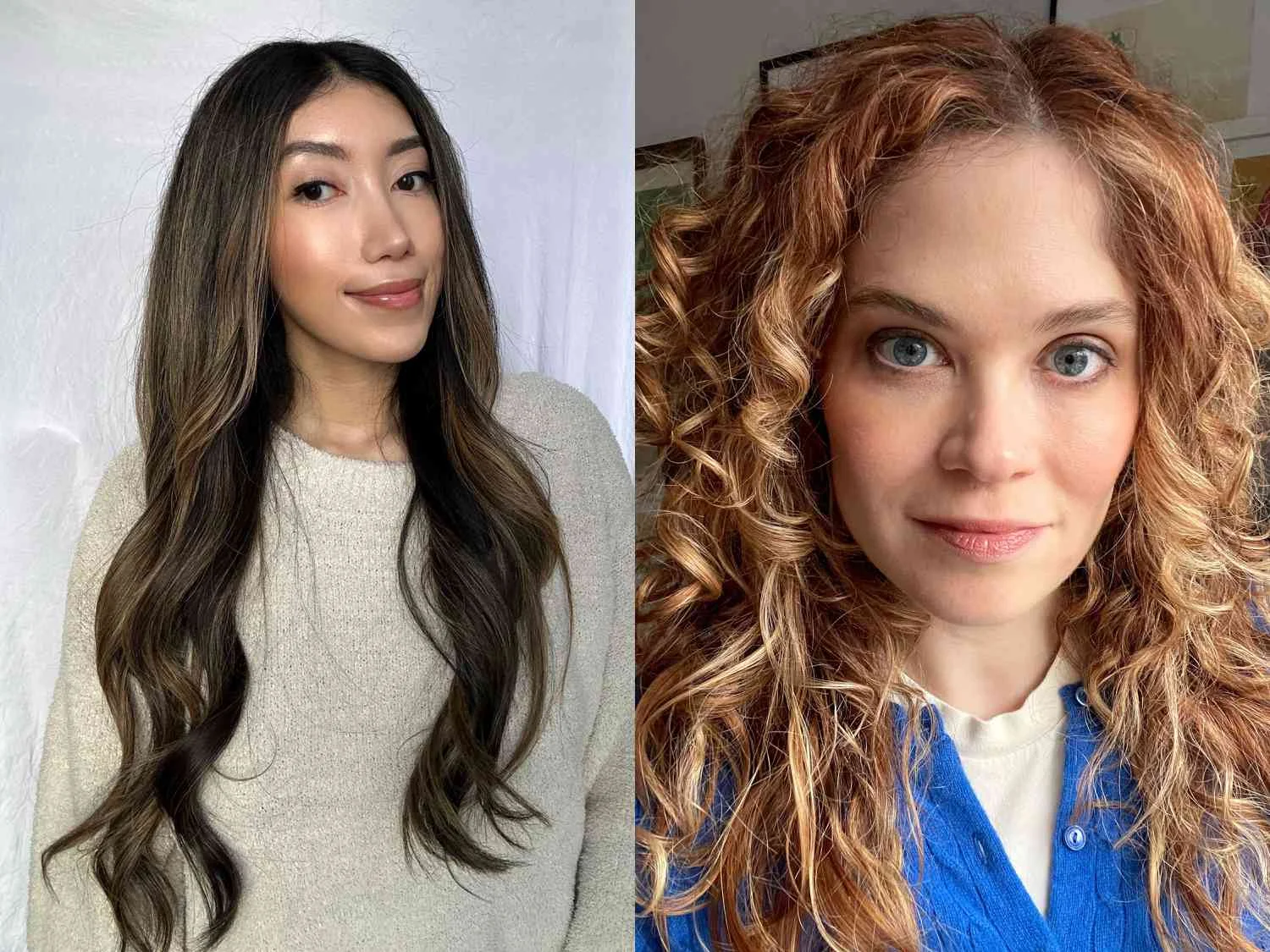
Color-treated hair requires special attention because the chemical processes involved can strip natural moisture and weaken its structure. Unlike untreated hair, color-treated strands tend to be more porous, prone to dryness, and susceptible to damage from environmental factors. Maintaining softness and vibrancy in such hair often feels like an ongoing challenge, especially when layering adds complexity to managing uneven textures and lengths.
Importance of Layered Hair Care Approach
Layered hair involves cutting hair at different lengths to create dimension and movement, which can increase the difficulty of maintaining consistent moisture and preventing breakage. A one-size-fits-all routine won’t work effectively for layered, color-treated hair because each layer might respond differently to products and styling methods. Implementing a layered hair care approach means tailoring your treatment to these varying needs, ensuring that each section remains soft, healthy, and color-rich.
Step 1: Choosing the Right Products for Your Hair Type
Shampoos and Conditioners Specifically for Color-Treated Hair

Many shampoos and conditioners in the market promise color protection, but not all deliver the care layered hair requires. The problem lies in the formulation; harsh ingredients can strip away your color and cause dryness, especially in thinner or more exposed layers. Selecting products explicitly designed for color-treated hair helps preserve the vibrancy and health of your strands by providing nutrients and sealing the hair cuticle.
Benefits of Sulfate-Free and Color-Safe Formulas
Sulfates are common cleansing agents that can aggressively remove oils, but when used on color-treated hair, they accelerate fading and increase brittleness. Choosing sulfate-free shampoos and conditioners that are color-safe ensures your hair is cleaned gently without sacrificing its color longevity. These formulas typically contain hydrating and protective ingredients that maintain softness and reduce the risk of damage caused by frequent washing.
Step 2: Daily Hair Care Routine for Softness and Shine
Proper Washing Techniques
Overwashing or using hot water can further dry out color-treated layered hair, leaving it dull and brittle. Washing your hair with lukewarm water and limiting shampoo to the scalp rather than the lengths prevents unnecessary stripping of moisture. Gentle massaging rather than vigorous scrubbing protects the hair strands, especially the more delicate layers that might be thinner and more exposed.
Conditioning Tips for Layered Hair
After washing, conditioning is critical for replenishing moisture and smoothing cuticles. Apply conditioner primarily to mid-lengths and ends where damage and dryness are most prominent. For layered hair, take time to detangle gently with a wide-tooth comb to reduce breakage and ensure even distribution of the product, which helps maintain softness across all layers.
Using Leave-In Treatments and Serums
Leave-in conditioners and serums provide an extra layer of protection and hydration throughout the day. They can help tame frizz, add shine, and protect the hair from environmental aggressors. For layered hair, lightweight formulas are preferable to avoid weighing down shorter strands, and application should be focused on the areas prone to dryness or damage.
Step 3: Weekly Deep Conditioning Practices
How to Apply Deep Conditioning Masks Effectively
Even with daily care, color-treated layered hair benefits significantly from weekly deep conditioning to restore softness and strength. The challenge lies in ensuring that the mask penetrates all layers effectively. Start by applying the mask evenly, focusing on the damaged ends and thinner layers, then use a wide-tooth comb to distribute the product. Covering with a shower cap and using gentle heat can enhance absorption and effectiveness.
Recommended DIY and Store-Bought Masks
There are many store-bought masks formulated specifically for color-treated hair that offer nourishing ingredients like keratin, argan oil, and vitamins. For those who prefer natural options, DIY masks combining ingredients such as honey, avocado, and coconut oil can provide deep hydration. The key is to choose masks that promote moisture retention without contributing to product buildup, which can dull color and weigh down layered styles.
Step 4: Protecting Your Hair from Heat and UV Damage
Heat Styling Tips and Protective Products
Heat styling tools are often necessary to define layers and enhance the look of color-treated hair but come with risks. Excessive heat can cause fading and further dryness. Using heat protectant sprays or creams before styling creates a barrier that minimizes damage. Additionally, setting tools to the lowest effective temperature and limiting frequency can help maintain hair softness and color vibrancy.
UV Protection Strategies for Color Vibrancy
UV rays cause color to fade faster and can weaken hair structure. Many do not realize that daily sun exposure affects hair health similarly to skin. Applying UV protection sprays or wearing hats can shield hair from harmful rays. Incorporating antioxidant-rich serums also helps combat the oxidative stress that leads to color degradation and rough texture.
Step 5: Trimming and Maintenance for Layered Hair
When and How Often to Trim
One of the biggest challenges with layered, color-treated hair is maintaining its shape and health. Regular trims every six to eight weeks remove split ends and prevent damage from traveling up the hair shaft. Neglecting trims can lead to breakage and uneven layers, making the hair appear less vibrant and harder to manage.
Maintaining Layered Hair Shape for Optimal Color Display
Keeping the layered shape well-defined plays a crucial role in how color reflects and shows depth. An uneven or grown-out cut can obscure dimension and create a dull appearance. Working with a skilled stylist familiar with your hair type and color ensures each layer complements the overall look and maintains the hair’s softness and luster.
Expert Advice and Pro Tips
Common Mistakes to Avoid
A common mistake is over-washing, which accelerates fading and dryness. Another is using heavy products that weigh down layers or over-rely on heat styling without protection. Skipping trims or ignoring UV protection are also frequent pitfalls leading to dull, brittle hair. Recognizing these errors early helps maintain a consistent care routine that supports softness and color vibrancy.
Recommendations from Hair Professionals
Hair experts emphasize individualized care, suggesting that understanding your hair’s unique needs is vital. They recommend incorporating protein treatments to strengthen strands periodically and rotating between clarifying and moisturizing shampoos to avoid buildup. Listening to your hair’s response rather than following rigid routines ensures better results over time, especially when dealing with the intricacies of layered, color-treated hair.


