
Introduction to Healthy and Budget-Friendly Meal Swaps
Eating well doesn’t have to break the bank or mean sacrificing the flavors you love. Simple swaps in your cooking can make your favorite meals both healthier and more cost-effective, helping you maintain a balanced diet without feeling deprived. These small changes create a big impact over time by transforming everyday dishes into nourishing, budget-friendly options.
Why Simple Swaps Matter for Health and Savings
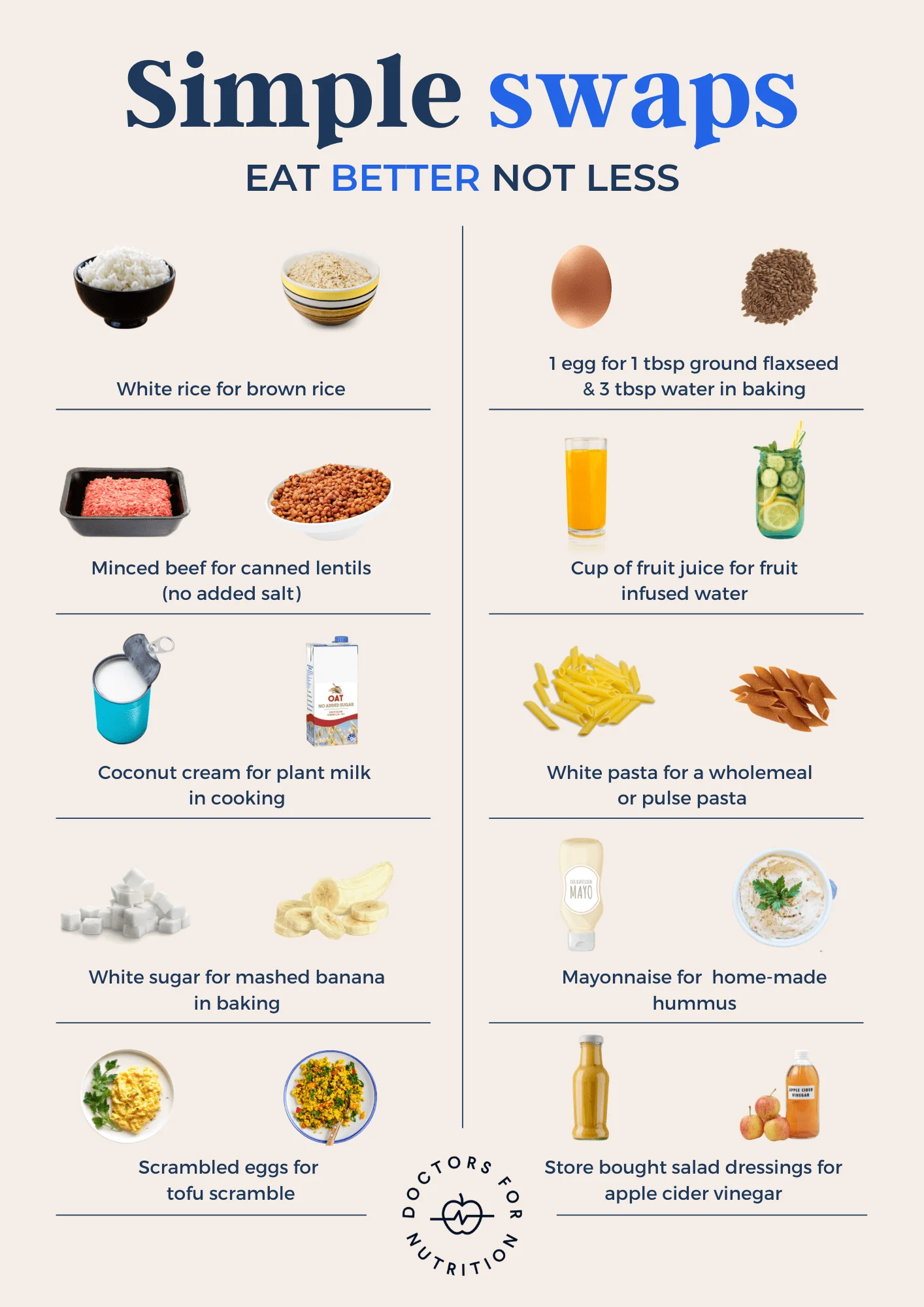
Choosing healthier alternatives in your meals not only boosts your nutrition but also often helps reduce grocery bills. For example, swapping expensive cuts of meat with plant-based proteins can lower costs and improve heart health. These thoughtful changes support long-term wellness and make mindful eating accessible to everyone, regardless of budget constraints.
Common Challenges in Maintaining a Healthy and Affordable Diet
Many people struggle with the misconception that eating well means spending more or investing extra time in the kitchen. Finding affordable ingredients that offer nutrition and flavor can be overwhelming, especially with busy schedules. Additionally, it’s easy to fall back on processed foods or familiar recipes that might be less healthy or more expensive in the long run.
Swapping Ingredients for Nutritional Boosts
Replacing Processed Meats with Plant-Based Proteins
Processed meats are often high in sodium and unhealthy fats, and they tend to be costly. Substituting them with beans, lentils, or tofu can enhance your meals by adding fiber and essential nutrients without excess saturated fat. These plant-based options also blend seamlessly into many recipes, providing satisfying textures and flavors.
Choosing Whole Grains Instead of Refined Ones
Switching from white rice or pasta to whole grains like brown rice, quinoa, or whole wheat pasta adds more fiber and vitamins to your diet, which support digestion and keep you feeling fuller longer. Though sometimes perceived as pricier, buying whole grains in bulk or on sale makes them a wallet-friendly staple that elevates your meal quality.
Incorporating Fresh Herbs and Spices for Flavor Without Extra Calories
Fresh herbs and spices are a fantastic way to enhance the taste of your dishes without adding fats or sugars. Instead of reaching for salty sauces or heavy dressings, experiment with basil, cilantro, paprika, or turmeric. These small additions brighten meals and bring new depth, making healthier foods more enjoyable without extra cost.
Cost-Effective Alternatives to Popular Cooking Staples
Affordable Vegetables That Can Replace Expensive Ones
While some vegetables can be pricey or out of season, others offer great nutrition at a lower price. Carrots, cabbage, and frozen greens, for example, can stand in for pricier fresh produce without compromising flavor. Using these swaps helps you stay healthy year-round and reduce food waste with longer-lasting veggies.
Using Beans and Lentils to Stretch Protein Budgets
Beans and lentils are budget superheroes when it comes to protein. They’re not only inexpensive but also versatile, allowing you to create hearty soups, stews, and salads. Including them more often helps extend meat portions or replace them altogether, lowering meal costs while boosting fiber and plant-based nutrients.
Smart Shopping: Bulk Buying and Seasonal Produce
One of the best ways to keep your meals affordable is by buying in bulk and prioritizing seasonal fruits and vegetables. Bulk options like grains, nuts, and dried legumes can be stored for long periods, saving you future trips to the store. Seasonal produce offers peak flavor and nutritional value at reduced prices, making your swaps even more effective.
Transforming Favorite Dishes with Simple, Healthy Twists
Healthier Pasta and Rice Dishes
You don’t need to give up comfort foods like pasta or rice to eat better. Try mixing cauliflower rice with regular rice or swapping half your pasta for legumes-based varieties. These swaps add fiber and protein while reducing the glycemic impact, helping you feel energized and satisfied after meals.
Lightening Up Comfort Foods Without Sacrificing Taste
Comfort foods often come with extra calories from heavy creams, cheeses, or fried ingredients. By using low-fat yogurt in place of sour cream or baking instead of frying, you preserve the deliciousness while cutting down fat and calories. Small changes like these let you enjoy your favorites guilt-free.
Creative Swaps in Sauces and Dressings
Sauces and dressings can pack hidden sugars and unhealthy fats. Opt for homemade vinaigrettes using olive oil and vinegar or blend avocado as a creamy dressing alternative. These swaps offer control over ingredients, reduce additives, and introduce heart-healthy fats at a fraction of the cost of store-bought options.
Practical Tips for Implementing Swaps Consistently
Meal Planning with Swaps in Mind
Planning your meals ahead of time can help you integrate swaps smoothly without feeling overwhelmed. Choose recipes that share ingredients to avoid waste and simplify shopping. Keeping a list of favorite swap ideas makes it easier to rotate options and keep meals interesting throughout the week.
Batch Cooking and Storage to Maximize Savings
Batch cooking dishes with your substituted ingredients saves time and money. Preparing meals in larger quantities allows you to freeze portions for busy days, reducing reliance on takeout or last-minute unhealthy choices. Proper storage also ensures freshness and minimizes food waste, making every dollar spent go further.
Conclusion: Small Changes, Big Impact on Health and Budget
Incorporating simple swaps into your meals is a practical way to eat healthier and stretch your grocery budget. With thoughtful ingredient choices and a bit of planning, you can transform your favorite dishes and enjoy a diet that supports both your wellbeing and your wallet. Remember, it’s the small, consistent changes that add up to lasting results.


