
Introduction to Labeling in Home Office
Why Labeling Matters for Productivity
Effective labeling in a home office can transform clutter into clarity. When everything has a clear, visible label, locating items becomes faster, reducing unnecessary distractions. This streamlined access to supplies fosters focus and supports sustained productivity throughout the workday.
Common Challenges Without Proper Labeling
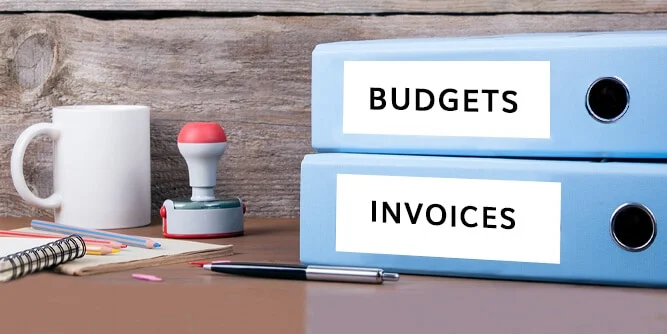
Without a labeling system, home offices often suffer from misplaced items and disorganized spaces. This chaos leads to wasted time searching for essentials, increased frustration, and disruptions in workflow. Over time, this disorder can diminish overall work efficiency and increase stress.
Top Labeling Techniques for Home Offices
Color-Coded Systems for Instant Recognition
Color coding provides a quick visual cue that helps distinguish categories of supplies. For example, blue labels can denote writing tools while green indicates paper products. This method speeds up item retrieval and reduces mental load by associating colors with specific types of materials.
Using Printable Labels vs Handwritten Tags
Printable labels offer a polished and uniform look, making them ideal for frequently seen areas of your workspace. Their clarity ensures details are easy to read. Handwritten tags, however, are great for quick labels or temporary identifications, offering convenience and flexibility when time is limited.
Leveraging Digital Label Makers for Customization
Digital label makers enable the creation of personalized, professional-grade labels. They allow for various fonts, sizes, and symbols, catering to specific organizational needs. This technology supports easy updates and consistency, especially valuable in managing evolving supply collections.
Material Choices for Durable Labels
Paper, Vinyl, and Laminated Options
Choosing the right label material is critical for longevity. Paper labels are cost-effective but less durable. Vinyl offers resilience against wear and tear, ideal for frequently handled items. Laminated labels combine durability with protection from smudges, ensuring the text remains legible over time.
Waterproof and Fade-Resistant Labels
Waterproof and fade-resistant labels are essential for home offices exposed to humidity or sunlight. These labels maintain their clarity and adhesion, preventing deterioration. Investing in such materials reduces the need for frequent replacements, maintaining a neat and professional workspace.
Organizing Supplies by Frequency of Use
Labels for Daily Use Items
Supplies accessed daily benefit from clear, prominently placed labels. This ensures quick identification and easy access, which supports smooth task execution. Items like pens, notebooks, and chargers should have labels that are visible at a glance, minimizing interruptions.
Labels for Rarely Used Materials
For supplies used less often, labels can be smaller and placed in less prominent locations. This categorization helps prevent overcrowding in prime areas while keeping all items systematically stored. Proper labeling ensures that rarely used materials are not lost or forgotten.
Creative Labeling Ideas to Inspire Efficient Workflow
Incorporating Icons and Symbols
Adding icons or symbols alongside text creates a visual language that enhances label recognition. For example, a pencil icon for writing tools or a clip symbol for fasteners speeds up identification, especially for visual learners. This approach also adds an engaging element to organization.
Labeling for Aesthetic Appeal and Motivation
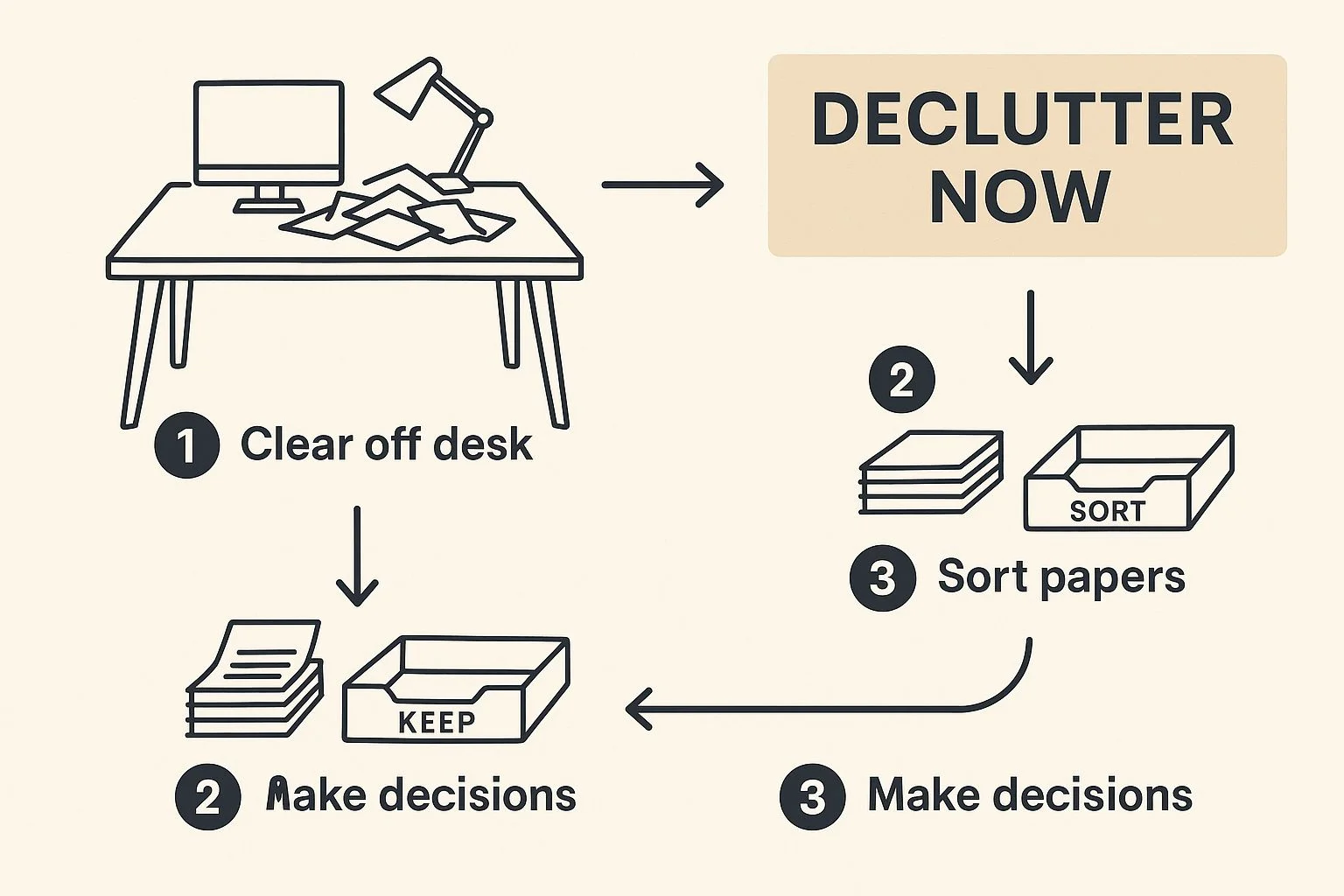
Labels can be more than functional—they can boost motivation and brighten your workspace. Using stylish fonts, subtle colors, or inspirational quotes integrates positivity into your environment. A visually appealing labeling system makes organizing less of a chore and more of a creative act.
Steps to Create a Tailored Labeling System
Assessing Your Needs and Space
Begin by evaluating the quantity and types of supplies, along with available storage space. Understanding your workflow and usage patterns helps to identify which items require prominent labeling versus those that can be grouped or archived.
Choosing the Right Tools and Materials
Select label makers, materials, and designs that fit your office style and durability requirements. Ensuring compatibility with your workspace conditions—such as lighting and humidity—is key to longevity and ease of reading.
Implementing and Maintaining the System
Apply labels thoughtfully, grouping related items logically. Regularly review and update labels as your inventory changes to keep the system effective. Maintenance ensures your labeling remains relevant and continues to support a productive work routine.
Case Studies: Successful Home Office Labeling Systems
Minimalist Approach for Small Spaces
A minimalist system focuses on simplicity, using monochromatic labels and concise text. In limited spaces, this approach reduces visual clutter while maximizing clarity. Every label serves a purpose, contributing to a calm and efficient environment.
Maximalist Method for Diverse Supplies
The maximalist method embraces variety with colorful, detailed labels tailored to each supply category. Suitable for offices with diverse tools, it supports complex organization while adding personality. This approach transforms a busy workspace into a well-ordered system.
Conclusion: Maximizing Productivity Through Effective Labeling
Implementing a thoughtful labeling strategy is a fundamental step to enhance home office productivity. It cuts down search time, reduces stress, and creates a structured environment. By choosing appropriate materials, techniques, and designs, you cultivate a workspace that supports focus and efficiency every day.


