
Why Indoor Exercise Games Are Essential on Rainy Days
Health Benefits for Kids
Keeping children physically active is crucial for their overall health, and this remains true even when the weather keeps them indoors. Exercise games stimulate cardiovascular fitness, build muscle strength, and improve coordination. Moreover, these activities support healthy growth and help maintain a healthy weight. Beyond the physical benefits, exercise enhances mental well-being by reducing stress and promoting better sleep patterns. When rain prevents outdoor play, indoor exercise games offer a practical way to ensure kids continue gaining these benefits without interruption.
Challenges of Staying Active Indoors
Despite the importance of physical activity, maintaining movement inside the home poses some challenges. Limited space often restricts the types of exercises children can safely perform. Additionally, kids may become easily bored without engaging or interactive activities, leading to more screen time and sedentary behaviors. Noise can also be a concern in shared living spaces, which means games must be thoughtfully selected to balance fun and practicality. Understanding these challenges helps caregivers plan better indoor exercise options that keep children active and entertained even on the gloomiest days.
Top 5 Easy Exercise Games for Kids Indoors
1. Simon Says Fitness Edition
This classic game can be transformed into an exercise activity by replacing standard commands with fitness moves. For instance, “Simon says jump ten times” or “Simon says do five push-ups” encourages children to engage specific muscles while having fun. It promotes listening skills and quick responses, making it mentally stimulating as well. Because it requires very little space and no equipment, it’s ideal for any room at home.
2. Balloon Volleyball
Balloon volleyball is a gentle way to practice coordination and aerobic movement indoors. Kids can use a balloon as the ball, avoiding the risk of breaking household items. Setting up a “net” with a string or simply dividing the room into two sides creates an impromptu court. The slow pace of the balloon’s movement makes it easy for various skill levels. This game also encourages teamwork and social interaction when played in groups.
3. Indoor Obstacle Course with Household Items
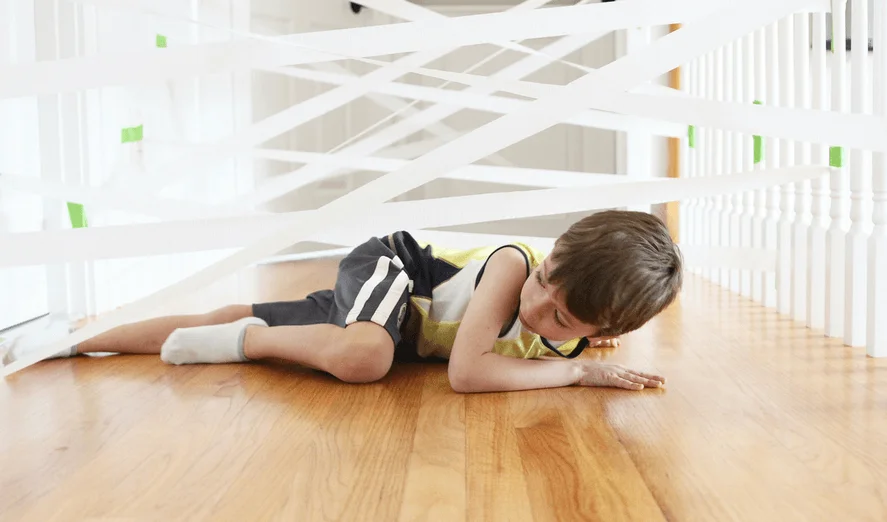
Creating an obstacle course transforms everyday objects into fun fitness stations. Chairs can be used for crawling under, cushions for jumping over, and tape on the floor to mark boundaries for balancing. This game challenges children’s agility, strength, and problem-solving as they navigate the course. Tailoring the complexity according to the available space ensures everyone stays safe while having a lively workout session indoors.
4. Dance Freeze
Dance freeze blends music and movement with moments of stillness, keeping kids engaged and active. When the music plays, children dance freely; when it stops, they must freeze in place. This builds coordination, rhythm, and impulse control. Using catchy or familiar tunes makes the activity exciting, while frequent pauses in music keep the heart rate variable, mimicking interval training in a playful manner.
5. Animal Movements Challenge
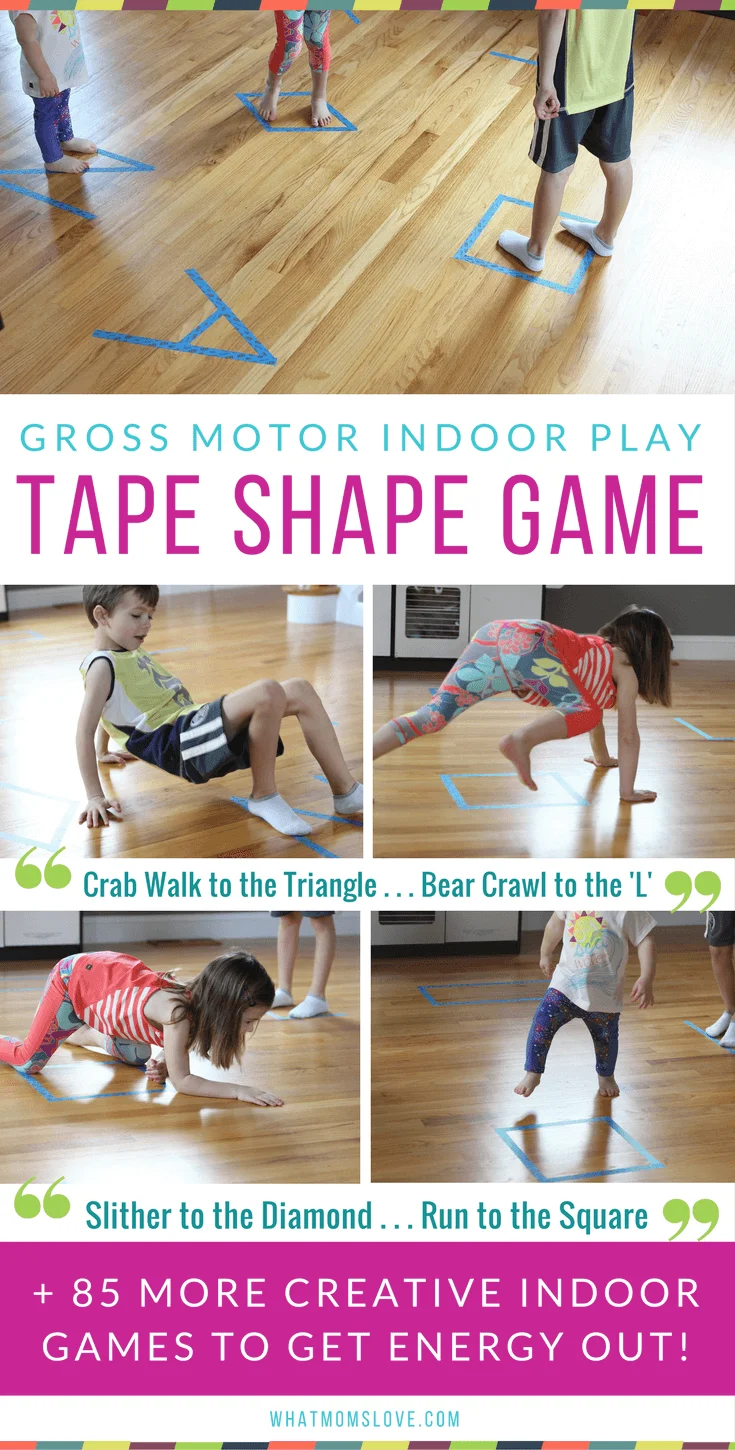
Encouraging kids to mimic animal movements adds creativity to exercise. Crawling like a bear, hopping like a frog, or slithering like a snake requires different muscle groups and keeps the body moving in diverse ways. This game also enhances imaginative thinking and body awareness, as children explore new ways to move. It’s suitable for various ages and can be adapted to the available indoor space.
How to Adapt Games for Different Age Groups
Preschoolers
For younger children, simplicity and safety are key. Games for preschoolers should include clear instructions and focus on basic movements such as jumping, crawling, or arm waving. Short sessions help maintain their attention, and incorporating familiar themes like animals or colors boosts enjoyment. Caregivers should offer gentle guidance to prevent frustration and keep the experience positive.
Elementary-Aged Kids
Children in this age group can handle more complex activities that involve rules and teamwork. Introducing competitive elements or timed challenges makes games more engaging. For example, increasing the number of repetitions in Simon Says or adding scorekeeping in Balloon Volleyball adds motivation. It’s also effective to mix physical activities with cognitive tasks to stimulate their growing minds along with their bodies.
Older Children and Preteens
Older kids benefit from dynamic games that provide a moderate physical challenge and foster social interaction. Activities like setting up advanced obstacle courses or choreographing dance routines promote leadership and creativity. Allowing them to customize the games or create their own adds empowerment. Ensuring the space is safe for more vigorous movement becomes increasingly important as intensity rises with age.
Tips for Creating a Safe Indoor Exercise Environment
Clearing Space
Safety starts with creating an open area free from hazards. Removing fragile objects, securing rugs, and rearranging furniture to allow clear movement paths helps prevent accidents. Even a small, clutter-free corner can serve as a safe zone if it accommodates necessary activity. Assessing the surroundings before play ensures children can focus on exercise without injury risks.
Using Soft Materials
Incorporating cushions, mats, or blankets reduces the impact of falls, especially when more physically demanding games are involved. Soft surfaces provide comfort during floor-based activities and encourage children to try movements they might otherwise avoid. Using household items like pillows creatively adds to both safety and fun components of these indoor games.
Supervision and Encouragement
Adult supervision is essential, particularly for younger children or when introducing new games. Monitoring ensures rules are followed and proper techniques are used, reducing injury likelihood. Equally important is offering positive reinforcement, which motivates kids to keep participating. Praise for effort rather than perfection nurtures a healthy attitude toward physical activity.
Incorporating Educational Elements into Exercise Games
Counting and Math Integration
Combining physical movement with educational content enhances learning outcomes. Counting repetitions or timing activities introduces basic math skills seamlessly. For example, children can count the number of jumps or calculate the duration they maintain a pose. This approach transforms exercise into a multifaceted experience that stimulates both body and mind.
Learning Through Movement
Movement-based games can reinforce concepts from various subjects. Acting out stories or representing letters and shapes with body movements deepens understanding through kinesthetic learning. Physical activity paired with cognitive challenges creates memorable experiences that enrich children’s development. This dual-purpose strategy maximizes the value of indoor exercise games beyond health benefits alone.


