
Understanding Habit Stacking for Better Time Management
What is Habit Stacking?
Habit stacking is a simple yet powerful approach to building new behaviors by attaching them to existing habits. Instead of trying to overhaul your routine all at once, this method encourages you to link a small new habit immediately after something you already do automatically. For example, after brushing your teeth, you might spend two minutes planning your day. This seamless connection makes it easier to remember and maintain the habit over time, gradually improving your overall productivity.
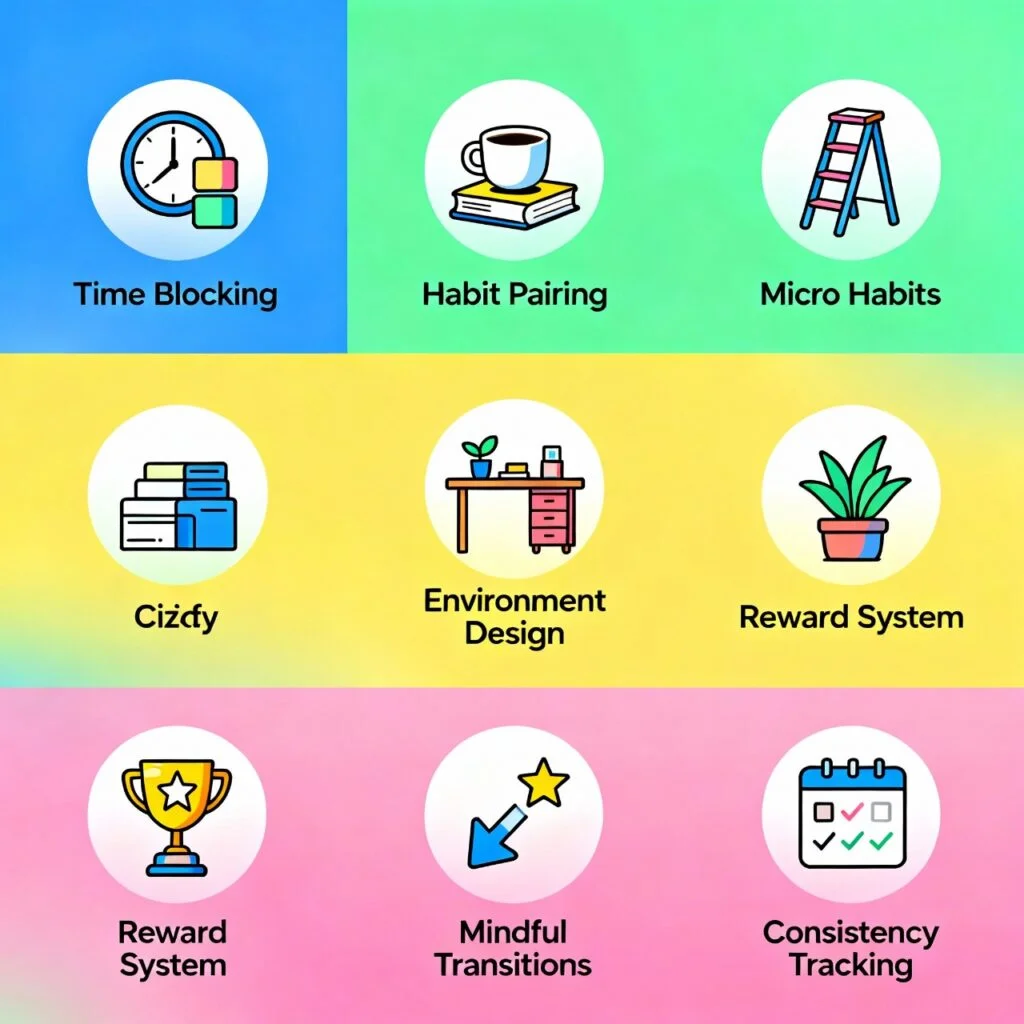
Why Habit Stacking Enhances Productivity
Productivity often feels like a battle against time, distractions, and motivation. Habit stacking tackles these challenges by reducing the mental effort involved in starting new tasks. When actions are anchored to routine behaviors, they become more automatic and less likely to be skipped. This approach minimizes decision fatigue, so you use your willpower for bigger challenges. Over weeks and months, these small, consistent improvements can compound into significant time management gains, making your days smoother and more fulfilling.
Identifying Key Time Management Challenges
Common Obstacles That Cause Overwhelm
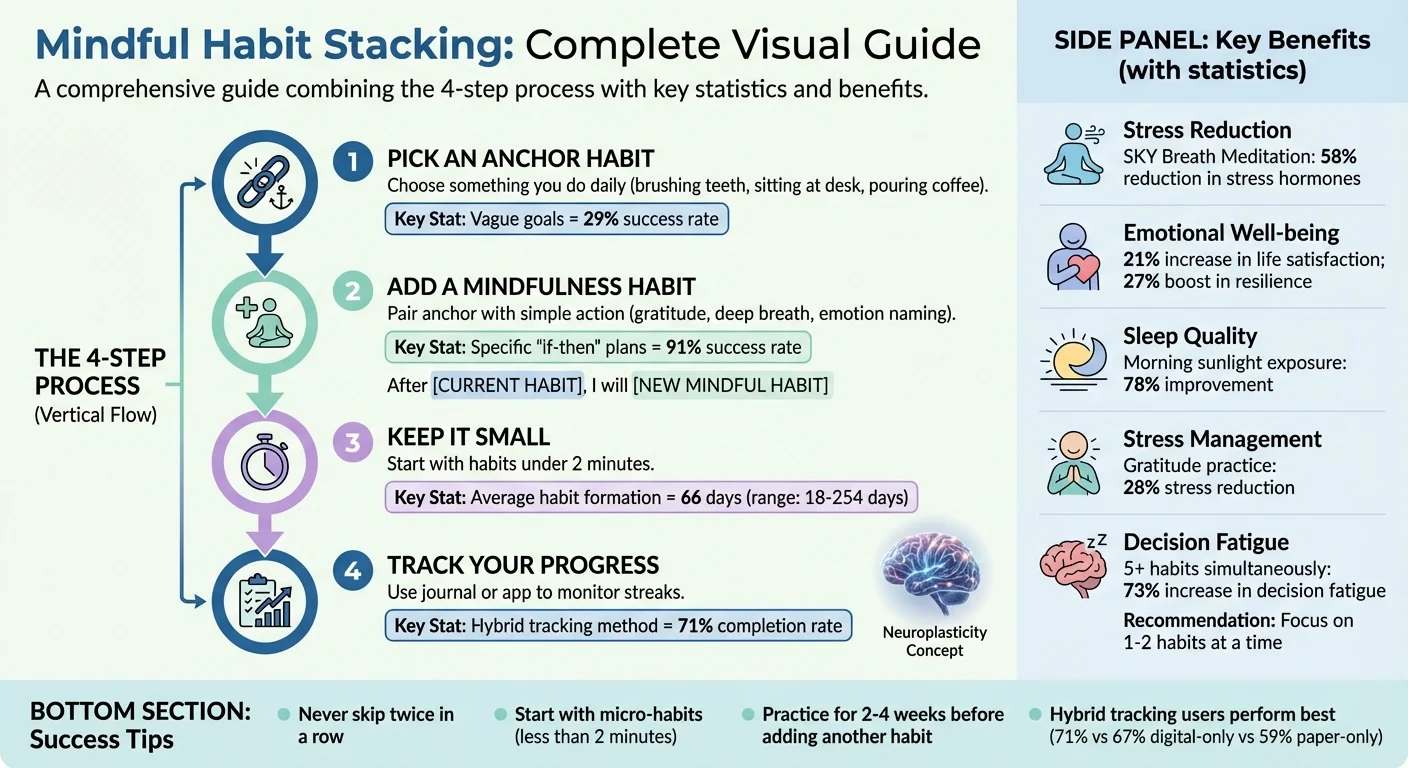
Many people struggle with feeling overwhelmed because their days are often unstructured or filled with constant interruptions. Poor prioritization, procrastination, and digital distractions also contribute to wasted time. When tasks pile up without a clear plan, the stress can become paralyzing, making it hard to even start. Recognizing these obstacles is the first step toward adopting strategies that can help.
How Small Habits Can Tackle Big Problems
It might seem counterintuitive, but tiny changes can drastically shift how you manage your time. Instead of trying to rearrange your entire day, introducing bite-sized habits can create a ripple effect. For instance, taking a minute to jot down your top three tasks can steer your focus away from distractions. When these small steps become routine, they chip away at bigger challenges like procrastination and multitasking, helping you regain control without feeling overwhelmed.
Step-by-Step Guide to Successful Habit Stacking
Choosing the Right Habits to Stack
Successful habit stacking starts with picking the right behaviors to link. The new habit should be simple, achievable, and meaningful to your time management goals. It’s best to avoid complex or time-consuming habits at first, as these may create resistance. Think of actions that directly support your productivity, such as reviewing your calendar or setting a timer for focused work sessions. The key is to start small and build momentum.
Linking Habits to Existing Routines
Next, identify daily routines where you can attach new habits. These could be tied to morning rituals, mealtimes, or moments when you naturally pause. For example, if you have a habit of drinking coffee in the morning, you might stack a quick review of your priorities right after taking the first sip. The stronger and more consistent your original habit, the easier it becomes to add a new one. This connection creates a mental cue that triggers the next action with little conscious effort.
Maintaining Consistency Without Stress
One of the biggest challenges is keeping new habits going without feeling pressured. The trick is to be flexible and kind to yourself. If you miss a day, don’t get discouraged; simply pick up where you left off. Tracking progress can help, but it shouldn’t become a source of guilt. Allow your habit stacks to evolve naturally, adjusting the timing or complexity if needed. This approach keeps you motivated and prevents burnout, making sustainable progress more likely.
Practical Habit Stacking Ideas to Implement Today
Morning Rituals That Save Time
The start of the day sets the tone for everything else. Consider stacking a simple habit like reviewing your to-do list right after turning off your alarm. This quick mental check can anchor your priorities so you don’t waste time wondering what to tackle first. Another idea is to combine hydration with mindfulness by drinking a glass of water immediately after waking up while silently focusing on your main goal for the day. These small habits prepare you mentally and physically without adding complexity.
Workday Hacks for Enhanced Focus
During your work hours, habit stacking can help keep distractions at bay and boost concentration. For example, you might put on noise-canceling headphones right before starting a deep work session, signaling to your brain that it’s time to focus. Another practical stack is reviewing your calendar right after lunch to plan the afternoon efficiently. Pairing short physical movements, like stretching, with checklist updates can also refresh your mind while keeping you on track throughout the day.
Evening Habits to Prepare for Tomorrow
Winding down with evening habit stacks can set you up for a smoother next day. After cleaning up your workspace, take a few minutes to write down three tasks you want to accomplish tomorrow. Linking this with your nightly skincare or reading routine can make the habit stick. Preparing your outfit or packing your bag right after brushing your teeth can also save precious minutes in the morning, reducing stress and helping you start fresh.
Measuring and Adjusting Your Habit Stacks
Tracking Progress Efficiently
Keeping an eye on how your habit stacks are performing doesn’t have to be complicated. Simple checklists, habit tracking apps, or even a journal can provide quick feedback on what’s working. The key is to check in regularly, perhaps weekly, to notice patterns and celebrate small wins. This practice not only builds confidence but also highlights areas that might need tweaking.
Adapting Habits Based on Results
Not every habit stack will work perfectly from the start. Being open to change is crucial. If a habit feels stressful or disrupts your flow, consider breaking it into smaller steps or switching the timing. Sometimes, a different cue or pairing might make a habit easier to maintain. The goal is progress, not perfection—adjusting your stacks ensures they remain effective without overwhelming you.


