
Understanding Overthinking and Its Impact on Mental Clarity
What Is Overthinking?
Overthinking involves excessive rumination on thoughts, often looping negative or unproductive ideas. It can trap the mind in cycles of worry and doubt, preventing clear decision-making. This mental habit drains emotional energy and diverts focus from actionable solutions.
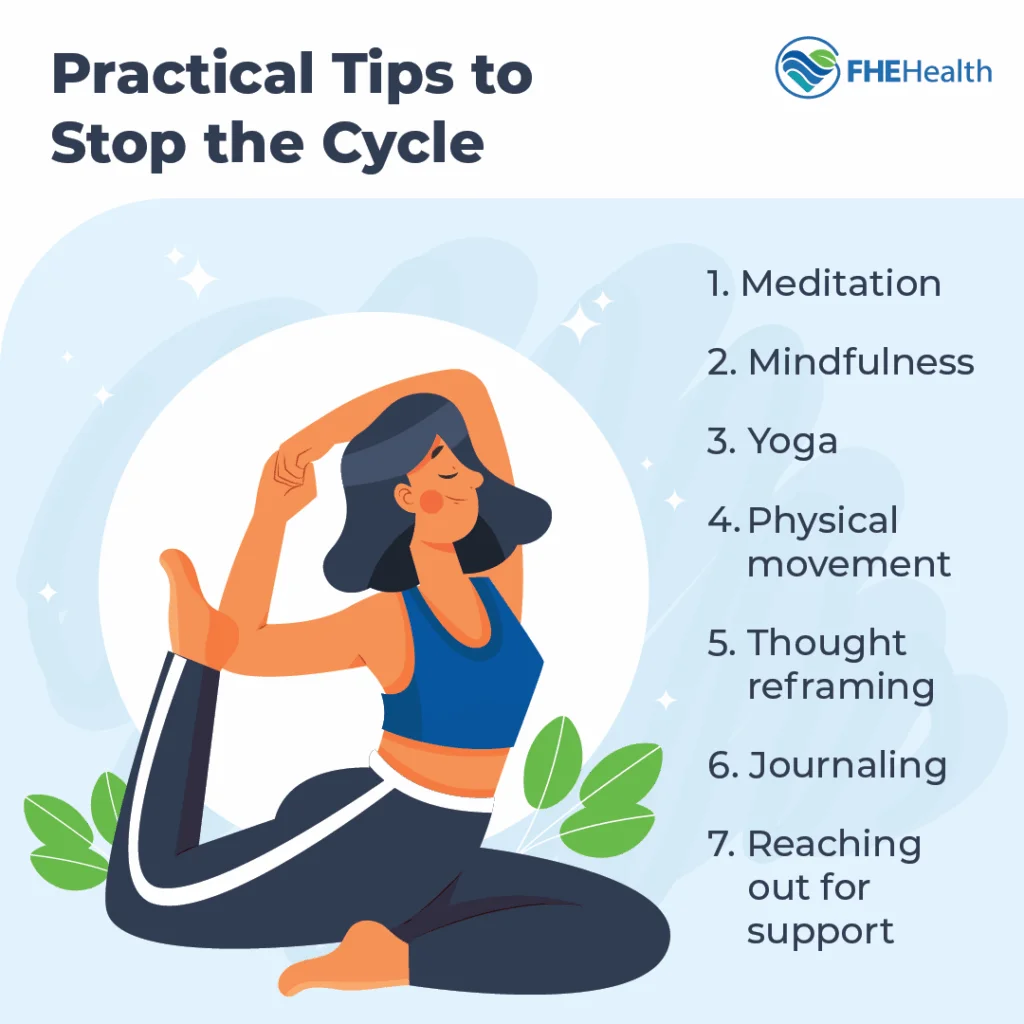
How Overthinking Affects the Brain and Emotions
When overthinking takes hold, brain activity in regions related to stress and anxiety increases. This heightened state can impair memory, concentration, and emotional regulation. The result is mental fatigue, increased tension, and an overall decrease in cognitive performance.
The Role of Mindfulness in Mental Health
Mindfulness encourages awareness of the present moment without judgment. It helps break the cycle of overthinking by shifting attention away from repetitive thoughts. Regular mindfulness practices promote emotional balance, reduce stress, and enhance mental clarity.
Simple Meditation Techniques to Curb Overthinking
Focused Breathing Exercises
Concentrating on the breath anchors the mind and calms the nervous system. By observing inhalations and exhalations, individuals create a mental pause that interrupts overactive thoughts. This practice is quick to learn and accessible anywhere.
Body Scan Meditation for Present Moment Awareness
This technique involves slowly directing attention to different body parts, noticing sensations without reacting. It fosters a connection between mind and body, grounding awareness in the here and now. Body scans reduce mental chatter by focusing on tangible physical experiences.
Guided Visualization to Redirect Thought Patterns
Guided visualization uses mental imagery to lead the mind away from worry. Imagining peaceful scenes or positive outcomes can reshape thought patterns and reduce anxiety. It provides a constructive way to engage the imagination during stress.
Step-by-Step Practical Meditation Routine
Preparation: Creating a Calm Environment
Find a quiet space free from distractions. Dim lighting and comfortable seating enhance relaxation. Setting intentions before starting helps center focus on managing overthinking.
Executing the Meditation: Duration and Posture Tips
Begin with short sessions of 5 to 10 minutes, gradually increasing as comfort grows. Sit upright with relaxed shoulders and hands resting comfortably. Maintaining a balanced posture supports alertness without tension.
Post-meditation Practices to Maintain Clarity
Take a moment to gently transition back by stretching or deep breathing. Journaling thoughts immediately after can capture insights and reinforce mental calm. Avoid rushing into activities to preserve the clarity gained.
Integrating Meditation Into Daily Life for Long-Term Benefits
Setting Realistic Goals and Expectations
Consistency is more important than duration. Aim for daily practice, even if brief, to build habit. Accept fluctuations in focus without self-judgment, understanding progress takes time.
Combining Meditation with Journaling or Mindful Walking
Journaling helps articulate and release persistent thoughts, complementing meditation’s calming effects. Mindful walking grounds awareness in movement and surroundings, extending meditation benefits into active moments.
Tracking Progress and Adjusting Techniques
Note changes in thought patterns, mood, and clarity over weeks. If one method feels less effective, explore alternative meditations or combine techniques. Flexibility ensures sustained engagement and growth.
Additional Strategies to Support Meditation Outcomes
Breathing Techniques to Use During Stressful Moments
Simple practices like box breathing or 4-7-8 breathing can quickly reduce stress. These methods restore calm by regulating oxygen flow and heart rate, preventing spirals of overthinking.
Using Technology: Apps and Timers for Meditation
Guided meditation apps offer structured sessions and reminders to maintain consistency. Timers help manage session lengths, ensuring meditations fit smoothly into daily routines without distraction.
The Importance of Sleep and Nutrition in Mental Clarity
Quality sleep resets cognitive functions and emotional balance, making meditation more effective. Balanced nutrition supports brain health by providing essential nutrients. Together, these factors amplify mental clarity and reduce tendencies to overthink.


