
Introduction to Dance-Based Cardio Workouts
Benefits of Combining Dance and Cardio
Many people face the challenge of staying motivated when exercising, especially with repetitive routines. Dance-based cardio workouts solve this issue by blending physical activity with enjoyable movements. The combination boosts heart health, increases endurance, and improves coordination. Beyond the physical advantages, dancing releases endorphins, reducing stress and enhancing mood, which makes exercising feel less like a chore and more like a celebration.
Why Design Your Workout at Home?
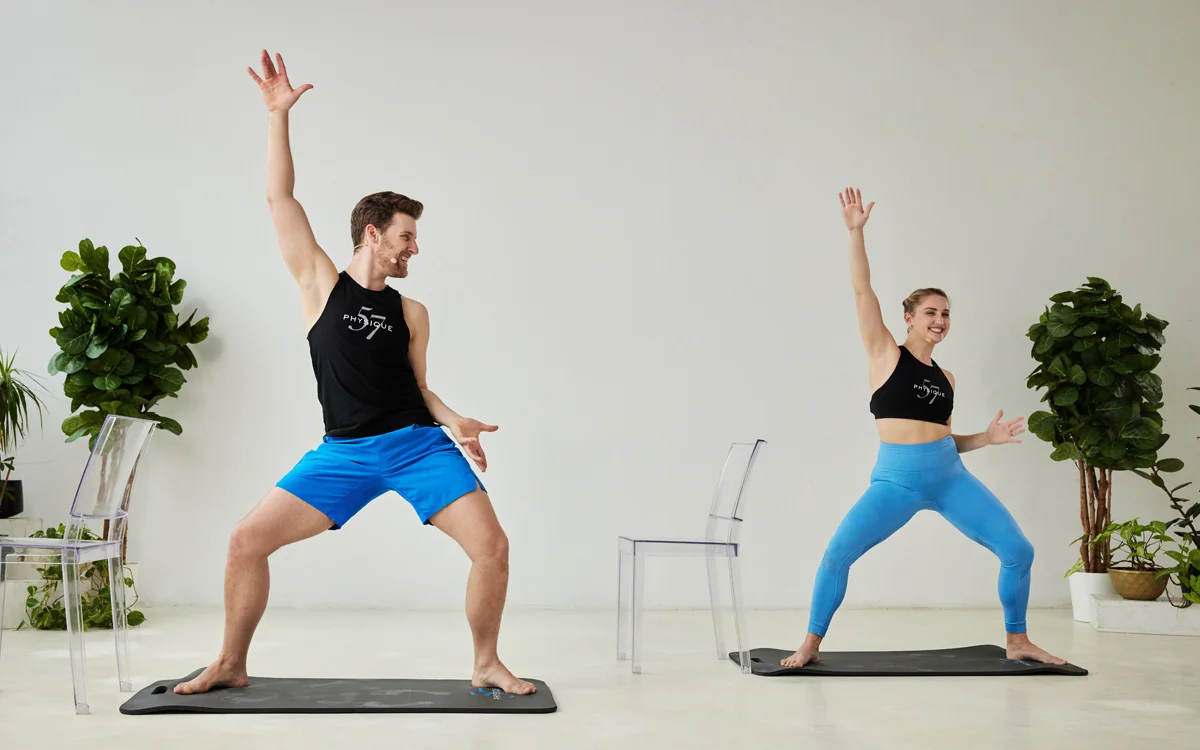
Attending dance or cardio classes can be time-consuming, costly, or intimidating for beginners. Designing your own workout at home is a flexible solution that addresses these barriers. It allows you to tailor the routine to your fitness level and musical preferences while fitting conveniently into your schedule. Additionally, a home workout eliminates worries about gym crowds or transportation, making consistency easier to achieve.
Essential Preparations Before Starting
Choosing the Perfect Space
One common obstacle when starting a home workout is not having an appropriate space. A cramped or cluttered area can hinder movements and increase the risk of injury. To overcome this, select a room with enough floor space to move freely, ideally with a non-slip surface. Good ventilation and lighting also contribute to a more pleasant and safe exercise environment, encouraging regular practice.
Gathering Necessary Equipment and Music
Without the right equipment or music, even the best choreography can fall flat. While dance cardio workouts typically require minimal gear, comfortable workout clothes and supportive shoes will protect your body. Music is the heartbeat of the routine; choosing playlists with the right tempo motivates consistent movement. Preparing a playlist beforehand avoids interruptions during the workout, helping maintain momentum.
Creating Your Dance Cardio Routine
Selecting Dance Styles
Choosing dance styles can be daunting, especially with so many options available. Selecting styles that you enjoy or wish to explore keeps the workout exciting. From salsa and hip-hop to jazz or even Zumba, the key is to pick dance moves that elevate your heart rate while feeling natural to you. Incorporating diverse styles prevents boredom and challenges different muscle groups effectively.
Structuring Warm-Up and Cool-Down Phases
Skipping warm-up and cool-down phases is a mistake that leads to stiffness or injury. A proper warm-up prepares your muscles and joints by gradually increasing your heart rate through gentle dance moves or dynamic stretches. Similarly, the cool-down phase brings your body back to a resting state, improving recovery and flexibility through slower, calming movements and targeted stretches. This structure enhances workout safety and effectiveness.
Building Intensity Progressively
Another problem is starting too intensely, which can cause exhaustion or injury, discouraging continuation. Instead, build intensity progressively by starting with moderate moves and gradually increasing speed and complexity. Monitoring your exertion allows you to push just enough to improve fitness without overdoing it. This approach fosters sustainable progress and enjoyment in your dance cardio journey.
Design Tips for Maximizing Fun and Effectiveness
Incorporating Variety and Creativity
Monotony is a common pitfall that reduces workout enjoyment and adherence. To combat this, infuse variety and creativity by mixing different dance moves, experimenting with new rhythms, or adding playful elements like freestyle segments. This keeps the mind engaged and muscles challenged. Creative expression during the workout also deepens the connection to the movements, making exercise genuinely enjoyable.
Using Visual and Audio Cues to Stay Motivated
Staying motivated can wane without external prompts. Visual and audio cues help maintain focus and energy levels. For instance, using mirrors enables you to check form and boost confidence. Moreover, timed music beats serve as natural pace setters, encouraging consistent movement. Incorporating motivational voice prompts or countdowns can push you through tougher segments, ensuring you complete the planned workout.
Sample 30-Minute Dance Cardio Workout Plan
Step 1: Warm-Up Moves
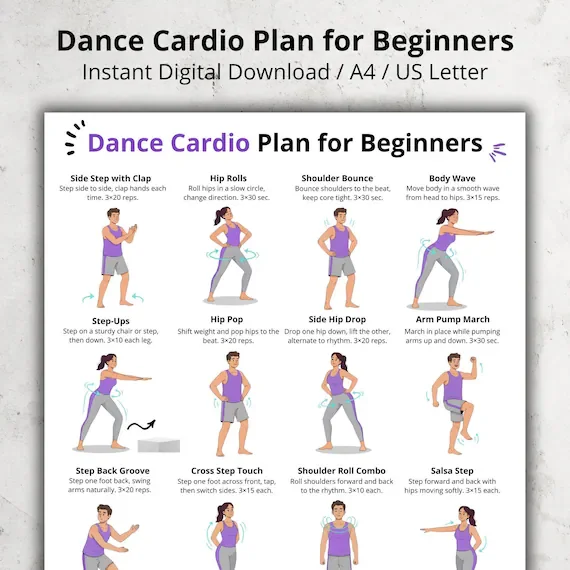
Start with five minutes of light dancing to upbeat but slower songs. Focus on simple steps like side steps, gentle twists, and shoulder rolls. This not only warms the muscles but also gets your body in the rhythm, mentally preparing you for the more intense phase ahead.
Step 2: Main Dance Cardio Segment
Spend the next 20 minutes alternating between dance styles such as salsa and hip-hop. Begin with basic sequences and progressively add faster footwork or arm movements to raise your heart rate. Include short bursts of more vigorous moves interspersed with moderate-paced dancing to maintain energy. Choose songs that inspire you and keep your enthusiasm high.
Step 3: Cool-Down and Stretching
Conclude with five minutes of slower, flowing dance combined with static stretches targeting large muscle groups like calves, hamstrings, and shoulders. This phase helps reduce muscle tightness and lowers your heart rate safely, aiding recovery and increasing flexibility for future workouts.
Tracking Progress and Staying Consistent
Setting Goals and Milestones
One reason people stop their fitness routines is the absence of clear goals. Set achievable milestones such as dancing continuously for 10 minutes or mastering a new dance move. Tracking progress can be as simple as maintaining a journal or using an app to log workouts and feelings. Celebrating small successes keeps motivation alive and drives you to push further.
Adjusting the Routine Over Time
Over time, your fitness level and interests will evolve, so sticking rigidly to the same routine can lead to plateaus or boredom. Regularly reassessing and tweaking your dance cardio workout ensures it remains challenging and enjoyable. This may involve incorporating new dance styles, increasing session duration, or adding strength components. Flexibility in your plan promotes long-term adherence and continued fitness gains.


