
Understanding Mental Blocks in Outdoor Fitness
Definition and Types of Mental Blocks
Mental blocks are psychological barriers that hinder performance, motivation, or progress during physical activities. In outdoor fitness challenges, these blocks manifest as sudden feelings of doubt, fear, or mental exhaustion. They can take many forms, including fear of failure, lack of confidence, or overwhelming stress, each impacting a person’s ability to push through physical limits.
How Outdoor Environments Influence Mental Barriers
The outdoor setting introduces unique variables that can intensify mental blocks. Unpredictable weather, uneven terrain, or unfamiliar surroundings may contribute to stress and anxiety. Unlike controlled indoor environments, nature demands adaptability, which can overwhelm and increase mental resistance if not anticipated. Understanding this influence helps participants prepare both physically and mentally for challenges.
Common Mental Blocks Encountered
Fear of Failure and Performance Anxiety
Many outdoor fitness enthusiasts face fear of failure before and during events. This anxiety can freeze progress, causing hesitation or avoidance. Performance pressure, whether self-imposed or from others, often exacerbates these feelings, leading to increased mental strain and physical setbacks.
Lack of Motivation and Mental Fatigue
Extended outdoor activities require sustained energy and focus. Mental fatigue diminishes enthusiasm and drive, making it difficult to maintain momentum. The challenge becomes not just physical endurance but also a test of mental stamina and motivation.
Environmental Distractions and Stressors
Outdoor fitness is subject to various distractions such as noise, crowds, or changing weather. These stressors can derail concentration, leading to frustration and mental fatigue. Recognizing their impact allows for better strategies to maintain mental clarity.
Pre-Challenge Preparation Techniques
Visualization and Positive Affirmations
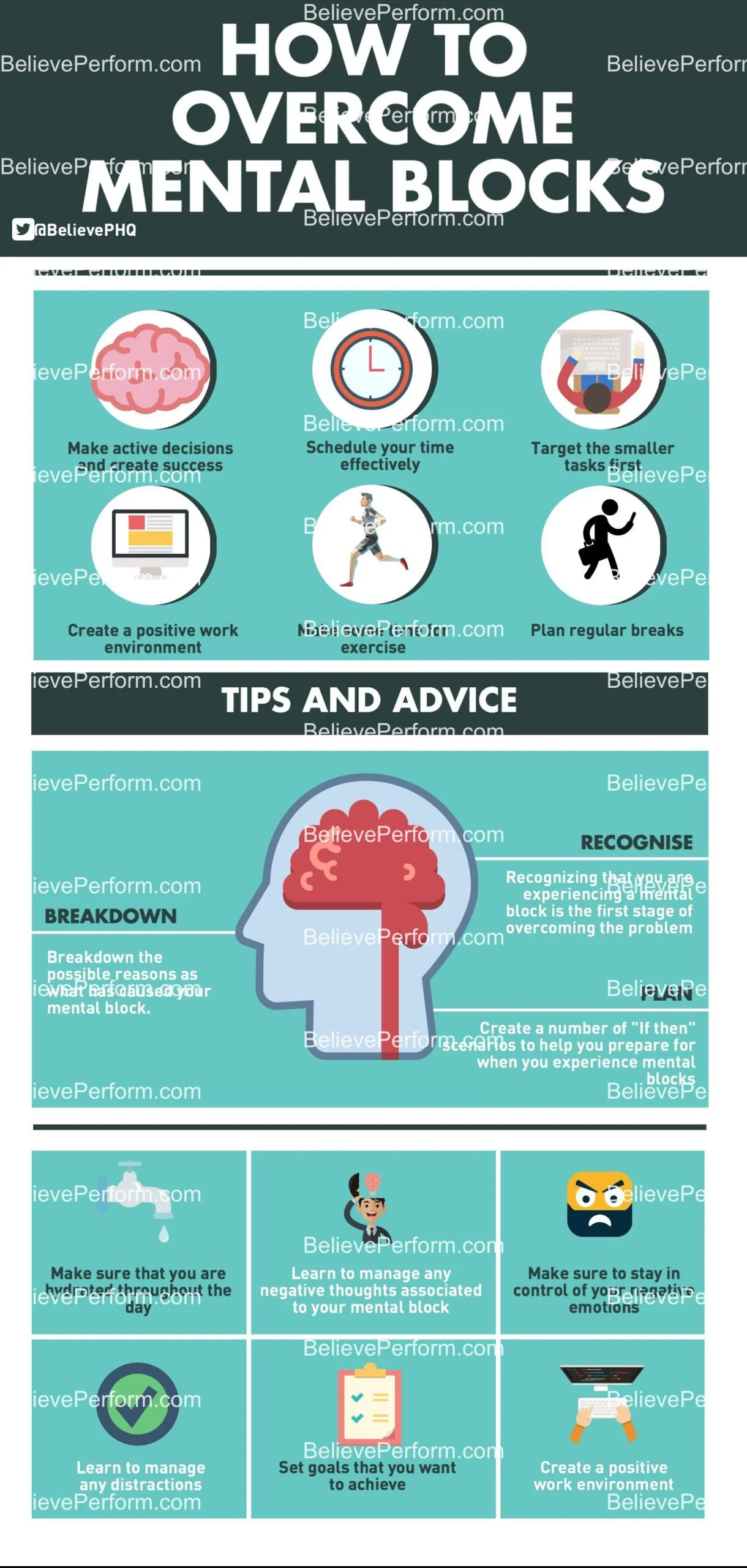
Preparing mentally begins with visualization—imagining success and the steps needed to reach it. This practice builds confidence and reduces anxiety. Coupled with positive affirmations, it helps create a mindset focused on achievement rather than potential failure.
Setting Realistic and Progressive Goals
Establishing attainable objectives is crucial. Breaking down larger goals into smaller milestones keeps motivation high and reduces overwhelm. Progressively increasing difficulty ensures steady improvement without triggering discouragement or burnout.
Incorporating Mindfulness and Breathing Exercises
Mindfulness techniques promote present-moment awareness, allowing participants to manage stress more effectively. Controlled breathing exercises are powerful tools to calm the mind, regulate emotions, and improve focus, especially before and during challenging moments.
On-the-Spot Strategies During Outdoor Challenges
Breaking Down Goals into Small, Manageable Steps
During the challenge, large tasks can seem intimidating. Segmenting the challenge into smaller, achievable steps provides a sense of control and progress. This approach reduces overwhelm and keeps mental energy directed toward immediate actions rather than distant outcomes.
Using Focus Anchors to Redirect Negative Thoughts
Focus anchors—such as a mantra, a physical gesture, or concentrating on the rhythm of breathing—help shift attention away from negativity. These anchors act as mental reset points, allowing participants to regain composure and maintain a positive mindset amidst difficulty.
Leveraging Social Support and Team Encouragement
Having teammates or supporters nearby can greatly reduce mental blocks. Verbal encouragement, shared effort, and positive social interaction boost morale and provide external motivation, transforming challenges into cooperative achievements.
Post-Challenge Reflection and Growth
Analyzing What Worked and What Didn’t
After completing the challenge, reflecting on the mental and physical experience is essential. Identifying strategies that helped maintain focus and those that fell short fosters self-awareness. This insight guides improvements for future challenges and strengthens mental preparation.
Building Mental Resilience for Future Events
Growth comes from understanding setbacks and successes alike. Developing mental resilience involves embracing challenges, learning from difficulties, and reinforcing positive habits. Over time, this resilience becomes a foundation that helps overcome increasingly complex outdoor fitness obstacles with confidence.


