
Understanding the Urgency: Why Everything Feels Like a Priority
The Psychological Impact of Constant Urgency
When everything on your to-do list shouts for attention, it’s easy to feel trapped in a whirlwind of urgency. This constant pressure triggers stress responses in the brain, making it challenging to think clearly or act decisively. The sensation that every task is urgent can create anxiety, reduce productivity, and even lead to burnout if left unchecked. Recognizing this psychological toll is the first step toward regaining control over your workload.
Common Causes of Task Overwhelm in Daily Life
Often, the feeling that every task is urgent stems from a few common culprits. It might be a lack of clear goals, leading to a scattered sense of priorities. Multitasking without a plan can also blur the lines between what’s truly urgent and what simply demands attention. Additionally, unexpected interruptions and last-minute requests pile up, amplifying the sense that there aren’t enough hours in the day. Understanding these causes helps us pinpoint where to intervene and create better task management habits.
Identifying What Truly Matters: Task Evaluation Techniques
Using the Eisenhower Matrix to Categorize Tasks
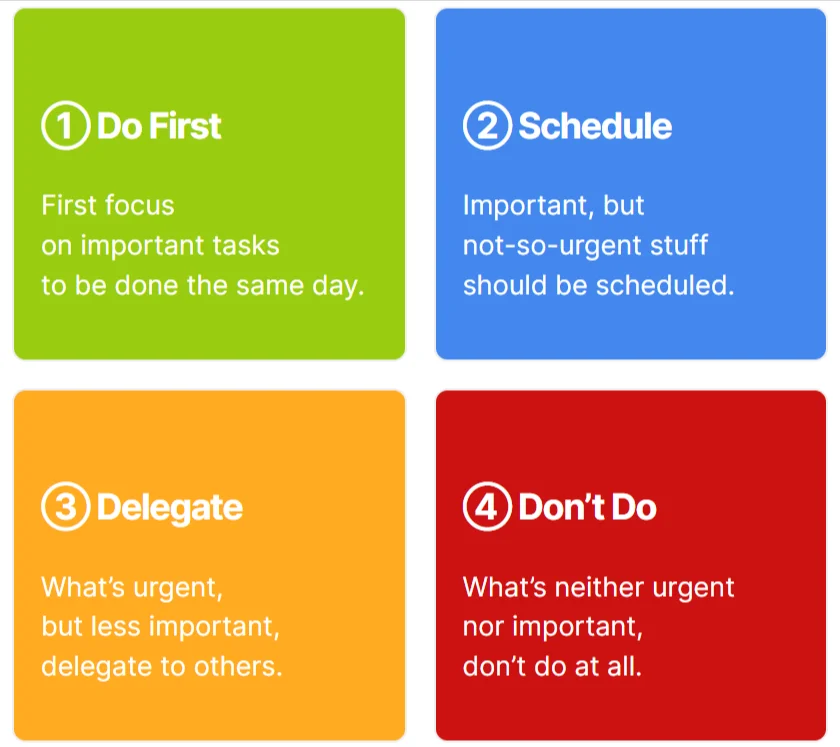
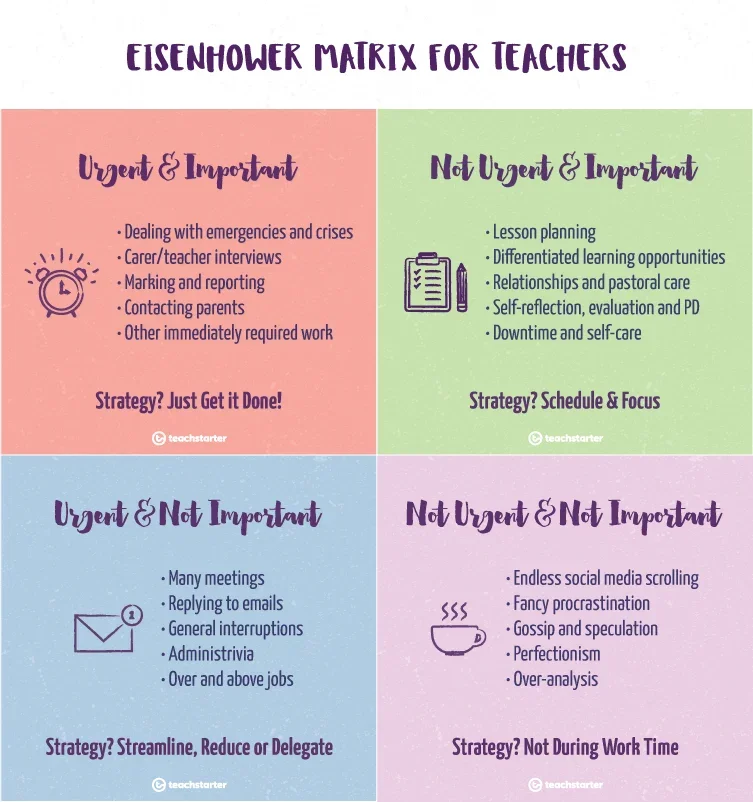
One of the most effective ways to cut through the noise is by applying the Eisenhower Matrix. This method divides tasks into four categories based on urgency and importance: urgent and important, important but not urgent, urgent but not important, and neither urgent nor important. It pushes you to prioritize tasks that really impact your goals while recognizing which things can be delegated or eliminated. Instead of reacting to every incoming demand, this technique guides you to focus on what truly moves the needle.
Applying the 80/20 Rule (Pareto Principle) to Your To-Do List
The Pareto Principle suggests that roughly 80% of results come from 20% of efforts. When everything seems urgent, it helps to identify the small fraction of your tasks that generate the most significant outcomes. This perspective urges you to hone in on what yields real progress instead of spreading your energy thin. By prioritizing that vital 20%, you can achieve more meaningful results with less stress.
Practical Methods to Prioritize Under Pressure
Time-Blocking for Focused Work Periods
Time-blocking is a simple yet powerful strategy to reclaim focus. By scheduling dedicated chunks of time to specific tasks, you protect those periods from distractions and multitasking. This approach creates structure in your day and reduces the feeling of chaos. When you assign realistic time frames to your most critical work, it becomes easier to resist the urge to jump between tasks and get stuck in reactive mode.
Setting Realistic Deadlines to Prevent Overwhelm
Deadlines are crucial for accountability, but unrealistic ones breed anxiety. When everything feels urgent, it’s tempting to squeeze every task into a tight timeframe. Instead, try setting deadlines that are challenging yet achievable. This not only helps you pace yourself but also brings clarity about which tasks need immediate attention and which can wait. Being honest about how long tasks take can prevent unnecessary stress and improve overall output.
The Role of Delegation in Task Management
Delegation is often overlooked when deadlines loom. Yet, sharing responsibilities can be a game-changer in managing urgency. Identifying tasks that others can handle empowers you to concentrate on what requires your unique skills or authority. Delegation also builds trust and fosters teamwork, which ultimately lightens your load and helps maintain a balanced workflow.
Tools and Apps to Simplify Priority Setting
Top Digital Tools for Task Prioritization
In today’s digital age, several intuitive tools make prioritizing easier. Apps like Todoist, Trello, and Asana offer ways to organize tasks by urgency and importance, track progress, and set reminders. These platforms allow you to visualize your workload, which can reduce overwhelm by breaking big projects into manageable steps. Many also include collaboration features, which are ideal when working with teams, making delegation seamless.
How to Customize Your Workflow with Task Managers
Not every tool fits every person’s style. Customizing your task manager to reflect your priorities, preferred layout, and notification settings is essential for staying organized. Whether it’s color-coding tasks, tagging based on priority levels, or integrating calendars, the key is to create a system that feels natural and motivates you to follow through. With a personalized workflow, prioritization becomes an intuitive part of your daily routine rather than a chore.
Maintaining Priority Focus When New Urgent Tasks Arise
Strategies for Reassessing and Adjusting Priorities
Urgency is fluid; new tasks can pop up unexpectedly. It’s critical to regularly reassess your priorities instead of sticking rigidly to a plan that no longer fits. Pausing to evaluate how new tasks compare to your existing commitments helps avoid unnecessary crises. Sometimes this means pushing less critical tasks back, or even dropping some altogether. Being flexible with your priorities allows you to respond effectively without losing sight of your main objectives.
Building Flexibility Into Your Schedule Without Losing Control
Flexibility doesn’t mean chaos. By intentionally allocating buffer time in your schedule, you prepare yourself to handle surprise demands without derailing your entire day. This approach helps maintain momentum and reduces the pressure to react impulsively. It also encourages a mindset where adjustments are expected but managed thoughtfully, preserving your sense of control while adapting to shifting needs.
Conclusion: Creating Sustainable Habits to Manage Urgency Efficiently
When every task feels urgent, prioritizing can seem impossible. But with simple strategies like evaluating what truly matters, structuring your time thoughtfully, and embracing flexibility, you can restore calm amid the pressure. Avoiding common pitfalls such as unrealistic deadlines or neglecting delegation further supports a healthy workflow. Over time, these practices become habits that protect your productivity and well-being, allowing you to handle urgency with confidence instead of stress.


